मसुदा भाषांतर. मातृभाषी ख्रिस्ती लोकांच्या सुधारणा स्वागत आहेत. वचनाचा मजकूर KJV (इंग्रजी) मध्ये राहतो.
लेवीय 3 — शांत्यर्पण — देवाशी सहभागिता
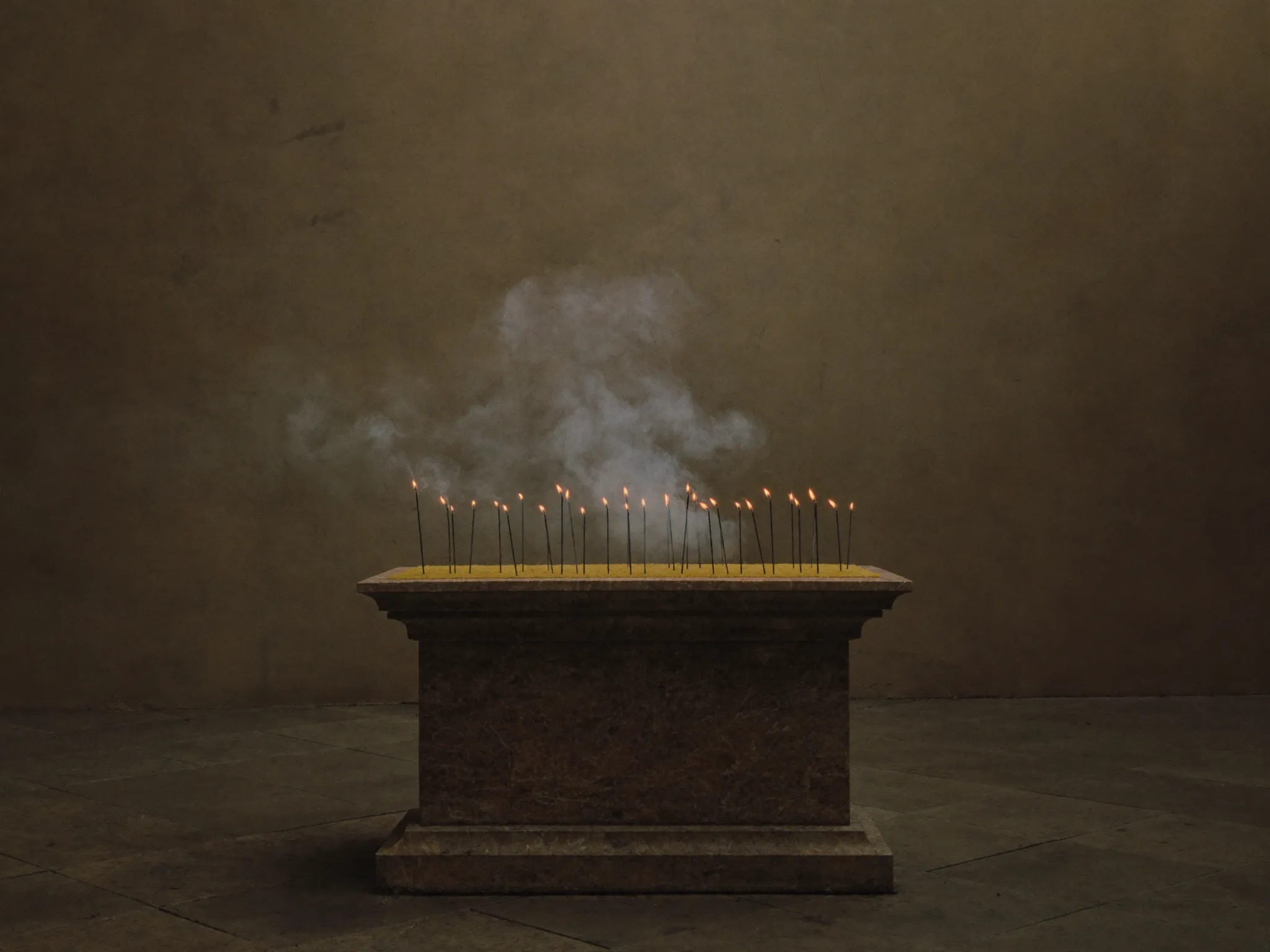
शांत्यर्पण — नर किंवा मादी, गुरांढोरांतून किंवा शेरडामेंढरांतून. चरबी देवाचा वाटा म्हणून वेदीवर जाळली जात असे. ऊर आणि उजवी मांडी याजकांची असे. उरलेले अर्पण करणारा आपल्या कुटुंबासह खात असे. देव, याजक आणि उपासक यांनी एकाच पंगतीत वाटून घेतलेले हे एकमेव अर्पण. प्रायश्चित्ताद्वारे मिळणाऱ्या सहभागितेचे एक चित्र.
“मग याजकाने त्या सर्वाचा वेदीवर होम करावा; हे शांत्यर्पण अग्नीद्वारे परमेश्वरास केलेले अर्पण आहे.”
— लेवीय 3:11
- v.1-5 गुरांढोरांचे शांत्यर्पण
- v.6-11 कोकराचे शांत्यर्पण
- v.12-17 बकऱ्याचे शांत्यर्पण; चरबी व रक्त यांची मनाई
चरबी. इब्री विचारसरणीत चरबी हा सर्वोत्तम भाग होता — सर्वांत समृद्ध, सर्वांत चविष्ट, सर्वांत मौल्यवान. ती केवळ देवाची होती. उपासकाने मांस ठेवले; देवाने चरबी स्वीकारली.
तत्त्व असे: देव सर्वोत्तम स्वीकारतो, उरलेसुरले नव्हे. शांत्यर्पणातून वाटून खाण्याचे अन्न निर्माण होई — पण देवाचा वाटा सर्वांत उत्कृष्ट असे. आधुनिक उपासना कधीकधी हे उलटे करते. आपल्या स्वतःच्या सुखांमागे धावून झाल्यावर जे उरते ते आपण देवाला देतो.
इंग्रजी (KJV) पाठात अर्पणाचे अन्न असे म्हटले आहे. धाडसी भाषा. वेदीवर जाळलेल्या चरबीला देवाचे अन्न म्हटले आहे. हे मानवी रूपकात्मक वर्णन आहे, पण मुद्दा खरा आहे — देव आपल्या लोकांच्या अर्पणांत आनंद पावतो.
नव्या करारातील विश्वासणाऱ्यासाठी इब्री लोकांस पत्र 13:15-16 याची आत्मिक समतुल्य रूपे सांगते: ओठांचे फळ असा स्तुतीचा यज्ञ आपण येशूद्वारे देवाला नित्य अर्पण करावा... इतरांसाठी चांगले ते करण्यास आणि दानधर्म करण्यास विसरू नका कारण अशा अर्पणाने देवाला संतोष होतो.
इस्राएलासाठी दोन मनाया — चरबी नाही (ती देवाची होती) आणि रक्त नाही (ते जीवन आणि प्रायश्चित्त यांचे प्रतिनिधित्व करत असे, लेवीय 17:11).
चरबीची मनाई विशेषकरून इस्राएलापुरती होती. रक्ताची मनाई नव्या करारापर्यंत पोहोचते — परराष्ट्रीय विश्वासणाऱ्यांच्या मूलभूत बांधिलकीचा भाग म्हणून प्रेषितांची कृत्ये 15:20 ती पुन्हा सांगते. ही तत्त्वे वेगवेगळ्या करारांमधून वेगवेगळ्या प्रकारे प्रवाहित होतात.
वधस्तंभाद्वारे विश्वासणारा देवाबरोबर अनुभवत असलेल्या सहभागितेचे — आणि त्या सहभागितेच्या किंमतीचे — चित्र शांत्यर्पण दाखवते. देव आपला वाटा स्वीकारतो (चरबी — तुमचे सर्वोत्तम, उरलेसुरले नव्हे). याजकीय सेवकांचे पोषण होते (ऊर आणि मांडी — सुवार्तेत पुढाकार घेणारे पाठिंब्यास पात्र आहेत). आणि उपासक देवाच्या कुटुंबासह जेवतो. शांत्यर्पणाच्या या तिन्ही बाजू तुम्ही जगत आहात का? त्याला तुमचे सर्वोत्तम देणे, सेवा करणाऱ्यांचे पोषण करणे, त्याच्या पंगतीभोवतीची सहभागिता?
ख्रिस्त हे महान शांत्यर्पण आहेत. त्याच्या वधस्तंभाच्या रक्ताद्वारे शांती करून (कलस्सैकरांस पत्र 1:20). आणि प्रभूभोजन शांत्यर्पणाचा नमुना पुढे चालवते — एकाच पंगतीत वाटून घेतलेली भाकर आणि प्याला, देव उपस्थित, त्याचे लोक बलिदानाद्वारे त्याच्याशी सहभागिता करतात. जुन्या करारातील शांत्यर्पण अशाच प्रकारच्या पंगतीत खाल्ले जात असे; नव्या करारातील पवित्र जन, ज्याची पूर्वछाया दाखवली गेली त्या वास्तवाशी बसतो.
या पानावरील तुमच्या भाषेतील पवित्र शास्त्राचा मजकूर: इंडियन रिव्हाइज्ड व्हर्जन (IRV), © 2017, 2019 ब्रिज कनेक्टिव्हिटी सोल्युशन्स — कोणताही बदल न करता या परवान्याअंतर्गत वापरलेला: CC BY-SA 4.0 · eBible.org
शांत्यर्पण — इब्री शेलेम, शालोम याच्याशी संबंधित. देव आणि उपासक यांच्यात शांती प्रस्थापित करणारे आणि सहभागिता निर्माण करणारे अर्पण.
नर किंवा मादी — होमार्पणापेक्षा (केवळ नर) वेगळे. शांत्यर्पणाला अधिक व्यापक मुभा होती. देवाशी असलेल्या नात्याचे वेगवेगळे पैलू वेगवेगळ्या प्रकारच्या अर्पणांना वाव देतात.