ಕರಡು ಅನುವಾದ. ಮಾತೃಭಾಷಾ ಕ್ರೈಸ್ತರ ತಿದ್ದುಪಡಿಗಳಿಗೆ ಸ್ವಾಗತ. ವಚನ ಪಠ್ಯ KJV (ಇಂಗ್ಲಿಷ್)ನಲ್ಲಿರುತ್ತದೆ.
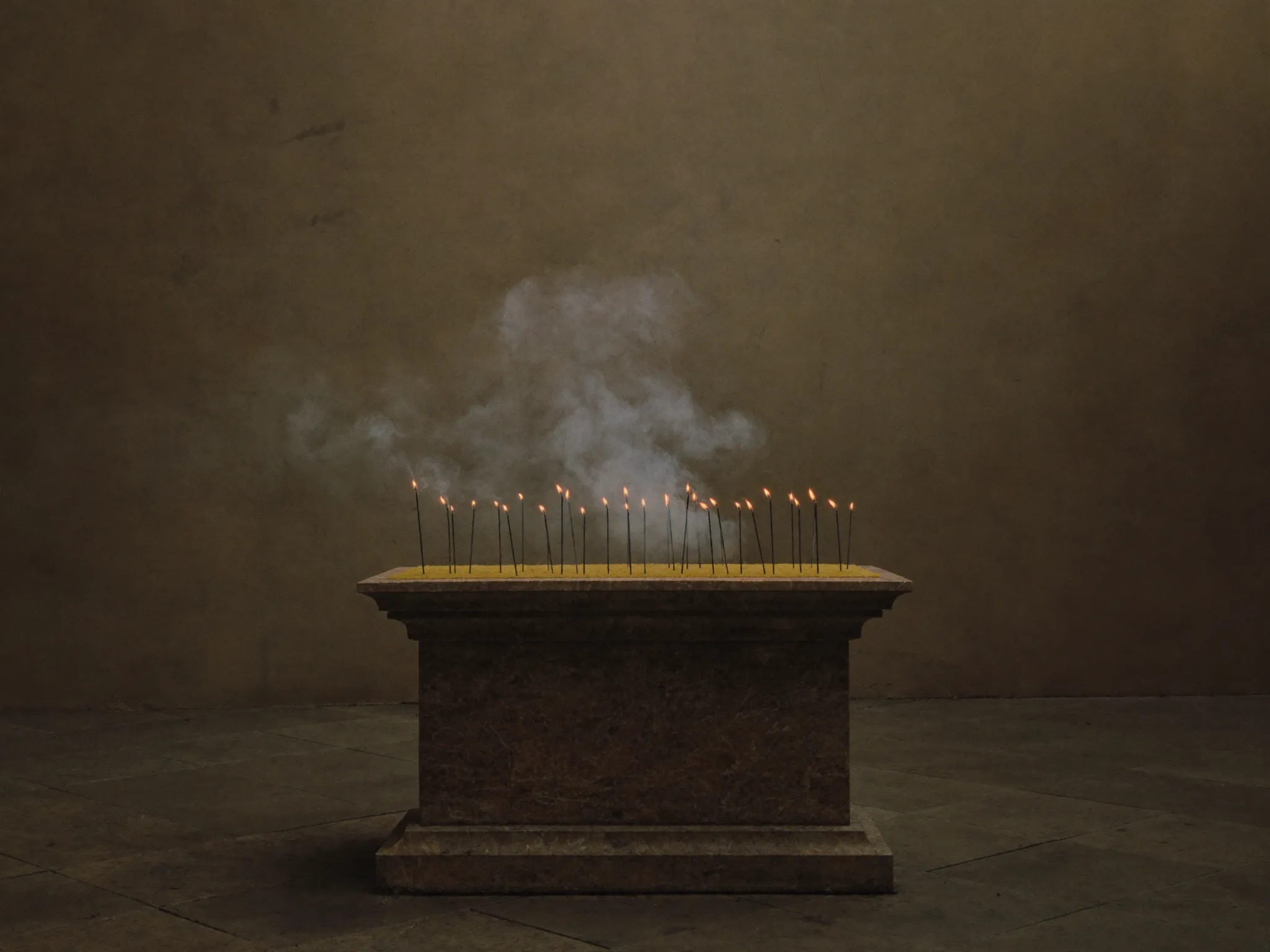
ಯಾಜಕಕಾಂಡ 3 — ಸಮಾಧಾನಯಜ್ಞ — ದೇವರೊಂದಿಗೆ ಅನ್ಯೋನ್ಯತೆ
ಸಮಾಧಾನಯಜ್ಞ — ಗಂಡಾಗಲಿ ಹೆಣ್ಣಾಗಲಿ, ದನಗಳಿಂದಾಗಲಿ ಕುರಿಮೇಕೆಗಳಿಂದಾಗಲಿ. ಕೊಬ್ಬನ್ನು ದೇವರ ಪಾಲಾಗಿ ಯಜ್ಞವೇದಿಯ ಮೇಲೆ ಹೋಮಮಾಡಲಾಯಿತು. ಎದೆಯ ಭಾಗವೂ ಬಲಗಡೆಯ ತೊಡೆಯೂ ಯಾಜಕರಿಗೆ ಸೇರಿದ್ದವು. ಉಳಿದದ್ದನ್ನು ಸಮರ್ಪಿಸಿದವನು ತನ್ನ ಕುಟುಂಬದೊಂದಿಗೆ ತಿನ್ನುತ್ತಿದ್ದನು. ದೇವರು, ಯಾಜಕರು ಮತ್ತು ಆರಾಧಕನು ಒಂದೇ ಪಂಕ್ತಿಯಲ್ಲಿ ಹಂಚಿಕೊಳ್ಳುವ ಏಕೈಕ ಯಜ್ಞ. ದೋಷಪರಿಹಾರದ ಮೂಲಕ ಉಂಟಾಗುವ ಅನ್ಯೋನ್ಯತೆಯ ಒಂದು ಚಿತ್ರ.
“ಯಾಜಕನು ಯಜ್ಞವೇದಿಯ ಮೇಲೆ ಅವುಗಳನ್ನು ಹೋಮಮಾಡಬೇಕು. ಅದು ಯೆಹೋವನಿಗೆ ಅಗ್ನಿಯ ಮೂಲಕವಾಗಿ ಅರ್ಪಿಸಿದ ಆಹಾರವಾಗುವುದು.”
— ಯಾಜಕಕಾಂಡ 3:11
- v.1-5 ದನಗಳಿಂದ ಸಮಾಧಾನಯಜ್ಞ
- v.6-11 ಕುರಿಮರಿಯ ಸಮಾಧಾನಯಜ್ಞ
- v.12-17 ಆಡಿನ ಸಮಾಧಾನಯಜ್ಞ; ಕೊಬ್ಬು ಮತ್ತು ರಕ್ತದ ನಿಷೇಧ
ಕೊಬ್ಬು. ಹೀಬ್ರೂ ಚಿಂತನೆಯಲ್ಲಿ ಕೊಬ್ಬು ಅತ್ಯುತ್ತಮ ಭಾಗವಾಗಿತ್ತು — ಅತಿ ಸಮೃದ್ಧವಾದದ್ದು, ಅತಿ ರುಚಿಯಾದದ್ದು, ಅತಿ ಬೆಲೆಬಾಳುವಂಥದ್ದು. ಅದು ದೇವರಿಗೆ ಮಾತ್ರ ಸೇರಿತ್ತು. ಆರಾಧಕನು ಮಾಂಸವನ್ನು ಇಟ್ಟುಕೊಂಡನು; ದೇವರು ಕೊಬ್ಬನ್ನು ಸ್ವೀಕರಿಸಿದನು.
ತತ್ವ ಇದು: ದೇವರು ಸ್ವೀಕರಿಸುವುದು ಅತ್ಯುತ್ತಮವಾದದ್ದನ್ನು, ಉಳಿದ ಎಂಜಲನ್ನಲ್ಲ. ಸಮಾಧಾನಯಜ್ಞವು ಹಂಚಿಕೊಳ್ಳುವ ಆಹಾರವನ್ನು ಉಂಟುಮಾಡಿತು — ಆದರೆ ದೇವರ ಪಾಲು ಅತಿ ಶ್ರೇಷ್ಠವಾದದ್ದಾಗಿತ್ತು. ಆಧುನಿಕ ಆರಾಧನೆ ಕೆಲವೊಮ್ಮೆ ಇದನ್ನು ತಲೆಕೆಳಗು ಮಾಡುತ್ತದೆ. ನಮ್ಮ ಸ್ವಂತ ಸುಖಗಳನ್ನು ಬೆನ್ನಟ್ಟಿದ ಮೇಲೆ ಉಳಿದದ್ದನ್ನು ನಾವು ದೇವರಿಗೆ ಕೊಡುತ್ತೇವೆ.
ಅಗ್ನಿಯ ಮೂಲಕವಾಗಿ ಅರ್ಪಿಸಿದ ಆಹಾರ. ಧೈರ್ಯದ ಭಾಷೆ. ಯಜ್ಞವೇದಿಯ ಮೇಲೆ ಹೋಮಮಾಡಿದ ಕೊಬ್ಬನ್ನು ದೇವರ ಆಹಾರವೆಂದು ಕರೆಯಲಾಗಿದೆ. ಇದು ಮಾನವರೂಪದ ವರ್ಣನೆ, ಆದರೆ ಅದರ ಅರ್ಥ ನಿಜವಾದದ್ದು — ದೇವರು ತನ್ನ ಜನರ ಅರ್ಪಣೆಗಳಲ್ಲಿ ಸಂತೋಷಪಡುತ್ತಾನೆ.
ಹೊಸ ಒಡಂಬಡಿಕೆಯ ವಿಶ್ವಾಸಿಗೆ, ಇಬ್ರಿಯರಿಗೆ 13:15-16 ಆತ್ಮಿಕ ಸಮಾನಾರ್ಥಕಗಳನ್ನು ಹೆಸರಿಸುತ್ತದೆ: ದೇವರಿಗೆ ಸ್ತೋತ್ರವೆಂಬ ಯಜ್ಞವನ್ನು ಎಡೆಬಿಡದೆ ಸಮರ್ಪಿಸೋಣ... ಪರೋಪಕಾರ ಮಾಡುವುದನ್ನು, ಬೇರೆಯವರಿಗೆ ಸಹಾಯ ಮಾಡುವುದನ್ನು ಮರೆಯಬೇಡಿರಿ. ಇವೇ ದೇವರಿಗೆ ಮೆಚ್ಚಿಕೆಯಾದ ಯಜ್ಞಗಳು.
ಇಸ್ರಾಯೇಲರಿಗೆ ಎರಡು ನಿಷೇಧಗಳು — ಕೊಬ್ಬು ತಿನ್ನಬಾರದು (ಅದು ದೇವರಿಗೆ ಸೇರಿತ್ತು) ಮತ್ತು ರಕ್ತ ತಿನ್ನಬಾರದು (ಅದು ಪ್ರಾಣವನ್ನೂ ದೋಷಪರಿಹಾರವನ್ನೂ ಸೂಚಿಸುತ್ತಿತ್ತು, ಯಾಜಕಕಾಂಡ 17:11).
ಕೊಬ್ಬಿನ ನಿಷೇಧವು ವಿಶೇಷವಾಗಿ ಇಸ್ರಾಯೇಲರಿಗೆ ಸಂಬಂಧಿಸಿದ್ದು. ರಕ್ತದ ನಿಷೇಧವು ಹೊಸ ಒಡಂಬಡಿಕೆಯವರೆಗೂ ತಲುಪುತ್ತದೆ — ಅನ್ಯಜನರಿಂದ ಬಂದ ವಿಶ್ವಾಸಿಗಳ ಮೂಲಭೂತ ಬದ್ಧತೆಗಳ ಭಾಗವಾಗಿ ಅಪೊಸ್ತಲರ ಕೃತ್ಯಗಳು 15:20 ಅದನ್ನು ಪುನರುಚ್ಚರಿಸುತ್ತದೆ. ತತ್ವಗಳು ಬೇರೆ ಬೇರೆ ಒಡಂಬಡಿಕೆಗಳ ಮೂಲಕ ಬೇರೆ ಬೇರೆ ರೀತಿಯಲ್ಲಿ ಹರಿಯುತ್ತವೆ.
ಶಿಲುಬೆಯ ಮೂಲಕ ವಿಶ್ವಾಸಿಯು ದೇವರೊಂದಿಗೆ ಅನುಭವಿಸುವ ಅನ್ಯೋನ್ಯತೆಯನ್ನು — ಮತ್ತು ಆ ಅನ್ಯೋನ್ಯತೆಯ ಬೆಲೆಯನ್ನು — ಸಮಾಧಾನಯಜ್ಞವು ಚಿತ್ರಿಸುತ್ತದೆ. ದೇವರು ತನ್ನ ಪಾಲನ್ನು ಸ್ವೀಕರಿಸುತ್ತಾನೆ (ಕೊಬ್ಬು — ನಿನ್ನ ಅತ್ಯುತ್ತಮವಾದದ್ದು, ಉಳಿದದ್ದಲ್ಲ). ಯಾಜಕ ಸೇವಕರು ಪೋಷಿಸಲ್ಪಡುತ್ತಾರೆ (ಎದೆ ಮತ್ತು ತೊಡೆ — ಸುವಾರ್ತೆಯಲ್ಲಿ ಮುನ್ನಡೆಸುವವರು ಬೆಂಬಲಕ್ಕೆ ಯೋಗ್ಯರು). ಮತ್ತು ಆರಾಧಕನು ದೇವರ ಕುಟುಂಬದೊಂದಿಗೆ ಊಟಮಾಡುತ್ತಾನೆ. ಸಮಾಧಾನಯಜ್ಞದ ಈ ಮೂರೂ ಮುಖಗಳನ್ನು ನೀನು ಜೀವಿಸುತ್ತಿದ್ದೀಯೋ? ನಿನ್ನ ಅತ್ಯುತ್ತಮವಾದದ್ದನ್ನು ಆತನಿಗೆ ಕೊಡುವುದು, ಸೇವೆಮಾಡುವವರನ್ನು ಪೋಷಿಸುವುದು, ಆತನ ಪಂಕ್ತಿಯ ಸುತ್ತ ಅನ್ಯೋನ್ಯತೆ?
ಕ್ರಿಸ್ತನೇ ಮಹಾ ಸಮಾಧಾನಯಜ್ಞ. ಆತನು ಶಿಲುಬೆಯ ಮೇಲೆ ಸುರಿಸಿದ ರಕ್ತದಿಂದ ತಾನು ಸಮಾಧಾನವನ್ನುಂಟುಮಾಡಿ (ಕೊಲೊಸ್ಸೆಯವರಿಗೆ 1:20). ಕರ್ತನ ಭೋಜನವು ಸಮಾಧಾನಯಜ್ಞದ ಮಾದರಿಯನ್ನು ಮುಂದುವರಿಸುತ್ತದೆ — ಒಂದೇ ಪಂಕ್ತಿಯಲ್ಲಿ ಹಂಚಿಕೊಳ್ಳುವ ರೊಟ್ಟಿ ಮತ್ತು ಪಾತ್ರೆ, ದೇವರು ಸನ್ನಿಹಿತನಾಗಿದ್ದಾನೆ, ಆತನ ಜನರು ಯಜ್ಞದ ಮೂಲಕ ಆತನೊಂದಿಗೆ ಅನ್ಯೋನ್ಯತೆಯಲ್ಲಿದ್ದಾರೆ. ಹಳೆಯ ಒಡಂಬಡಿಕೆಯ ಸಮಾಧಾನಯಜ್ಞವು ಇದೇ ರೀತಿಯ ಪಂಕ್ತಿಯಲ್ಲಿ ಊಟಮಾಡಿತು; ಹೊಸ ಒಡಂಬಡಿಕೆಯ ಭಕ್ತನು ಮುಂಚಿತ್ರಿಸಲ್ಪಟ್ಟದ್ದರ ವಾಸ್ತವದ ಬಳಿ ಕುಳಿತುಕೊಳ್ಳುತ್ತಾನೆ.
ಈ ಪುಟದಲ್ಲಿ ನಿಮ್ಮ ಭಾಷೆಯ ಶಾಸ್ತ್ರಪಾಠ: ಇಂಡಿಯನ್ ರಿವೈಸ್ಡ್ ವರ್ಷನ್ (IRV), © 2017, 2019 ಬ್ರಿಡ್ಜ್ ಕನೆಕ್ಟಿವಿಟಿ ಸೊಲ್ಯೂಷನ್ಸ್ — ಯಾವುದೇ ಬದಲಾವಣೆಯಿಲ್ಲದೆ ಈ ಪರವಾನಗಿಯಡಿ ಬಳಸಲಾಗಿದೆ: CC BY-SA 4.0 · eBible.org
ಸಮಾಧಾನಯಜ್ಞ — ಹೀಬ್ರೂ ಶೆಲೆಮ್, ಶಾಲೋಮ್ ಎಂಬುದಕ್ಕೆ ಸಂಬಂಧಿಸಿದ ಪದ. ದೇವರಿಗೂ ಆರಾಧಕನಿಗೂ ನಡುವೆ ಸಮಾಧಾನವನ್ನು ಸ್ಥಾಪಿಸಿ ಅನ್ಯೋನ್ಯತೆಯನ್ನು ಉಂಟುಮಾಡುವ ಯಜ್ಞ.
ಗಂಡಾಗಲಿ ಅಥವಾ ಹೆಣ್ಣಾಗಲಿ — ಸರ್ವಾಂಗಹೋಮಕ್ಕೆ (ಗಂಡು ಮಾತ್ರ) ಭಿನ್ನವಾಗಿ. ಸಮಾಧಾನಯಜ್ಞಕ್ಕೆ ಹೆಚ್ಚು ವಿಶಾಲವಾದ ಅನುಮತಿಯಿತ್ತು. ದೇವರೊಂದಿಗಿನ ಸಂಬಂಧದ ಬೇರೆ ಬೇರೆ ಮುಖಗಳು ಬೇರೆ ಬೇರೆ ರೀತಿಯ ಯಜ್ಞಗಳಿಗೆ ಅವಕಾಶ ಕೊಡುತ್ತವೆ.