मसुदा भाषांतर. मातृभाषी ख्रिस्ती लोकांच्या सुधारणा स्वागत आहेत. वचनाचा मजकूर KJV (इंग्रजी) मध्ये राहतो.
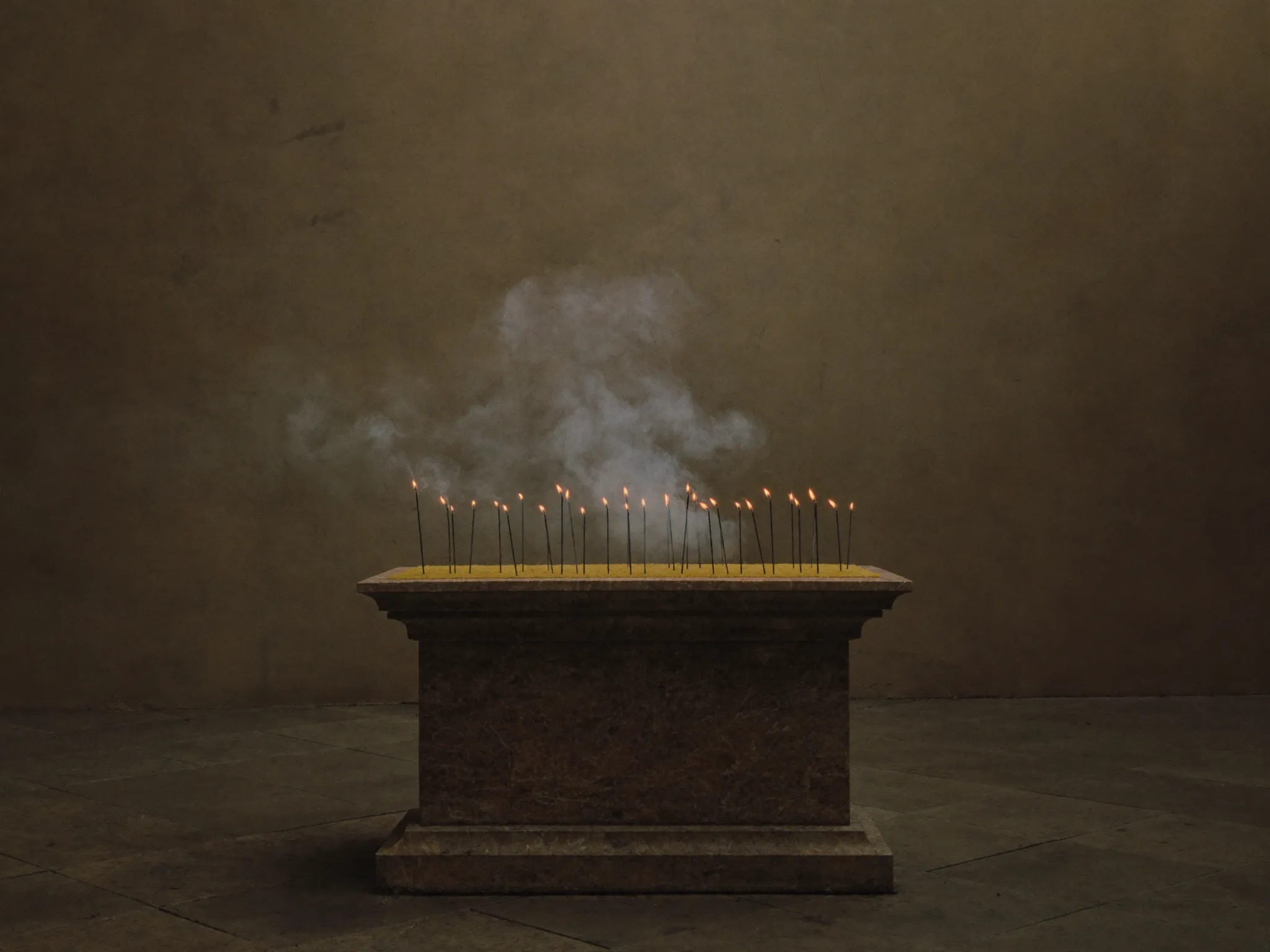
लेवीय 1 — त्याच्याबद्दल प्रायश्चित्त म्हणून ते मान्य होईल
देव दर्शनमंडपातून मोशेला हाक मारतो. पाच अर्पणांपैकी पहिले म्हणजे होमार्पण — स्वेच्छेने केलेले, गुरांढोरांतून, शेरडामेंढरांतून किंवा पक्ष्यांतून, आणि वेदीवर पूर्णपणे जाळले जाणारे. अर्पण करणारा त्या पशूच्या डोक्यावर आपला हात ठेवतो; त्याच्याबद्दल प्रायश्चित्त म्हणून ते मान्य होते. संपूर्ण अर्पण सुवासिक हव्य म्हणून वर चढते.
“त्या मनुष्याने यज्ञपशूच्या डोक्यावर आपला हात ठेवावा म्हणजे तो पशू त्याच्याबद्दल प्रायश्चित्त म्हणून मान्य होईल.”
— लेवीय 1:4
- v.1-2 परमेश्वर दर्शनमंडपातून मोशेला हाक मारतो
- v.3-9 गुरांढोरांचे होमार्पण
- v.10-13 शेरडामेंढरांचे होमार्पण
- v.14-17 पक्ष्यांचे होमार्पण
दोषहीन नर. होमार्पणासाठीचे मानक. अर्पण कळपातील सर्वांत वाईट नव्हे, तर सर्वोत्तमच असावे लागे. मलाखी 1:8 — जेव्हा तुम्ही यज्ञ करण्यासाठी अंधळा पशू अर्पण करता, तेव्हा हे वाईट नाही काय? ज्याची आपल्याला काहीच किंमत मोजावी लागत नाही, त्याने देवाचा सन्मान होत नाही.
इंग्रजी (KJV) पाठात आपल्या स्वतःच्या इच्छेने असे म्हटले आहे. होमार्पण सक्तीचे नव्हते. ते संपूर्ण समर्पणाची स्वेच्छेने केलेली अभिव्यक्ती होते. हेच तत्त्व रोमकरांस पत्र 12:1 मध्येही आढळते — आपली शरीरे ‘पवित्र व देवाला संतोष देणारे जिवंत ग्रहणीय’ यज्ञ... ही तुमची आध्यात्मिक सेवा आहे.
हात ठेवण्याने उपासकाची ओळख त्या बळी जाणाऱ्या पशूकडे हस्तांतरित झाली. तो पशू अर्पण करणाऱ्याच्या जागी उभा राहिला. वाहिलेले रक्त, प्रतीकात्मक प्रतिनिधित्वाने, त्याचे स्वतःचेच रक्त होते.
त्याच्याबद्दल... मान्य होईल. अनेक जण इब्री शब्द (लो, "त्याच्यासाठी") असा वाचतात की अर्पण त्याच्या जागी मान्य होते. हे प्रतिनिधिक प्रायश्चित्ताचे सर्वांत प्राचीन तपशीलवार रूप आहे. हेच तत्त्व कालवरीवर आपल्या पूर्णतेला पोहोचते: परमेश्वराने आमचे सर्व अपराध त्याच्यावर ठेवले (यशया 53:6).
त्या सर्वांचा वेदीवर होम करून तो अर्पावा. संपूर्ण होमार्पण — सर्व काही जाळले जाते, काहीही राखून ठेवले जात नाही. सर्व अर्पणांपैकी केवळ हेच पूर्णपणे देवाला दिले जात असे.
ख्रिस्तांनी स्वतःला पूर्णपणे अर्पण केले. त्यांनी आपल्या जीवनाचा कोणताही भाग राखून ठेवला नाही. त्यांनी आपला शेवटचा श्वासही दिला. होमार्पण हे चित्र आहे; त्यांचे संपूर्ण आत्मदान हे वास्तव आहे. ख्रिस्तानेही जशी आपल्यावर प्रीती केली आणि देवाला संतुष्ट करणारा सुवास मिळावा म्हणून, आपल्यासाठी ‘अर्पण व बलिदान’ असे स्वतःला दिले (इफिसकरांस पत्र 5:2).
गरिबांसाठी केलेली तरतूद. गुरेढोरे श्रीमंतांसाठी, शेरडेमेंढरे मध्यमवर्गीयांसाठी, आणि पक्षी ज्यांना त्याहून अधिक परवडत नव्हते त्यांच्यासाठी. दारिद्र्यामुळे कोणालाही उपासनेतून वगळले गेले नाही.
लूककृत शुभवर्तमान 2:24 — येशूंच्या जन्मानंतर मरीया आणि योसेफ यांनी होल्यांचा जोडा किंवा कबुतरांची दोन पिल्ले अर्पण केली. पक्ष्यांचे अर्पण आणावे लागेल इतक्या गरीब कुटुंबात देवाचा पुत्र जन्मला. तेच ख्रिस्त पुढे अहो दिनांनो, तुम्ही धन्य आहात असे म्हणणार होते (लूककृत शुभवर्तमान 6:20).
खरे होमार्पण असलेल्या ख्रिस्तांवर आपला हात ठेवा. ओळखीचे हे हस्तांतरण विश्वासाने होते. तुमच्याबद्दल प्रायश्चित्त म्हणून ते तुमच्यासाठी मान्य होतील. जुन्या करारातील उपासकासाठी पशू उभा राहिला; विश्वासणाऱ्यासाठी ख्रिस्त उभे राहतात. विश्वासाने त्यांच्यावर आपला हात ठेवा; त्यांची मान्यता तुमची होते.
ख्रिस्त हे परिपूर्ण होमार्पण आहेत. ते निष्कलंक होते (पेत्राचे पहिले पत्र 1:19). ते स्वतःच्या इच्छेने आले (योहान 10:18). पाप्यांच्या जागी ते मान्य झाले. ते पूर्णपणे दिले गेले — त्यांचा प्रत्येक भाग अर्पिला गेला, रक्ताचा प्रत्येक थेंब सांडला गेला. इफिसकरांस पत्र 5:2 होमार्पणाच्या भाषेचा प्रतिध्वनी करते: ख्रिस्तानेही जशी आपल्यावर प्रीती केली आणि देवाला संतुष्ट करणारा सुवास मिळावा म्हणून, आपल्यासाठी ‘अर्पण व बलिदान’ असे स्वतःला दिले.
या पानावरील तुमच्या भाषेतील पवित्र शास्त्राचा मजकूर: इंडियन रिव्हाइज्ड व्हर्जन (IRV), © 2017, 2019 ब्रिज कनेक्टिव्हिटी सोल्युशन्स — कोणताही बदल न करता या परवान्याअंतर्गत वापरलेला: CC BY-SA 4.0 · eBible.org
लेवीय पुस्तकाची सुरुवात देव हाक मारतो तेथून होते. निर्गम पुस्तकाच्या शेवटी गौरवाने दर्शनमंडप भरून गेला होता; आता देव त्यातून बोलतो. उपासनेची सुरुवात मनुष्य जवळ येण्याने नव्हे, तर देव बोलण्याने होते.
इब्री लोकांस पत्र 1:1-2 — देव प्राचीन काळांमध्ये आपल्या पूर्वजांशी संदेष्ट्यांच्या द्वारे अनेक वेळेस वेगवेगळ्या मार्गांनी बोलला, परंतु या शेवटच्या दिवसात तो आपल्याशी त्याच्या पुत्राद्वारे बोलला आहे. दर्शनमंडपातून आलेली वाणी स्वर्गातून आलेली वाणी बनते, आणि ती ख्रिस्तांच्या देहातील वाणी बनते. तोच देव आजही बोलतो.