കരടു പരിഭാഷ. മാതൃഭാഷ ക്രിസ്ത്യാനികളുടെ തിരുത്തലുകൾ സ്വാഗതം. വാക്യപാഠം KJV (ഇംഗ്ലീഷ്)-ൽ തുടരും.
രൂത്ത് 1 — നിന്റെ ജനം എന്റെ ജനം
ന്യായാധിപന്മാരുടെ കാലത്ത്, ഒരു ക്ഷാമം എലീമേലെക്കിനെയും നൊവൊമിയെയും ബേത്ലേഹേമിൽനിന്നു മോവാബിലേക്കു പോകുവാൻ നിർബന്ധിതരാക്കുന്നു. അവിടെവച്ച് എലീമേലെക്ക് മരിക്കുന്നു; അവന്റെ രണ്ടു പുത്രന്മാർ മോവാബ്യസ്ത്രീകളെ വിവാഹം കഴിക്കുന്നു; പിന്നീട് ആ പുത്രന്മാരും മരിക്കുന്നു. എല്ലാം നഷ്ടപ്പെട്ട നൊവൊമി ബേത്ലേഹേമിലേക്കു മടങ്ങിപ്പോകുവാൻ തീരുമാനിക്കുന്നു. തന്റെ മരുമക്കളോട് മോവാബിൽത്തന്നെ പാർക്കുവാൻ അവൾ നിർബന്ധിക്കുന്നു. ഓർപ്പാ മടങ്ങിപ്പോകുന്നു; എന്നാൽ രൂത്ത്, സകല സാഹിത്യത്തിലെയും ഏറ്റവും മനോഹരമായ വിശ്വസ്തതാപ്രതിജ്ഞകളിൽ ഒന്നിലൂടെ നൊവൊമിയോടു പറ്റിച്ചേർന്നുനിൽക്കുന്നു.
“അതിന് രൂത്ത്: നിന്നെ വിട്ടുപിരിഞ്ഞു മടങ്ങിപ്പോകുവാൻ എന്നോട് പറയരുതേ, നീ പോകുന്നിടത്ത് ഞാനും പോകും, നീ പാർക്കുന്നേടത്ത് ഞാനും പാർക്കും, നിന്റെ ജനം എന്റെ ജനം, നിന്റെ ദൈവം എന്റെ ദൈവം.”
— രൂത്ത് 1:16
- v.1-5 ക്ഷാമം, പ്രവാസം, മോവാബിലെ മരണം
- v.6-14 നൊവൊമി തന്റെ മരുമക്കളെ മടങ്ങിപ്പോകുവാൻ നിർബന്ധിക്കുന്നു
- v.15-18 രൂത്തിന്റെ വിശ്വസ്തതാപ്രതിജ്ഞ
- v.19-22 ബേത്ലേഹേമിലേക്കുള്ള മടക്കം; നൊവൊമി തന്നെത്തന്നെ മാറാ എന്നു വിളിക്കുന്നു
ബൈബിളിലെ ഉടമ്പടിവിശ്വസ്തതയുടെ ഏറ്റവും മനോഹരമായ പ്രകടനങ്ങളിൽ ഒന്ന്. മോവാബ്യസ്ത്രീയായ രൂത്ത് തന്നെത്തന്നെ നൊവൊമിയോടു മാത്രമല്ല, നൊവൊമിയുടെ ജനത്തോടും നൊവൊമിയുടെ ദൈവത്തോടും ബന്ധിക്കുന്നു. ഇതു മാനസാന്തരമാണ് — നിന്റെ ദൈവം എന്റെ ദൈവം.
മോവാബിൽത്തന്നെ പാർക്കുവാൻ രൂത്തിന് ലൗകികമായ എല്ലാ കാരണങ്ങളും ഉണ്ടായിരുന്നു — അവളുടെ കുടുംബം, അവളുടെ സംസ്കാരം, പുനർവിവാഹത്തിനുള്ള സാധ്യതകൾ. അവയെല്ലാറ്റിനും മീതെ അവൾ വിശ്വസ്തതയും ഇസ്രായേലിന്റെ ദൈവത്തെയും തിരഞ്ഞെടുത്തു. പിൽക്കാലത്ത് ഇസ്രായേലിന്റെ ദൈവത്തെ അനുഗമിക്കുവാൻ സകലവും ഉപേക്ഷിക്കുമായിരുന്ന ഓരോ വിജാതീയനെയും അവളുടെ തിരഞ്ഞെടുപ്പ് മുൻകൂട്ടി കാണിക്കുന്നു.
യഹോവയുടെ നാമത്തിൽ ഒരു ശപഥത്തോടെ രൂത്ത് തന്റെ പ്രതിജ്ഞ മുദ്രയിടുന്നു — യഹോവ എന്നെ അധികമായി ശിക്ഷിക്കട്ടെ. ഇസ്രായേലിന്റെ ദൈവത്തെ അവൾ സാക്ഷിയായി വിളിക്കുന്നു. അവളുടെ സമർപ്പണം സമ്പൂർണ്ണവും പിൻവലിക്കാനാവാത്തതുമാണ്; മരണത്തിനു മാത്രമേ അതിനെ മുറിക്കാനാവൂ.
ഉടമ്പടിവിശ്വസ്തതയുടെ ആഴം. നീ മരിച്ച് അടക്കപ്പെടുന്നേടത്ത് ... ഞാനും മരിച്ചു അടക്കപ്പെടും. ഇതു ശാശ്വതമായ സമർപ്പണത്തിന്റെ ഭാഷയാണ് — ദൈവം തന്റെ ജനത്തോടു കാണിക്കുന്നതും, തന്റെ ജനം പരസ്പരം കാണിക്കണമെന്ന് അവിടുന്ന് ആവശ്യപ്പെടുന്നതുമായ തരം വിശ്വസ്തത.
നൊവൊമി എന്നതിന്റെ അർത്ഥം പ്രസന്നം എന്നാണ്; മാറാ എന്നതിന്റെ അർത്ഥം കയ്പ് എന്നും. ദുഃഖിതയായ ആ വിധവ തന്റെ സങ്കടത്തെ ആസ്പദമാക്കി തനിക്കുതന്നെ പുതിയ പേരിടുന്നു. തന്റെ വേദനയെക്കുറിച്ചുള്ള അവളുടെ സത്യസന്ധത ശാസന കൂടാതെ രേഖപ്പെടുത്തിയിരിക്കുന്നു — തങ്ങളുടെ കയ്പിനെ പേരുചൊല്ലി പറയുവാൻ ദൈവം തന്റെ ജനത്തെ അനുവദിക്കുന്നു.
എങ്കിലും, തന്റെ വികാരങ്ങളെക്കുറിച്ചു സത്യസന്ധയായിരിക്കുമ്പോൾത്തന്നെ, തന്റെ സാഹചര്യങ്ങളെക്കുറിച്ചു നൊവൊമിക്കു തെറ്റുപറ്റി. താൻ ഒന്നുമില്ലാത്തവളായി മടങ്ങിവന്നു എന്ന് അവൾ പറഞ്ഞു (21-ാം വാക്യം) — എന്നാൽ അവൾ മടങ്ങിവന്നത് രൂത്തിനോടുകൂടെയായിരുന്നു; അവളിലൂടെയാണ് ദാവീദിന്റെ വംശവും ഒടുവിൽ ക്രിസ്തുവും വരുമായിരുന്നത്. ദുഃഖത്തിന്റെ ആഴങ്ങളിൽ നാം പലപ്പോഴും നമ്മുടെ സ്വന്തം സാഹചര്യങ്ങളെ തെറ്റായി വിലയിരുത്തുന്നു.
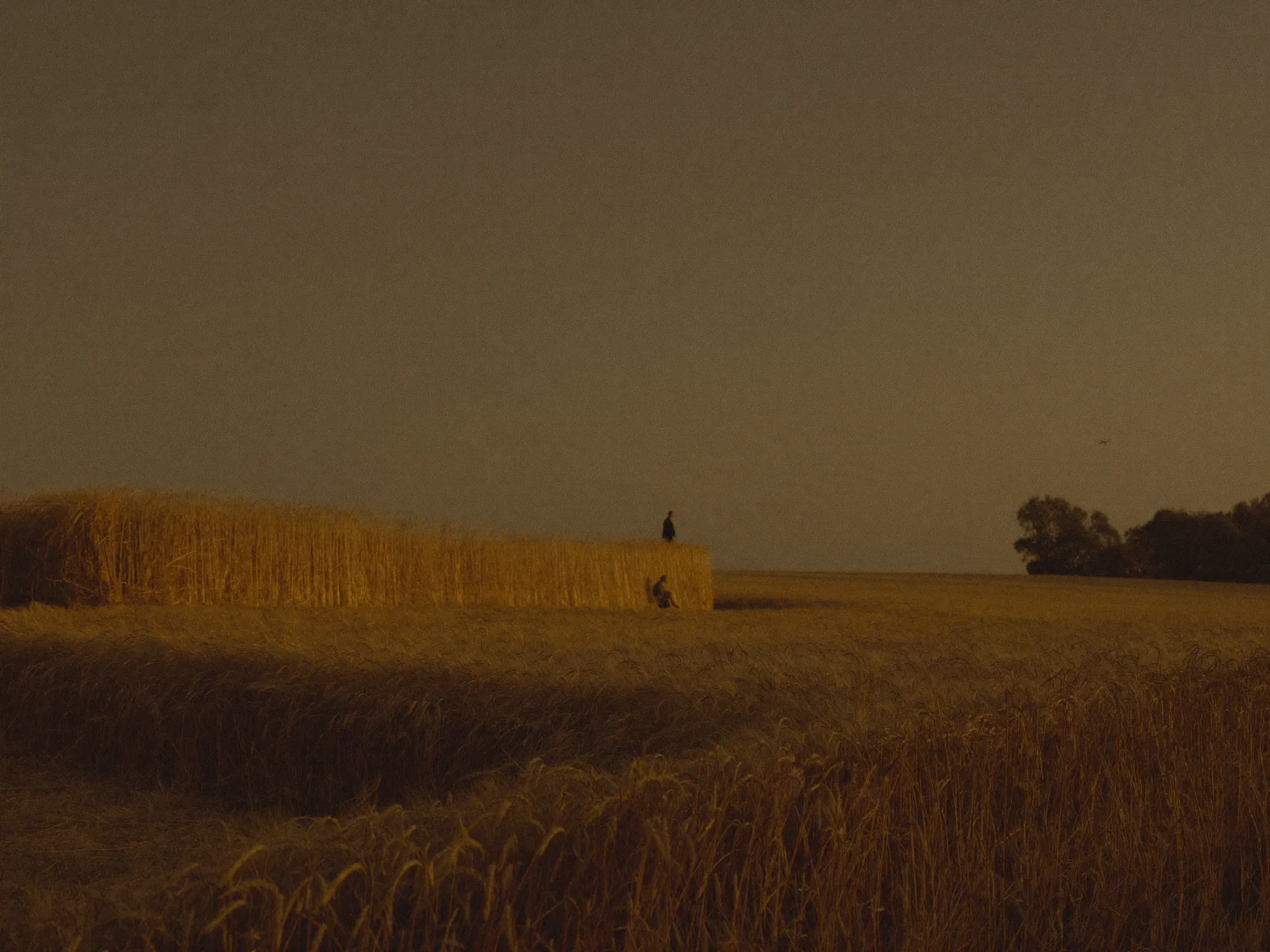
യവക്കൊയ്ത്തിന്റെ ആരംഭത്തിൽ. നിർണ്ണായകമായിത്തീരുന്ന ഒരു സമയവിവരം — ബോവസിന്റെ വയലിൽ രൂത്ത് കാലാ പെറുക്കുന്നത് കൊയ്ത്തുകാലത്താണ് (2-ാം അദ്ധ്യായം). ദൈവത്തിന്റെ കരുതൽ അവരെ കൃത്യമായി ശരിയായ കാലത്തുതന്നെ അവിടെ എത്തിക്കുന്നു.
കൊയ്ത്തുകാലത്ത് ബേത്ലേഹേമിലേക്കുള്ള (അപ്പത്തിന്റെ ഭവനം) മടക്കം ആത്മാവിന്റെ ക്ഷാമം അവസാനിക്കുന്നു എന്നതിന്റെ സൂചനയാണ്. ഒന്നുമില്ലാത്ത ഒരു മടക്കമായി തോന്നിയത് വീണ്ടെടുപ്പിന്റെ ആരംഭമായിരുന്നു.
വിട്ടുപോകുവാൻ എല്ലാ കാരണവും ഉണ്ടായിരുന്നപ്പോൾ, രൂത്ത് തന്നെത്തന്നെ ദൈവത്തിന്റെ ജനത്തോടും ദൈവജനത്തിന്റെ ദൈവത്തോടും ബന്ധിച്ചു. വില കൊടുക്കേണ്ടിവരുന്ന വിശ്വസ്തത മാത്രമേ ആ പേരിന് അർഹമായിട്ടുള്ളൂ. ദൈവത്തെ അനുഗമിക്കുക എന്നതിന്റെ അർത്ഥം സുഖസൗകര്യങ്ങളും കുടുംബത്തിന്റെ പ്രതീക്ഷകളും സാംസ്കാരികമായ സ്വന്തബോധവും പിന്നിൽ ഉപേക്ഷിക്കുക എന്നാകുമ്പോൾ, രൂത്തിനെ ഓർക്കുക. നിന്റെ ജനം എന്റെ ജനം, നിന്റെ ദൈവം എന്റെ ദൈവം. ഇരുട്ടിൽ എടുക്കുന്ന ആ തരം സമർപ്പണം, നിനക്ക് ഇപ്പോൾ കാണാനാവാത്ത ഒരു കൊയ്ത്തിലേക്കു നയിക്കുന്നു.
മോവാബ്യസ്ത്രീയായ രൂത്ത് — ശപിക്കപ്പെട്ട ഒരു ജനതയിൽനിന്നുള്ള ഒരു വിജാതീയ — ദാവീദ് രാജാവിന്റെ മുതുമുത്തശ്ശിയും ക്രിസ്തുവിന്റെതന്നെ ഒരു പൂർവ്വമാതാവും ആയിത്തീരുമായിരുന്നു (മത്തായി 1:5). മശീഹയുടെ വംശപരമ്പരയിൽ അവൾ ഉൾപ്പെട്ടിരിക്കുന്നത്, സുവിശേഷം എക്കാലവും വിജാതീയർക്കുംകൂടി ഉദ്ദേശിക്കപ്പെട്ടതായിരുന്നു എന്നു പ്രഖ്യാപിക്കുന്നു. ദുഃഖത്തിന്റെ ഇരുട്ടിൽ അവൾ തിരഞ്ഞെടുത്ത ദൈവം, വീണ്ടെടുപ്പുകാരന്റെ വംശപരമ്പരയിൽ നിൽക്കുവാൻ അവളെ തിരഞ്ഞെടുത്തിരുന്നു.
ഈ പേജിൽ നിങ്ങളുടെ ഭാഷയിലുള്ള തിരുവെഴുത്ത് പാഠം: ഇന്ത്യൻ റിവൈസ്ഡ് വേർഷൻ (IRV), © 2017, 2019 ബ്രിഡ്ജ് കണക്റ്റിവിറ്റി സൊല്യൂഷൻസ് — മാറ്റമില്ലാതെ ഈ ലൈസൻസിനു കീഴിൽ ഉപയോഗിച്ചത്: CC BY-SA 4.0 · eBible.org
ന്യായാധിപന്മാർ ഭരണം നടത്തിയ കാലത്ത് — ഓരോരുത്തൻ സ്വന്തം ഇഷ്ടം അനുസരിച്ചു ജീവിച്ച ഒരു ഇരുണ്ട കാലഘട്ടം (ന്യായാധിപന്മാർ 21:25). ദേശീയമായ ആ അരാജകത്വത്തിന്റെ പശ്ചാത്തലത്തിൽ, ഒരു കുടുംബത്തിന്റെ നിശ്ശബ്ദമായ വിശ്വസ്തത തിളങ്ങിനിൽക്കുന്നു.
ക്ഷാമം... ബേത്ലേഹേമിൽ — വിരോധാഭാസമെന്നു പറയട്ടെ, ബേത്ലേഹേം എന്ന പേരിന്റെ അർത്ഥം അപ്പത്തിന്റെ ഭവനം എന്നാണ്. അപ്പത്തിന്റെ ഭവനത്തിൽ അപ്പമില്ലായിരുന്നു. മോവാബിലേക്കു (ശാപത്തിൻ കീഴിലായിരുന്ന ഒരു ശത്രുജനത, ആവർത്തനപുസ്തകം 23:3) പോകുവാനുള്ള എലീമേലെക്കിന്റെ തീരുമാനം വലിയ വില കൊടുക്കേണ്ടിവരുന്ന ഒന്നായിത്തീരുമായിരുന്നു.