मसौदा अनुवाद. मातृभाषी ईसाइयों के सुधार स्वागत हैं। पद-पाठ KJV (अंग्रेज़ी) में रहता है।
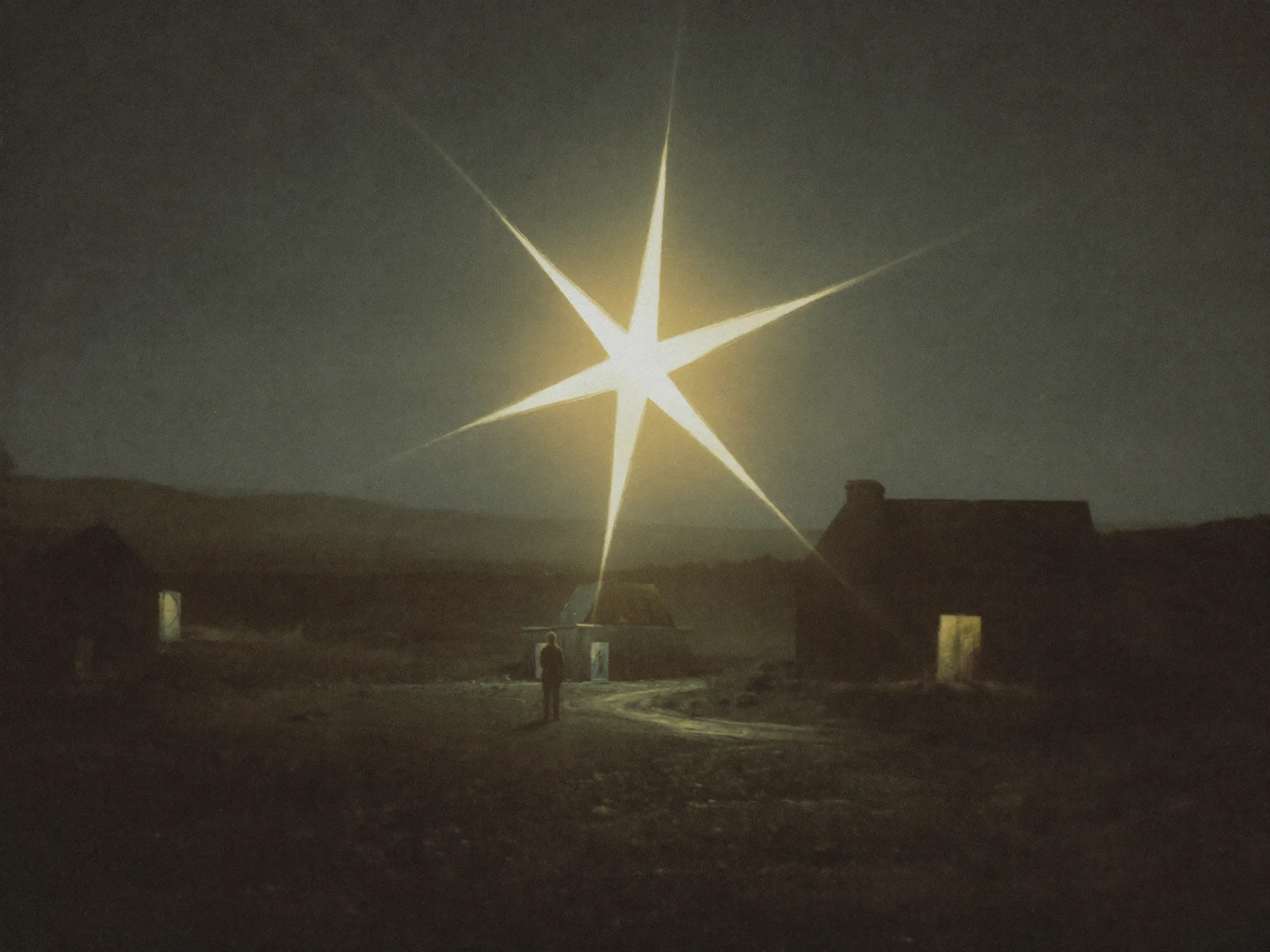
मत्ती 5 — पहाड़ी उपदेश — धन्य वचन
यीशु अपने सबसे प्रसिद्ध उपदेश का आरम्भ आठ आशीषों से करते हैं जो संसार के मूल्यों को उलट देती हैं। राज्य उनका है जिन्हें संसार अनदेखा करता है — मन के दीन, शोक करनेवाले, नम्र, धार्मिकता के भूखे। आगे यह अध्याय परमेश्वर की हर आज्ञा को हृदय तक ले जाता है।
“धन्य हैं वे, जिनके मन शुद्ध हैं, क्योंकि वे परमेश्वर को देखेंगे।”
— मत्ती 5:8
- v.1-12 धन्य वचन — राज्य के उलटे मूल्य
- v.13-16 नमक और ज्योति
- v.17-20 व्यवस्था पूरी की गई, लोप नहीं
- v.21-26 क्रोध और हृदय की हत्या
- v.27-30 कामुकता और हृदय का व्यभिचार
- v.31-32 तलाक
- v.33-37 शपथ — तुम्हारी बात ‘हाँ’ की ‘हाँ’ हो
- v.38-42 बदला — दूसरा गाल भी फेर दो
- v.43-48 अपने बैरियों से प्रेम रखो — अपने पिता के समान सिद्ध बनो
सामान्य हानियों पर शोक नहीं, बल्कि पाप पर शोक — अपने पाप पर भी और संसार के पाप पर भी। वह शोक जो मन फिराव उत्पन्न करता है (2 कुरिन्थियों 7:10)।
ऐसी संस्कृति में जो हर उदासी का इलाज दवा से करती है, यीशु शोक को धन्य कहते हैं। एक पवित्र शोक है जिसे केवल अनुग्रह ही चंगा कर सकता है।
नम्रता दुर्बलता नहीं है। यूनानी शब्द प्राउस सधाए हुए घोड़ों के लिए प्रयोग होता था — नियंत्रण में रखी गई शक्ति। यीशु ने स्वयं को नम्र कहा (मत्ती 11:29)। मूसा अपने समय का सबसे नम्र मनुष्य था (गिनती 12:3) — और उसने एक राष्ट्र की अगुवाई की।
संसार मानता है कि पृथ्वी आक्रामक लोगों के हाथ जाती है। यीशु कहते हैं कि यह मीरास समर्पित लोगों को मिलती है।
वे नहीं जिनके पास धार्मिकता है — वे जो उसके भूखे हैं। आत्मिक भूख, न कि आत्मिक उपलब्धि, राज्य की पहचान है।
प्रतिज्ञा पूर्णता की है। आंशिक सन्तोष नहीं, बल्कि तृप्ति। जो आत्मा भूख के साथ परमेश्वर के पीछे चलती है, वह भोजन की मेज़ से खाली नहीं उठेगी।
एक टिप्पणी: दयावन्तों पर दया की जाएगी, पर वे दयावन्त इसलिए हैं क्योंकि उन पर पहले ही दया हो चुकी है। पाई हुई दया, दी जाने वाली दया उत्पन्न करती है।
मत्ती 18 का निर्दयी दास चेतावनी है। जो दया पाकर भी दया दिखाने से इन्कार करता है, वह दिखाता है कि उसने कभी समझा ही नहीं कि उसे क्या क्षमा किया गया था।
हृदय उद्देश्य, इच्छा और संकल्प का आसन है। यहाँ शुद्धता का अर्थ अविभाजित होना है — एक ही निष्ठा, मिला-जुला हृदय नहीं (याकूब 4:8)।
“वे परमेश्वर को देखेंगे” — सबसे ऊँची सम्भव प्रतिज्ञा। अभी आंशिक रूप से (2 कुरिन्थियों 3:18) और आनेवाले युग में पूर्ण रूप से (1 यूहन्ना 3:2)।
मेल करवानेवाले, केवल मेल बनाए रखनेवाले नहीं। मेल करवाने के लिए कभी-कभी आमना-सामना करना पड़ता है; मेल बनाए रखने के लिए अकसर समझौता करना पड़ता है। परमेश्वर की सन्तान पहला काम करती है।
सबसे बड़े मेल करवानेवाले स्वयं मसीह हैं, जिन्होंने अपने क्रूस के लहू के द्वारा मेल कराया (कुलुस्सियों 1:20)। जो वही करते हैं जो वे करते हैं, उनमें परिवार की समानता दिखाई देती है।
राज्य पहले और अन्तिम धन्य वचन दोनों का है। मन के दीन उसके स्वामी हैं क्योंकि उनके पास और कुछ नहीं; सताए हुए उसके स्वामी हैं क्योंकि उन्होंने और सब कुछ छोड़ दिया है।
सताव प्रामाणिकता को प्रमाणित करता है। यीशु ने कहा कि संसार उनके अपनों से बैर रखेगा (यूहन्ना 15:18-20)। यदि संसार उस बात से प्रेम करता है जिसके पक्ष में आप खड़े हैं, तो जाँचिए कि क्या आप उनकी ओर खड़े भी हैं।
“तुम हो” — “तुम्हें बनना चाहिए” नहीं। यह कथन है, उपदेश नहीं। यीशु के अनुयायी अपने भीतर उनकी ज्योति होने के कारण ज्योति हैं।
पहाड़ पर बसा नगर छिप नहीं सकता। मसीही विशिष्टता का दिखाई देना एक गुण है, दोष नहीं। जो मसीही बिलकुल संसार जैसा दिखता है, उसने वह ज्योति छिपा दी है जो संसार के लिए दी गई थी।
यीशु ने पुराने नियम की नैतिक व्यवस्था को लोप नहीं किया। उन्होंने उसे पूरा किया — पहले सिद्ध आज्ञाकारिता के द्वारा (केवल उन्होंने ही कभी ऐसा किया), और दूसरे, आगे के पदों में उसे हृदय तक गहरा करके।
यह एक पद व्यवस्थावाद (जो व्यवस्था में जोड़ता है) और व्यवस्था-विरोधवाद (जो उसमें से घटाता है) दोनों का खण्डन करता है। यीशु बीच में खड़े हैं, पूरी व्यवस्था को थामे हुए।
“सिद्ध” — यूनानी तेलेइओस, जिसका अर्थ है परिपक्व, पूर्ण, सम्पन्न। पूर्ण अर्थ में निष्पाप नहीं (जो केवल मसीह ही हैं), बल्कि सम्पूर्ण, अपने निर्धारित लक्ष्य तक पहुँचाया हुआ।
मापदण्ड आपके बगल में खड़े फरीसी नहीं, बल्कि आपके ऊपर का पिता है। केवल यह पद ही हर कमाई हुई धार्मिकता की अपर्याप्तता को उजागर कर देता है और आत्मा को अनुग्रह की ओर धकेलता है।
धन्य वचनों को दर्पण की तरह पढ़िए। इनमें से कौन-सा ‘धन्य’ आपका वर्णन करता है? कौन-सा सबसे अधिक अनुपस्थित है? इस वर्णन की नकल करने का प्रयास मत कीजिए — उससे फरीसी पैदा होता है। उस भीतरी दशा के लिए प्रार्थना कीजिए जिसका वर्णन यीशु करते हैं, और दिखाई देने वाला चरित्र उसके पीछे-पीछे आएगा।
हर धन्य वचन को सबसे पहले यीशु ने पूरी तरह जीया। वे मन के दीन थे, उन्होंने यरूशलेम पर शोक किया, वे नम्र थे, वे धार्मिकता के भूखे थे, वे ही दयावन्त, शुद्ध, मेल करवानेवाले और सताए हुए थे। पहाड़ी उपदेश उनका आत्म-चित्र है, जो हमें बुलाहट के रूप में दिया गया है।
इस पृष्ठ पर आपकी भाषा में पवित्रशास्त्र का पाठ: इंडियन रिवाइज़्ड वर्ज़न (IRV), © 2017, 2019 ब्रिज कनेक्टिविटी सॉल्यूशंस — बिना बदलाव के इस लाइसेंस के अंतर्गत प्रयुक्त: CC BY-SA 4.0 · eBible.org
पहला धन्य वचन बाकी सब का द्वार है। जब तक कोई आत्मा अपनी आत्मिक दरिद्रता को नहीं पहचानती, तब तक सुसमाचार को उसके भीतर सुनवाई नहीं मिलती।
“मन के दीन” — यूनानी प्तोखोस, भिखारी की दरिद्रता; साधारण कमी नहीं, बल्कि पूरी कंगाली। राज्य उनके लिए नहीं जिनके पास परमेश्वर के पास लाने को कुछ है; यह उनके लिए है जिनके पास कुछ भी नहीं।
लूका 18:13 से तुलना कीजिए — वह चुंगी लेनेवाला जो अपनी आँखें उठाना भी न चाहता था, ठीक वही मनुष्य है जिसका वर्णन यीशु यहाँ करते हैं।