मसौदा अनुवाद. मातृभाषी ईसाइयों के सुधार स्वागत हैं। पद-पाठ KJV (अंग्रेज़ी) में रहता है।
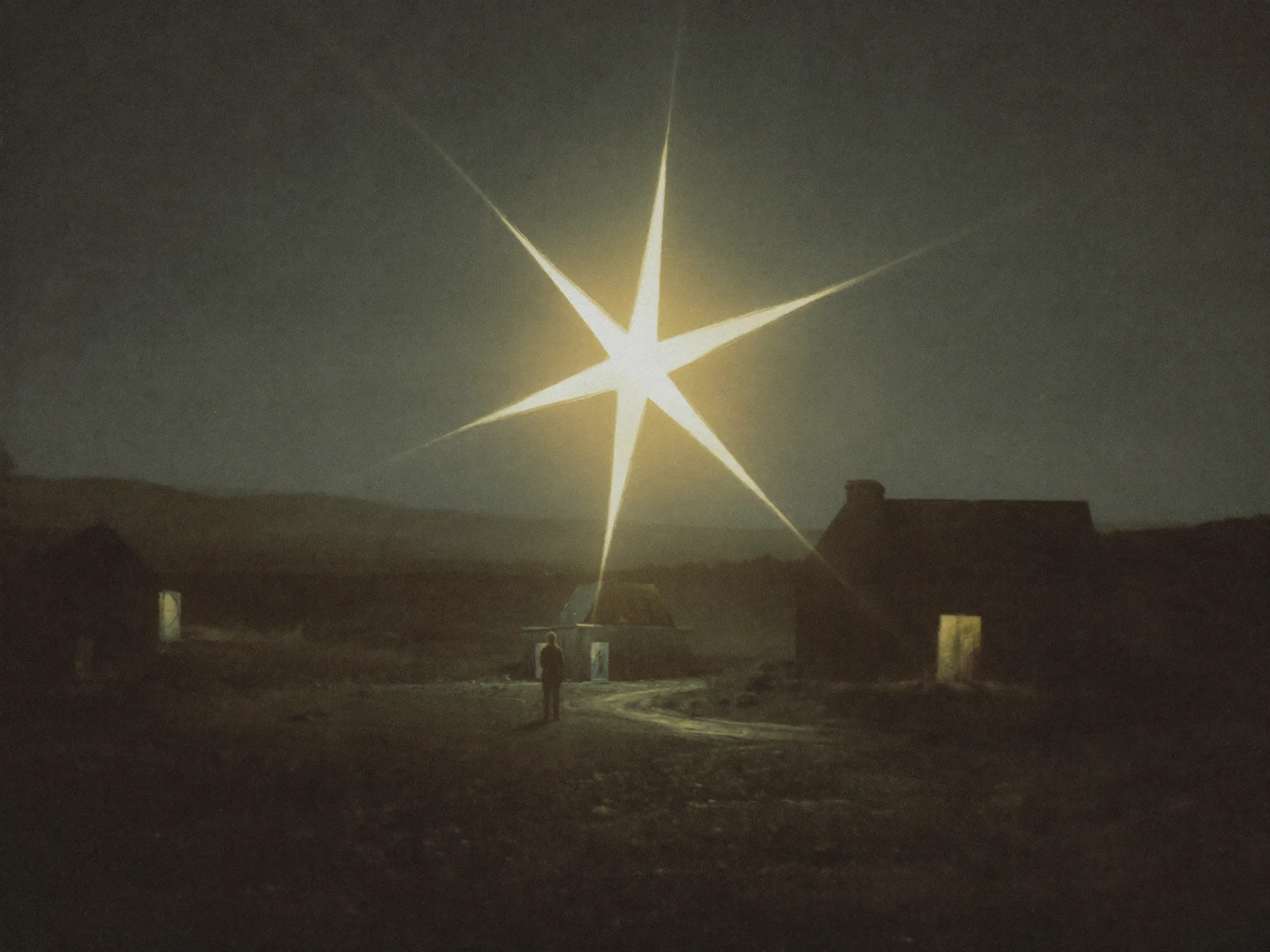
मत्ती 22 — तू परमेश्वर अपने प्रभु से अपने सारे मन से प्रेम रख
विवाह के भोज का दृष्टान्त — निमंत्रित लोग इनकार करते हैं; चौराहों से लोग लाकर घर भर दिया जाता है; विवाह का वस्त्र न पहने एक व्यक्ति बाहर निकाल दिया जाता है। बुलाए हुए बहुत हैं, चुने हुए थोड़े। कैसर को कर देने पर फरीसी; पुनरुत्थान पर सदूकी; बड़ी आज्ञा पर एक व्यवस्थापक। तू परमेश्वर अपने प्रभु से ... प्रेम रख ... और अपने पड़ोसी से अपने समान प्रेम रख। यीशु उनसे पूछते हैं — मसीह किसकी सन्तान है? यदि दाऊद उसे प्रभु कहता है, तो वह उसका पुत्र कैसे? वे उत्तर नहीं दे पाते; उस दिन से किसी को फिर उनसे प्रश्न पूछने का साहस न हुआ।
“उसने उससे कहा, “तू परमेश्वर अपने प्रभु से अपने सारे मन और अपने सारे प्राण और अपनी सारी बुद्धि के साथ प्रेम रख। बड़ी और मुख्य आज्ञा तो यही है। और उसी के समान यह दूसरी भी है, कि तू अपने पड़ोसी से अपने समान प्रेम रख।””
— मत्ती 22:37-39
- v.1-14 विवाह का भोज
- v.15-22 जो कैसर का है, वह कैसर को
- v.23-33 जीवितों का परमेश्वर
- v.34-40 बड़ी आज्ञा
- v.41-46 दाऊद का पुत्र और प्रभु
सिक्के पर कैसर की आकृति थी; मनुष्य पर परमेश्वर की। मसीह का उत्तर प्रश्न को बहुत छोटा बना देता है। सिक्के को उसका उचित स्थान दो; अपने आपको भी उसका उचित स्थान दो।
मसीही नागरिकता दो पटरियों पर चलती है — नागरिक कर्तव्य वास्तविक हैं, पर गहरा दावा परमेश्वर का है। कैसर को देना छोटी बात है; परमेश्वर को देना सब कुछ है।
मसीह निर्गमन 3:6 से पुनरुत्थान के पक्ष में तर्क देते हैं। अब्राहम की मृत्यु के बहुत बाद परमेश्वर ने स्वयं को अब्राहम का परमेश्वर कहा। यदि कुलपिता मिट चुके हैं, तो क्रिया गलत है; पर वे मिटे नहीं हैं।
पुनरुत्थान क्रिया के काल पर टिका है। परमेश्वर उनका परमेश्वर है। पुराने नियम में यह निहित था; मसीह के तर्क ने इसे खोलकर सामने रख दिया।
दूसरी आज्ञा कोई छूट नहीं, बल्कि पहली के समान है। ऊर्ध्व प्रेम क्षैतिज प्रेम में उमड़ पड़ता है। जहाँ एक अनुपस्थित है, वहाँ दूसरा बिगड़ जाता है।
आज्ञाएँ दो भी हैं और एक भी। लोगों से प्रेम किए बिना परमेश्वर से प्रेम करना झूठ है; परमेश्वर से प्रेम किए बिना लोगों से प्रेम करना केवल भावुकता है। मसीही दोनों को थामे रहता है।
पद 37-39 नैतिक जीवन को नरम किए बिना सरल बना देते हैं। दो आज्ञाएँ। आज के अपने कामों और मनोभावों को उन पर परखो। जहाँ पहली की उपेक्षा होती है, वहाँ दूसरी ढह जाती है; जहाँ दूसरी का दिखावा होता है, वहाँ पहली केवल प्रदर्शन के रूप में उजागर हो जाती है। दोनों, हर समय, पूरी तरह।
अध्याय का अन्त मसीह के उस प्रश्न से होता है जिसका उत्तर उनके विरोधी नहीं दे पाते — मसीह किसकी सन्तान है? वे अपनी मानवता में दाऊद के पुत्र हैं और अपने ईश्वरत्व में दाऊद के प्रभु। अध्याय के दृष्टान्त, विवाद और आज्ञाएँ इसी व्यक्ति पर आकर मिलते हैं, जिनकी पहचान तक उनके उत्तर पहुँच नहीं पाते।
इस पृष्ठ पर आपकी भाषा में पवित्रशास्त्र का पाठ: इंडियन रिवाइज़्ड वर्ज़न (IRV), © 2017, 2019 ब्रिज कनेक्टिविटी सॉल्यूशंस — बिना बदलाव के इस लाइसेंस के अंतर्गत प्रयुक्त: CC BY-SA 4.0 · eBible.org
विवाह के दृष्टान्त का गम्भीर निष्कर्ष। बुलाहट व्यापक है; चुने हुए कम हैं। यह पद बुलाहट और चुनाव के सम्बन्ध को सुलझा देने का दिखावा किए बिना दोनों को थामे रखता है।
अहंकारपूर्ण निश्चिन्तता के विरुद्ध एक चेतावनी। निमंत्रित लोग अभी चुने हुए नहीं हैं; विवाह का वस्त्र मायने रखता है। कलीसिया के इतिहास में बहुत से लोग निमंत्रित होने के अर्थ में बुलाए गए हैं; चुने हुए वह धार्मिकता पहनते हैं जो मसीह प्रदान करते हैं।