খসড়া অনুবাদ. মাতৃভাষী খ্রিস্টানদের সংশোধন স্বাগত। পদের পাঠ KJV (ইংরেজি)-তে থাকে।
ইব্রীয় 6 — ঈশ্বর অন্যায়কারী নন যে তোমাদের কাজ ও প্রেমের পরিশ্রম ভুলে যাবেন
অতএব খ্রিস্টের বিষয়ে প্রাথমিক শিক্ষা পেছনে রেখে এস, আমরা সিদ্ধতার দিকে এগিয়ে যাই। যারা একবার আলোকিত হয়েছিল... তারা যদি সরে পড়ে, তবে তাদের আবার নতুন করে মন-পরিবর্তনে ফিরিয়ে আনা অসম্ভব। কিন্তু প্রিয়েরা, তোমাদের বিষয়ে আমরা আরও ভালো বিষয়ে, পরিত্রাণের সঙ্গে যুক্ত বিষয়ে, নিশ্চিত। ঈশ্বর অন্যায়কারী নন যে তোমাদের কাজ ও প্রেমের সেই পরিশ্রম ভুলে যাবেন, যা তোমরা তাঁর নামের প্রতি দেখিয়েছ। ঈশ্বর যখন অব্রাহামের কাছে প্রতিজ্ঞা করলেন, নিজের চেয়ে মহান কারও নামে শপথ করতে না পারায়, তিনি নিজের নামেই শপথ করলেন — দুটি অপরিবর্তনীয় বিষয়, যেগুলিতে ঈশ্বরের মিথ্যা বলা অসম্ভব। এই প্রত্যাশা আমাদের প্রাণের নোঙরের মতো, অটল ও দৃঢ়, এবং তা পর্দার ভিতরের স্থানে প্রবেশ করে; যেখানে অগ্রগামী আমাদের জন্য প্রবেশ করেছেন, সেই যীশু।
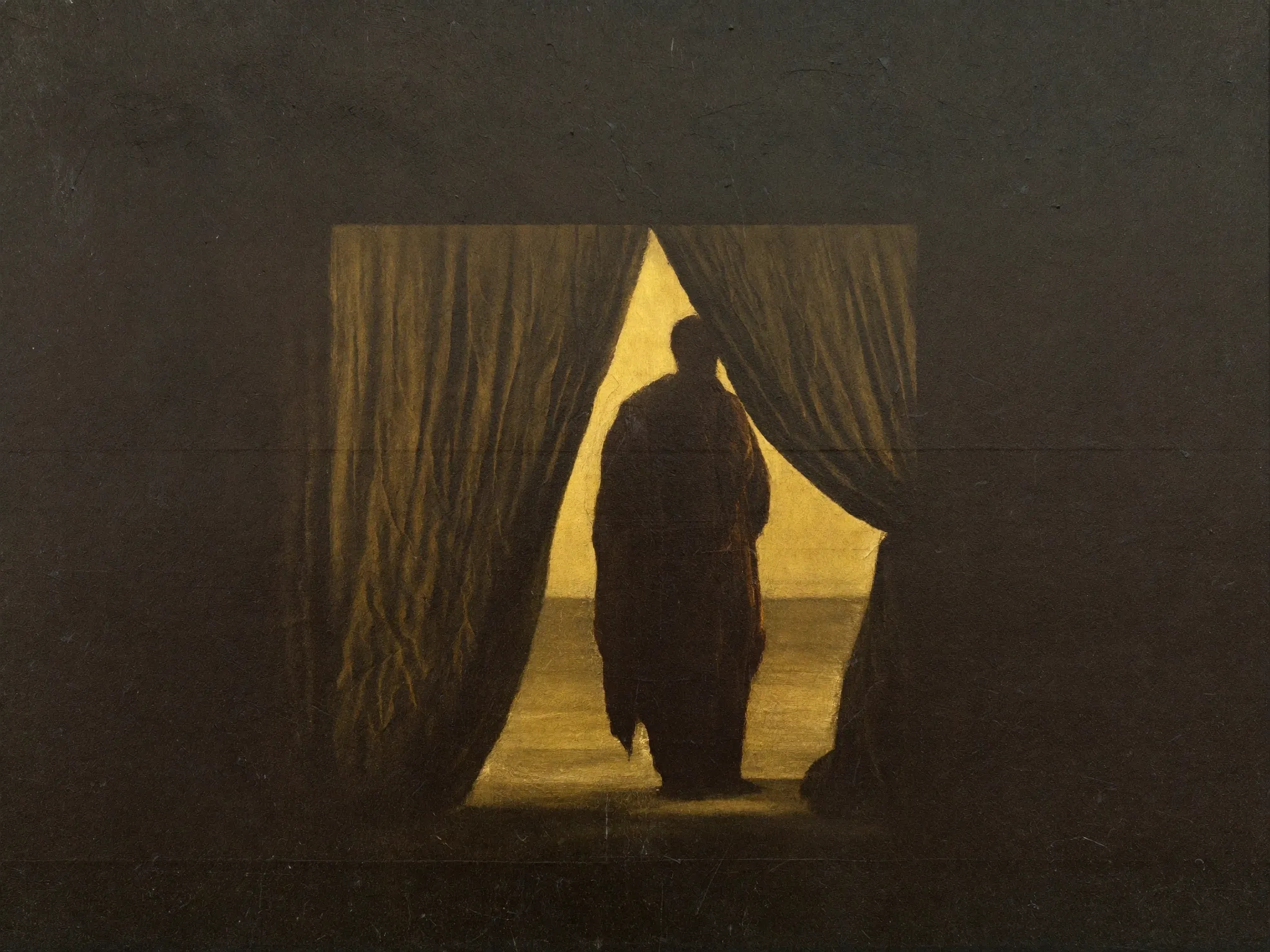
“আমাদের সেই প্রত্যাশা আছে, তা প্রাণের নোঙরের মতো, অটল ও দৃঢ়। তা পর্দার আড়ালে স্বর্গীয় মন্দিরের পবিত্র স্থানে প্রবেশ করায়।”
— ইব্রীয় 6:19
- v.1-3 সিদ্ধতার দিকে এগিয়ে যাও
- v.4-8 ধর্মত্যাগের বিরুদ্ধে সাবধানবাণী
- v.9-12 পরিত্রাণের সঙ্গে যুক্ত আরও ভালো বিষয়
- v.13-20 ঈশ্বরের শপথ; পর্দার ভিতরে নোঙর
সাবধানবাণীর পরে সান্ত্বনার কবজা। ঈশ্বর তাঁর নামের জন্য করা প্রেমের কাজগুলি স্মরণে রাখেন। কোনো পরিশ্রম বৃথা যায় না; কোনো দয়া হারিয়ে যায় না।
নিরুৎসাহিত সেবকের জন্য একটি ভার। যা কেউ লক্ষ করে না, যা কেউ লিখে রাখে না, তা তিনি স্মরণে রাখেন। তাঁর স্মৃতিই শিষ্যের গভীরতম পুরস্কার।
দুটি অপরিবর্তনীয় বিষয় — ঈশ্বরের প্রতিজ্ঞা ও ঈশ্বরের শপথ। মানুষের হৃদয় কত ভঙ্গুর জেনে তিনি নিজেকে দুবার বাঁধলেন। এই পুনরাবৃত্তি আমাদের জন্য।
প্রবল সান্ত্বনা। দুর্বল আশ্বাস নয়; প্রবল। ঈশ্বরের বাক্যের নিশ্চয়তা কাঁপতে-থাকা বিশ্বাসীকে নোঙরবদ্ধ করার জন্যই।
প্রাণের নোঙর। শাস্ত্রে প্রত্যাশার গভীরতম চিত্র। জলের তলে, যেখানে ঝড় পৌঁছাতে পারে না, নোঙর ঈশ্বরের নিজের প্রতিজ্ঞার শিলায় আটকে থাকে।
পর্দার ভিতরে। নোঙর বসানো আছে অতি পবিত্র স্থানে, যেখানে খ্রিস্ট গিয়েছেন। আমাদের প্রত্যাশা পার্থিব পরিস্থিতিতে নোঙরবদ্ধ নয়; তা ঈশ্বরের উপস্থিতির কেন্দ্রে স্থির।
19 পদ সবচেয়ে ভয়ংকর ঝড়ে বারবার আওড়ানোর পদ। আপনার নোঙর পর্দার ভিতরে — যেখানে ঝড় পৌঁছাতে পারে না, সেখানে বসানো। উপরিতলে যা-ই নড়ুক, নোঙর আটকে থাকে সেই পবিত্রতম স্থানে, যেখানে খ্রিস্ট আপনার জন্য গিয়েছেন। নোঙরটি আবার ফেলুন। ঝড় উচ্চকিত; ধরে-রাখাটি নীরব ও নিশ্চিত।
খ্রিস্ট সেই অগ্রগামী, যিনি আমাদের জন্য পর্দার ভিতরে প্রবেশ করেছেন (20 পদ)। আমাদের প্রত্যাশার নোঙর সেই একই খ্রিস্টের সঙ্গে বাঁধা, যাঁকে ইব্রীয় পত্র বর্ণনা করে চলেছে — মল্কীষেদকের রীতি অনুসারে মহাযাজক। অধ্যায়ের সাবধানবাণী ও সান্ত্বনা দুই-ই তাঁর উপর নির্ভর করে: তাঁকে ত্যাগ করা অপুনরুদ্ধারযোগ্য; তাঁকে ধরে রাখা মানে ঈশ্বরের উপস্থিতিতে নোঙরবদ্ধ হওয়া।
এই পাতায় আপনার ভাষায় শাস্ত্রের পাঠ: ইন্ডিয়ান রিভাইজড ভার্সন (IRV), © 2017, 2019 ব্রিজ কানেক্টিভিটি সলিউশনস — কোনো পরিবর্তন ছাড়া এই লাইসেন্সের অধীনে ব্যবহৃত: CC BY-SA 4.0 · eBible.org
ইব্রীয় পত্রের সবচেয়ে বিতর্কিত অংশ। সাবধানবাণীটি বাস্তব ও কঠোর — যারা আলোকিত হওয়ার পরে চূড়ান্তভাবে ও ইচ্ছাকৃতভাবে খ্রিস্ট থেকে মুখ ফেরায়, তাদের ফিরিয়ে আনা যায় না। লেখক তত্ত্ব খাড়া করছেন না; তিনি ভেসে-যাওয়ার বিপদে থাকা আপাত-বিশ্বাসীদের সজাগ করছেন।
ঈশ্বরের পুত্রকে নিজেদের জন্য নতুন করে ক্রুশে দেয়। ধর্মত্যাগী ক্রুশদাতাদের পক্ষে দাঁড়ায়। খ্রিস্টকে জানার পরে তাঁর থেকে মুখ ফেরানো মানে প্রকাশ্যে তাঁকে আবার হত্যা করা।