খসড়া অনুবাদ. মাতৃভাষী খ্রিস্টানদের সংশোধন স্বাগত। পদের পাঠ KJV (ইংরেজি)-তে থাকে।
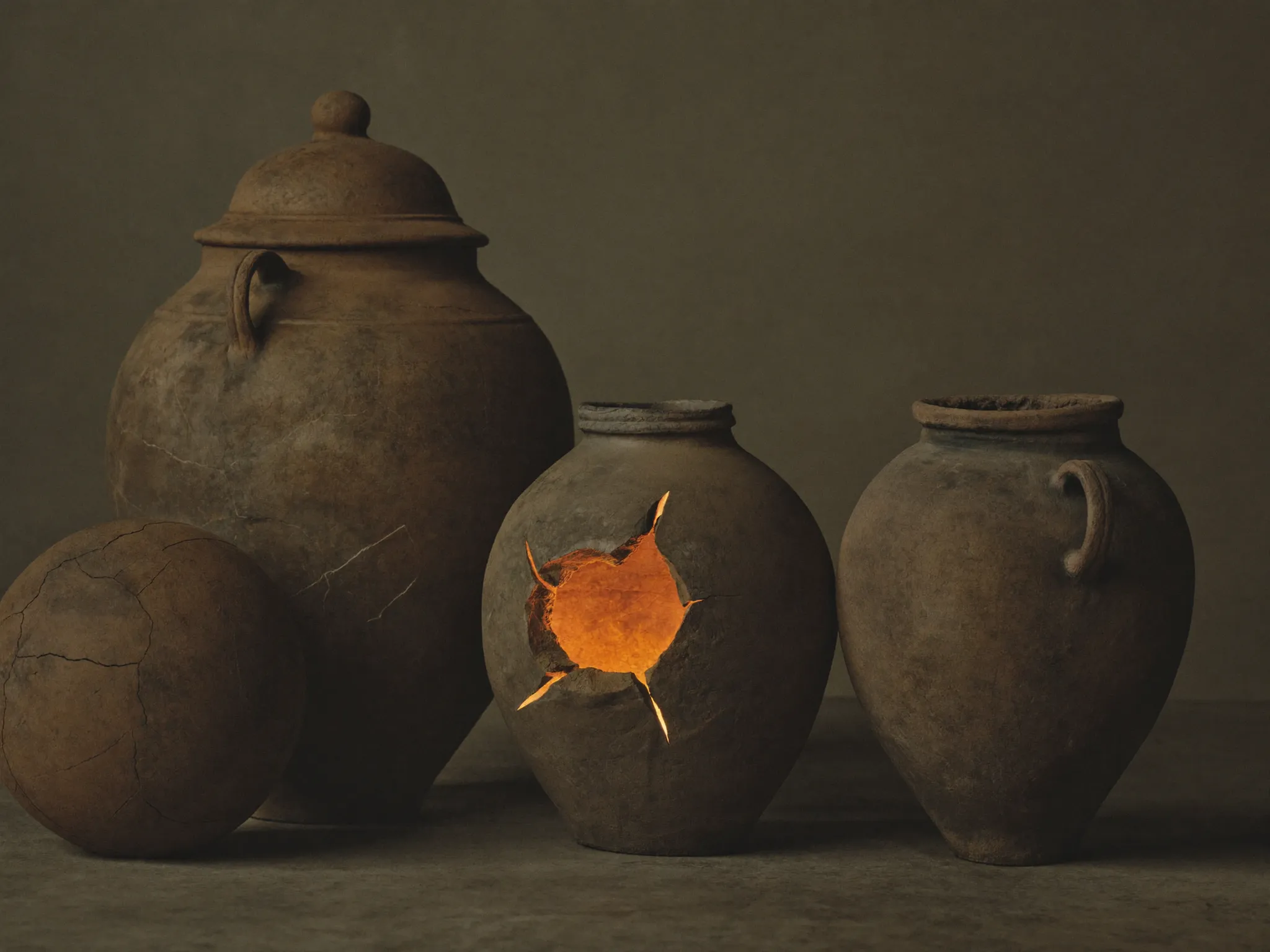
2 করিন্থীয় 8 — যদিও তিনি ধনী ছিলেন, তবু তোমাদের জন্য গরিব হলেন
পৌল মাকিদনিয়ার মণ্ডলীগুলিকে দৃষ্টান্ত হিসেবে তুলে ধরেন: ক্লেশের মহা পরীক্ষায় তাদের আনন্দের প্রাচুর্য ও গভীর দারিদ্র্য তাদের দানশীলতার ধনে উপচে পড়েছিল — নিজেদের সামর্থ্যের অতিরিক্ত দিয়েছিল, স্বেচ্ছায়, কিন্তু প্রথমে নিজেদেরকেই প্রভুকে দিয়েছিল। তিনি করিন্থীয়দের অনুরোধ করেন যিরূশালেমের পবিত্র লোকেদের জন্য চাঁদা সংগ্রহ সম্পূর্ণ করতে, এই অনুগ্রহেও উপচে পড়তে। সর্বোচ্চ প্রেরণা: তোমরা আমাদের প্রভু যীশু খ্রিস্টের অনুগ্রহ জানো, যদিও তিনি ধনী ছিলেন, তবু তোমাদের জন্য গরিব হলেন, যেন তোমরা তাঁর দারিদ্র্যের মাধ্যমে ধনী হতে পার। দান মাপা হয় ইচ্ছুকতা ও অনুপাতে — যেন সমতা থাকে — আর পরিচালিত হয় নিখুঁত সততায়, ঈশ্বর ও মানুষের দৃষ্টিতে যা সৎ তার ব্যবস্থা করে।
“তোমরা আমাদের প্রভু যীশু খ্রীষ্টের অনুগ্রহের কথা জানো, যদিও তিনি ধনী ছিলেন, তোমাদের জন্য গরিব হলেন, সুতরাং তোমরা যেন তাঁর দারিদ্রতাই ধনী হতে পার।”
— 2 করিন্থীয় 8:9
- v.1-8 মাকিদনীয় দানশীলতার দৃষ্টান্ত
- v.9 প্রভু যীশু খ্রিস্টের অনুগ্রহ
- v.10-24 ইচ্ছুকতা ও সততায় চাঁদা সংগ্রহ সম্পূর্ণ করা
ক্রমটাই সবকিছু: প্রথমে নিজেরা, তারপর তাদের টাকা। যে দান মানিব্যাগ থেকে শুরু হয়, তা জনহিতৈষণা; যে দান নিজেকে দেওয়া থেকে শুরু হয়, তা উপাসনা। ঈশ্বর উপহারের আগে দাতাকে চান।
যেখানে নিজেকে দেওয়া হয়েছে, বাকি সব জোর না করেই অনুসরণ করে। ভাণ্ডাররক্ষণের অধিকাংশ সমস্যাই প্রভুত্বের সমস্যা।
অর্থনীতির ভাষায় বলা দেহধারণ। ধনী — অনন্ত মহিমায়, স্বর্গের উপাসনায়; গরিব — যাবপাত্র, ধার করা নৌকা, ধার করা কবর; যেন আমরা তাঁর দারিদ্র্যের মাধ্যমে অনুসন্ধানের অতীত ধনের অধিকারী হই।
পৌল একটি আর্থিক আবেদনকে গভীরতম মতবাদের উপর দাঁড় করান। খ্রিস্টীয় দান তহবিল সংগ্রহের কৌশল নয়, বরং খ্রিস্টের অবতরণের অনুকরণ। তোমরা জানো — যারা এই অনুগ্রহ জানে, তারা মুঠো আঁকড়ে ধরে রাখতে পারে না।
ঈশ্বর দানের মূল্যায়ন করেন ইচ্ছুকতা ও অনুপাতে, মোট অঙ্কে নয়। বিধবার দুটি পয়সা ধনীদের সোনার চেয়ে ভারী হয়েছিল, কারণ তিনি মাপেন এর মূল্য কী পড়ল আর এর অর্থ কী ছিল।
যার নেই তার কাছে তিনি কিছু চান না। ঈশ্বর যা দেন নি, তা কখনো দাবি করেন না। কোনো বিশ্বাসী গ্রহণযোগ্যভাবে দান করার জন্য অতিরিক্ত গরিব নয়; কোনো বিশ্বাসী এত ধনী নয় যে অনিচ্ছুক দান গৃহীত হবে।
পৌল চাঁদা সংগ্রহের মধ্যে আর্থিক দায়বদ্ধতা গেঁথে দিয়েছিলেন — একাধিক বিশ্বস্ত ব্যক্তি, খোলা হিসাবের খাতা (18-23 পদ)। অন্যদের টাকার ভাণ্ডাররক্ষকের জন্য ঈশ্বরের সামনে সততা যথেষ্ট নয়; তা মানুষের কাছেও দৃশ্যমান হতে হবে।
অর্থের অসতর্ক বা গোপন পরিচালনা দিয়ে ঈশ্বরের কাজ কখনো সেবা পায় না। নিন্দার ঊর্ধ্বে থাকা পরিচালনা নিজেই একটি সাক্ষ্য; টাকাপয়সার ব্যাপারে কেলেঙ্কারি প্রায় অন্য যেকোনো কিছুর চেয়ে দ্রুত সুসমাচারকে অবিশ্বাস্য করে।
আপনার দান পর্যালোচনার আগে আপনার নিজেকে-দেওয়া পর্যালোচনা করুন: মাকিদনীয়েরা প্রথমে নিজেদেরকে প্রভুকে দিয়েছিল (5 পদ)। তারপর 9 পদ মাপকাঠি স্থির করুক। প্রশ্নটি "আমাকে কত দিতে হবে?" নয়, বরং "এমন অবতরণের প্রাপক কী করে মুঠো বন্ধ করে বাঁচতে পারে?" স্বেচ্ছায়, অনুপাতে, আর এমন হিসাব রেখে দান করুন যা কেউ দেখলে আপনি খুশিই হবেন।
9 পদ ধন-সম্পদের শব্দভাণ্ডারে বলা সুসমাচার: অনন্তকাল ধনী পুত্র গরিব হলেন — দেহধারণ, অবনমন, ক্রুশ — যেন নিঃস্বদের উত্তরাধিকারী করা হয়। সমস্ত খ্রিস্টীয় উদারতা তাঁর উদারতার একটি পাদটীকা।
এই পাতায় আপনার ভাষায় শাস্ত্রের পাঠ: ইন্ডিয়ান রিভাইজড ভার্সন (IRV), © 2017, 2019 ব্রিজ কানেক্টিভিটি সলিউশনস — কোনো পরিবর্তন ছাড়া এই লাইসেন্সের অধীনে ব্যবহৃত: CC BY-SA 4.0 · eBible.org
ক্লেশ যোগ দারিদ্র্য সমান দানশীলতা — সুসমাচারের অঙ্ক। মাকিদনীয়দের না দেওয়ার সব অজুহাত ছিল, তবু তারা দিল, কারণ উৎস ছিল আনন্দ, উদ্বৃত্ত নয়।
উদারতা আয়ের উপর নির্ভর করে না। অধ্যায়ের গভীরতম দারিদ্র্য জন্ম দিল সবচেয়ে ধনী দান; আনন্দের প্রাচুর্যই ছিল আসল ভাণ্ডার।