ముసాయిదా అనువాదం. మాతృభాషా క్రైస్తవుల సూచనలు స్వాగతం. వాక్య పాఠం KJV (ఆంగ్లం)లో ఉంటుంది.
యోనా 1 — కానీ యోనా పారిపోవడానికి లేచాడు
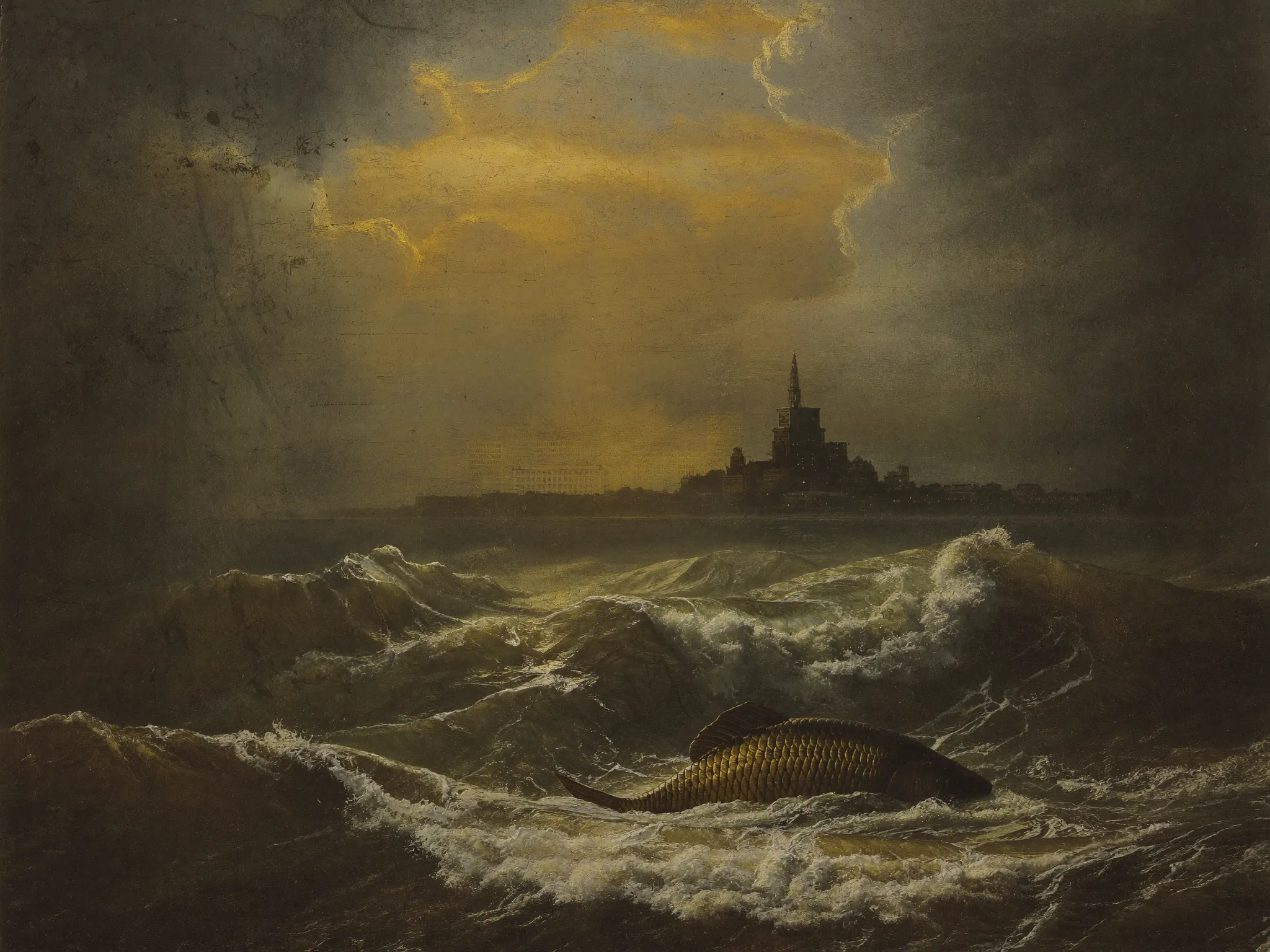
నీనెవెకు వ్యతిరేకంగా ప్రకటించమని దేవుడు యోనాకు ఆజ్ఞాపిస్తాడు. దానికి బదులు యోనా సరిగ్గా వ్యతిరేక దిశలో ఉన్న తర్షీషు వైపు పారిపోతాడు. ఒక గొప్ప తుఫాను ఓడను ప్రమాదంలో పడేస్తుంది. అన్యజనులైన నావికులు తమ తమ దేవుళ్ళకు మొర్రపెడుతుంటే యోనా నిద్రపోతున్నాడు. చీట్లు వేస్తారు; యోనా దొరికిపోతాడు. తాను యెహోవా సన్నిధినుంచి పారిపోతున్నానని అతడు ఒప్పుకుంటాడు. అతని సొంత కోరిక మేరకు అతన్ని సముద్రంలో పడేస్తారు, తుఫాను ఆగిపోతుంది. ఒక పెద్ద చేప అతన్ని మింగుతుంది.
“కానీ యోనా యెహోవా సన్నిధినుంచి పారిపోయి తర్షీషు పట్టణానికి వెళ్ళాలనుకున్నాడు. యొప్పేకు వెళ్లి తర్షీషుకు వెళ్ళే ఒక ఓడ చూశాడు. ప్రయాణానికి డబ్బులిచ్చి, యెహోవా సన్నిధినుంచి దూరంగా తర్షీషు వెళ్లి పోవడానికి ఆ ఓడ ఎక్కాడు.”
— యోనా 1:3
- v.1-3 పిలుపు, పలాయనం
- v.4-10 తుఫాను; నావికుల భయం; యోనా బయటపడటం
- v.11-16 యోనాను సముద్రంలో పడవేయడం; తుఫాను నిమ్మళించడం
- v.17 పెద్ద చేప
ఈ అధ్యాయమంతటా సాగే కిందికి దిగే కదలికను గమనించండి — ఇంగ్లీషు (KJV) పాఠంలో యొప్పేకు దిగి వెళ్ళాడు, అందులోకి దిగాడు, తరువాత సముద్రంలోకి, చేపలోకి కిందికి. అవిధేయత ఎప్పుడూ ఒక పతనమే.
యెహోవా సన్నిధినుంచి. వేదాంతపరంగా యోనాకు ఇంతకంటే బాగా తెలుసు. కీర్తనలు 139:7 — నీ ఆత్మ నుండి నేనెక్కడికి వెళ్ళగలను? నీ సమక్షంలో నుండి నేనెక్కడికి పారిపోగలను? దేవుని కంటే వేగంగా ఎవరూ పారిపోలేరు. అయినా అవిధేయ హృదయం అలా ప్రయత్నిస్తూనే ఉంటుంది.
యెహోవా సముద్రం మీద పెద్ద గాలి వీచేలా చేశాడు. పారిపోతున్న తన ప్రవక్తను దేవుడు ఒక తుఫానుతో వెంటాడాడు. ఆజ్ఞాపించిన అదే దేవుడు సరిదిద్దాడు కూడా. తన సేవకుని అవిధేయత అడ్డు లేకుండా సాగిపోవడానికి ఆయన అనుమతించలేదు.
మారువేషంలో వచ్చిన ఒక కనికరం. యోనాను భయపెట్టిన తుఫాను, అతడు తన పిలుపు నుండి తప్పించుకోడానికి దేవుడు ఒప్పుకోకపోవడమే. కొన్నిసార్లు విశ్వాసి జీవితంలోని తుఫానులు పారిపోయినవాడి వెంట దేవుడు చేసే వెంబడింపే.
ఒక ఆశ్చర్యకరమైన వ్యత్యాసం. అన్యజనులైన నావికులు ప్రార్థిస్తున్నారు; ప్రవక్త నిద్రపోతున్నాడు. విజ్ఞాపన చేయవలసిన మనిషి ఓడ లోపలి భాగంలో స్పృహ లేకుండా పడి ఉన్నాడు. అవిధేయత ఆత్మీయ ఇంద్రియాలను మొద్దుబారుస్తుంది.
తుఫాను మధ్యలో నిద్రపోతున్న ప్రవక్త, మరొక తుఫానులో నిద్రపోయిన క్రీస్తుకు ముందుచూపు; ఆయన తండ్రి చిత్తంలో ఉన్నాడు కాబట్టి శాంతితో నిద్రపోయాడు (మార్కు 4:38). యోనా పారిపోతూ నిద్రపోయాడు; క్రీస్తు విశ్వాసంతో నిద్రపోయాడు. ఒకే భంగిమ, వ్యతిరేక హృదయాలు.
చివరకు యోనా బాధ్యత తీసుకుంటాడు. నా కారణంగానే ఈ గొప్ప తుఫాను మీ మీదికి వచ్చింది. నావికులను కాపాడడానికి తనను ఓడ నుంచి పడవేయమని తనను తాను అప్పగించుకుంటాడు.
క్రీస్తుకు ఒక మసక ఛాయ. ఇతరులు రక్షణ పొందాలని ఒక మనిషి అగాధంలోకి పడవేయబడ్డాడు. కానీ యోనా దోషి, క్రీస్తు నిర్దోషి; యోనా తన సొంత పాపం వల్ల పడవేయబడ్డాడు, క్రీస్తు ఇతరుల పాపం కోసం తనను తాను అర్పించుకున్నాడు. నీడ ఒక గొప్ప వాస్తవం వైపు చూపిస్తుంది.
అన్యజనులైన నావికులు మారుమనస్సు పొందుతారు. ఈ అధ్యాయాన్ని వాళ్ళు తమ సొంత దేవుళ్ళకు మొర్రపెడుతూ మొదలుపెట్టారు; యెహోవాకు భయపడుతూ, బలులు అర్పిస్తూ, మొక్కుబళ్లు చేస్తూ ముగించారు. యోనా అవిధేయత కూడా దేవుని సంకల్పంలో అన్యజనుల మార్పుకు ఒక సందర్భంగా మారింది.
ఈ గ్రంథంలోని ఒక ముఖ్యాంశం — దేవుని కనికరం అన్యజనులను చేరుతుంది. ఇక్కడ నావికులు, 3వ అధ్యాయంలో నీనెవె ప్రజలు. అయిష్టంగా ఉన్న ప్రవక్త తాను అడ్డుకోవాలని చూసిన మారుమనస్సులనే మళ్ళీ మళ్ళీ కలిగిస్తూ ఉంటాడు.
ఒక పెద్ద చేప యోనాను మింగడానికి యెహోవా నియమించాడు. ఆ చేప శిక్ష కాదు, విడుదల. అది లేకపోతే యోనా మునిగిపోయేవాడు. దేవుని ఏర్పాటు తరచుగా భయపెట్టే రూపాల్లో వస్తుంది.
యేసు దీన్ని తన మరణానికి, పునరుత్థానానికి గొప్ప సూచనగా చేశాడు — యోనా మూడు రాత్రింబగళ్ళు పెద్ద చేప కడుపులో ఎలా ఉన్నాడో అలాగే మనుష్యకుమారుడు మూడు రాత్రింబగళ్ళు భూగర్భంలో ఉంటాడు (మత్తయి 12:40). చేప కడుపు సమాధికి ముందుచూపు.
ఒక స్పష్టమైన బాధ్యత నుండి మీరు ఎక్కడ పారిపోతున్నారు? దేవుడు ఏం కోరుతున్నాడో యోనాకు సరిగ్గా తెలుసు, అయినా అతడు వ్యతిరేక దిశలో వెళ్ళాడు. తుఫాను అతన్ని నాశనం చేయడానికి కాదు, అతన్ని వెనక్కి తిప్పడానికి వచ్చింది. ఇప్పుడు మీ జీవితం ఒక తుఫానులా అనిపిస్తే, నిజాయితీగా అడగండి — మీరు వెళ్ళడానికి నిరాకరించిన నీనెవె ఏదైనా ఉందా? కొన్నిసార్లు తుఫాను నుండి బయటపడే మార్గం పిలుపు నుండి పారిపోవడం ఆపడమే.
ఆ తరానికి తాను ఇచ్చే ఏకైక సూచన యోనాయే అని యేసు చెప్పాడు. చేపలో గడిపిన మూడు రోజులు సమాధిలో ఆయన గడిపిన మూడు రోజులకు ముందుచూపు. కానీ పోలిక ఎంత ముఖ్యమో వ్యత్యాసం కూడా అంతే ముఖ్యం — యోనా తన సొంత అవిధేయత వల్ల కిందికి వెళ్ళాడు; క్రీస్తు మన అవిధేయత కోసం కిందికి వెళ్ళాడు. యోనా అయిష్టంగా ఉన్న ప్రవక్త; క్రీస్తు ఇష్టపూర్వకంగా తనను తాను అర్పించుకున్నాడు. అయిష్టంగా ఉన్న ప్రవక్త ఇష్టపూర్వకంగా వచ్చిన రక్షకుని వైపు చూపిస్తాడు.
ఈ పేజీలో మీ భాషలోని లేఖన పాఠం: ఇండియన్ రివైజ్డ్ వెర్షన్ (IRV), © 2017, 2019 బ్రిడ్జ్ కనెక్టివిటీ సొల్యూషన్స్ — మార్పులు లేకుండా ఈ లైసెన్స్ క్రింద ఉపయోగించబడింది: CC BY-SA 4.0 · eBible.org
ఇశ్రాయేలుకు అత్యంత భయంకరమైన శత్రువుకు ప్రకటించమని దేవుడు ఒక హెబ్రీ ప్రవక్తను పంపుతాడు. నీనెవె, అష్షూరు దేశపు ఒక మహా పట్టణం (తరువాత ఆ సామ్రాజ్యానికి రాజధాని అయింది), అష్షూరు పేరుమోసిన క్రూరత్వంతో ముడిపడి ఉంది. యోనా అయిష్టత పిరికితనం కాదు — వాళ్ళకు కనికరం దొరుకుతుందేమో అనే అవకాశం పట్ల అతనికున్న అసూయ, కోపమే అని 4వ అధ్యాయం బయటపెడుతుంది.
దేవుని శ్రద్ధ నిబంధన ప్రజలను దాటి అన్యజనుల దేశాల వరకూ చేరుతుంది. దేవుని కనికరం తమ సొంత వాళ్ళకే పరిమితం కావాలని కోరుకునే సంకుచితత్వానికి యోనా గ్రంథం మొత్తం ఒక గద్దింపు.