வரைவு மொழிபெயர்ப்பு. தாய்மொழி கிறிஸ்தவர்களின் திருத்தங்கள் வரவேற்கப்படுகின்றன. வசன உரை KJV (ஆங்கிலம்)-ல் இருக்கும்.
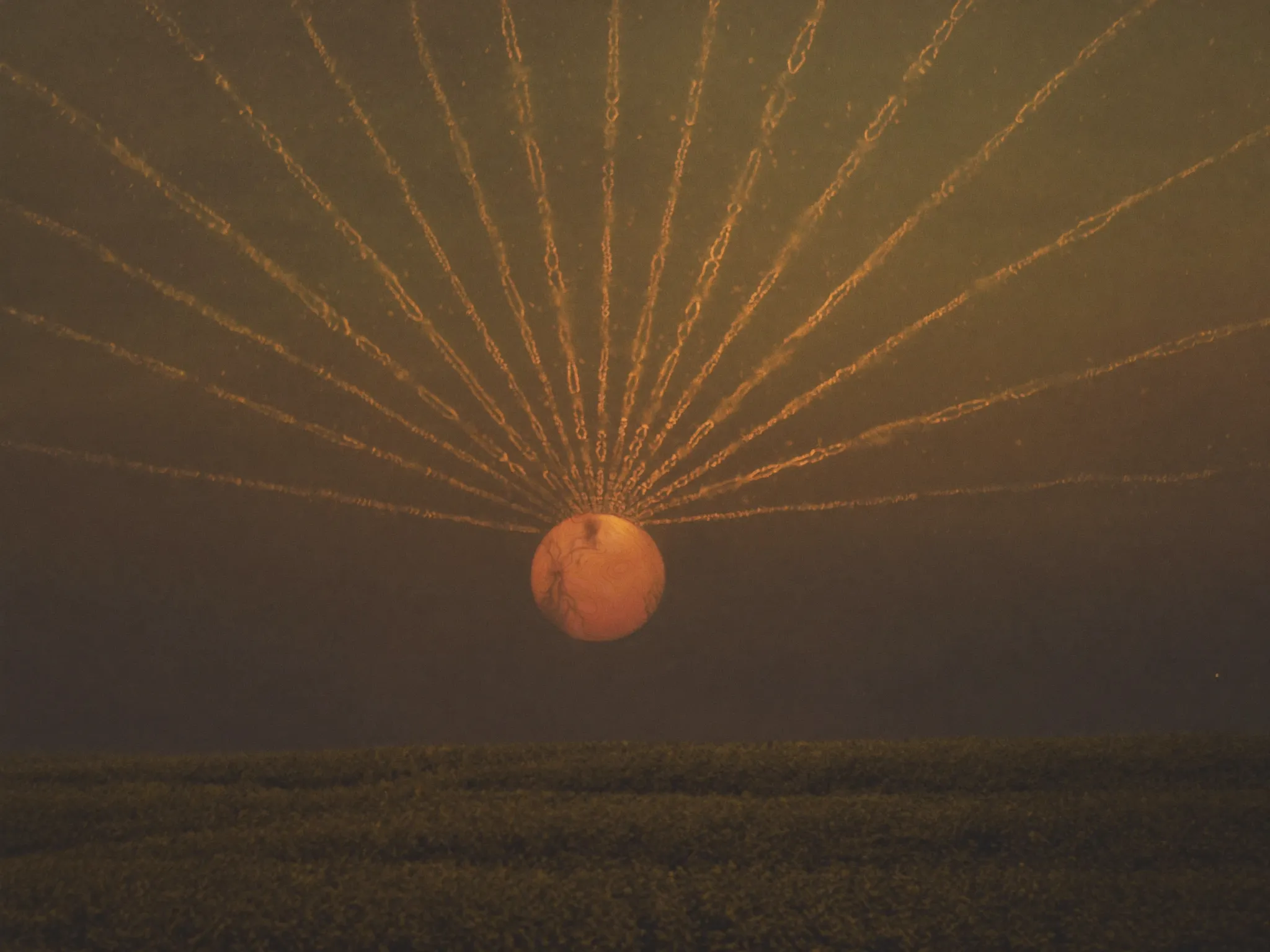
மல்கியா 4 — நீதியின் சூரியன் உதிக்கும்
யெகோவாவின் நாள் சூளையைப்போல எரிந்துகொண்டு வருகிறது. அகங்காரிகளும் துன்மார்க்கரும் காய்ந்த இலைகளைப்போல இருக்கிறார்கள். ஆனால் தேவனுடைய நாமத்திற்குப் பயந்திருக்கிறவர்கள்மேல் நீதியின் சூரியன் உதிக்கிறது; அதின் இறக்கையின்கீழ் ஆரோக்கியம் இருக்கிறது. மோசேயின் நியாயப்பிரமாணத்தை நினையுங்கள். இதோ, யெகோவாவுடைய பெரிதும் பயங்கரமுமான நாளுக்கு முன்னே தேவன் எலியா தீர்க்கதரிசியை அனுப்புவார். பழைய ஏற்பாட்டின் கடைசி வார்த்தைகள் ஓர் எச்சரிக்கையோடும் ஒரு வாக்குத்தத்தத்தோடும் முடிகின்றன — அதன்பின் நானூறு வருட மௌனம் தொடர்கிறது.
“ஆனாலும் என் நாமத்திற்குப் பயந்திருக்கிற உங்கள்மேல் நீதியின் சூரியன் உதிக்கும்; அதின் இறக்கையின்கீழ் ஆரோக்கியம் இருக்கும்; நீங்கள் வெளியே புறப்பட்டுப்போய், கொழுத்த கன்றுகளைப்போல வளருவீர்கள்.”
— மல்கியா 4:2
- v.1 துன்மார்க்கருக்கு எரியும் நாள்
- v.2-3 தேவபக்தியுள்ளவர்களுக்கு நீதியின் சூரியன்
- v.4 மோசேயின் நியாயப்பிரமாணத்தை நினையுங்கள்
- v.5-6 எலியாவின் வருகை
நீதியின் சூரியன். கிறிஸ்துவைக் குறிப்பதாகப் பரவலாகப் புரிந்துகொள்ளப்படும் ஒரு பட்டம் — நீண்ட இரவுக்குப்பின் உதிக்கும் ஒளி, நீதியையும் ஆரோக்கியத்தையும் கொண்டுவருவது. உதிக்கும் சூரியனின் படம், இருளை உடைக்கும் மனுவுருவாதலைச் சித்தரிக்கிறது.
அதின் இறக்கையின்கீழ் ஆரோக்கியம். இறக்கை என்பதற்கான எபிரெயச் சொல் ஆடையின் ஓரம் அல்லது தொங்கல் என்றும் பொருள்படும். கிறிஸ்துவின் ஆடையின் தொங்கலைத் தொட்டுச் சுகமடைந்த ஸ்திரீ (மத்தேயு 9:20-22) இந்தப் படத்தின் வேண்டுமென்றே அமைந்த நிறைவேறுதலாக இருக்கலாம் — அவருடைய இறக்கையின்/தொங்கலின்கீழ் ஆரோக்கியம்.
கொழுத்த கன்றுகளைப்போல வளருவீர்கள். தொழுவத்திலிருந்து திறந்த வெளிக்கு விடுவிக்கப்பட்ட இளம் கன்றுகளின் மகிழ்ச்சியான துள்ளல். உதிக்கும் சூரியனால் சுகமடைந்தவர்களின் விடுதலையும் உற்சாகமும்.
பழைய ஏற்பாடு முடியும்போது, தொடக்கத்தில் கொடுக்கப்பட்ட நியாயப்பிரமாணத்தை நினைக்கும்படியான அழைப்பு. மோசேமுதல் மல்கியாவரையிலான முழுக் காலமும் இந்த வார்த்தையால் சூழப்பட்டிருக்கிறது — நினையுங்கள். வரவிருந்த மௌன நூற்றாண்டுகளில் எழுதப்பட்ட வார்த்தையே நங்கூரமாயிருக்கவேண்டும்.
மல்கியாவுக்குப் பின் நானூறு வருடங்களுக்குத் தீர்க்கதரிசி இருக்கமாட்டான். மக்களுக்குப் பற்றிக்கொள்ள எழுதப்பட்ட வார்த்தை மட்டுமே இருக்கும். நியாயப்பிரமாணத்தை ... நினையுங்கள் என்பது அந்த மௌனத்திற்கான தேவனுடைய ஏற்பாடு. ஜீவனுள்ள குரல் நின்றுபோகும்போது, எழுதப்பட்ட வார்த்தை நிலைத்திருக்கிறது.
பழைய ஏற்பாட்டின் இறுதித் தீர்க்கதரிசனம் — எலியாவின் வருகை. யோவான் ஸ்நானகனே ஆவியில் இதன் நிறைவேறுதல் என்று இயேசு அடையாளம் காட்டினார் — நீங்கள் ஏற்றுக்கொள்ள மனதாயிருந்தால், வருகிறவனாகிய எலியா இவன்தான் (மத்தேயு 11:14).
பழைய ஏற்பாடு ஒரு முன்னோடியை எதிர்நோக்கியபடி முடிகிறது. நான்கு நூற்றாண்டு மௌனத்திற்குப்பின் கேட்கும் அடுத்த குரல், வனாந்தரத்தில் கூப்பிட்டுக் கிறிஸ்துவுக்கு வழியை ஆயத்தம்பண்ணும் யோவான் ஸ்நானகனுடையது. மல்கியாவின் கடைசித் தீர்க்கதரிசனம் நற்செய்திகளின் தொடக்கத்தோடு நேரடியாக இணைகிறது.
பழைய ஏற்பாட்டின் கடைசி வசனம். வரவிருக்கும் எலியாவின் பணி — தகப்பன்களையும் பிள்ளைகளையும் ஒப்புரவாக்குவது, உடைந்த குடும்பத்தைச் சீர்ப்படுத்துவது. ஆண்டவரின் வருகைக்கு ஆயத்தமாவதில் உறவுகளை மீட்டெடுத்தல் மையமானது.
நான் வந்து பூமியை அழிக்காமலிருக்க. ஆங்கில (KJV) பாடத்தில் பழைய ஏற்பாடு சாபம் என்ற வார்த்தையோடு முடிகிறது. ஆதியாகமம் 3-ன் சாபம்முதல் மல்கியா 4:6-ல் எச்சரிக்கப்பட்ட சாபம்வரை, பழைய ஏற்பாடு முழுவதும் நமக்காகச் சாபமாகி (கலாத்தியர் 3:13) அதை நீக்கப்போகிறவருக்காகக் காத்திருக்கிறது. பழைய ஏற்பாட்டின் இறுதி வார்த்தை புதிய ஏற்பாட்டின் முழுத் தேவையையும் நிலைநாட்டுகிறது.
பழைய ஏற்பாடு உதிக்கும் சூரியனைச் சுட்டிக்காட்டியபடி முடிகிறது. நீங்கள் தேவனுடைய நாமத்திற்குப் பயந்திருந்தால், அந்த நீதியின் சூரியன் தம்முடைய இறக்கையின்கீழ் ஆரோக்கியத்தோடு உங்கள்மேல் உதித்திருக்கிறார். மல்கியா வாக்களித்த ஆரோக்கியம் இப்போதே கிடைக்கிறது — உடைந்த சரீரத்திற்கு, உடைந்த குடும்பத்திற்கு, உடைந்த இருதயத்திற்கு. புறப்பட்டுப்போய், தொழுவத்திலிருந்து விடுவிக்கப்பட்ட கன்றைப்போலத் துள்ளுங்கள். விடியல் வந்துவிட்டது.
மல்கியா 4:2 கிறிஸ்துவைத் தம்முடைய இறக்கையின்கீழ் ஆரோக்கியத்தோடு உதிக்கும் நீதியின் சூரியன் என்று பெயரிடுகிறது — யோவான் ஸ்நானகனின் பிறப்பின்போது சகரியா இதையே மறைமுகமாகக் குறிப்பிட்டிருக்கலாம்: உன்னதத்திலிருந்து தோன்றிய சூரியன் நம்மிடம் வந்திருக்கிறது (லூக்கா 1:78). பழைய ஏற்பாடு வாக்களிக்கப்பட்ட சூரிய உதயத்தோடும் எச்சரிக்கப்பட்ட சாபத்தோடும் முடிகிறது. புதிய ஏற்பாடு சூரியன் உதிப்பதோடு திறக்கிறது — மல்கியா 4:6-ல் எச்சரிக்கப்பட்ட அடி நம்மேல் அல்ல, தம்மேல் விழும்படி கிறிஸ்து சாபத்தைச் சுமப்பார் (கலாத்தியர் 3:13). ஆங்கில (KJV) பாடத்தில் பழையதின் கடைசி வார்த்தையாகிய சாபம், புதியதின் முதல் கிரியையில் தன் பதிலைக் கண்டடைகிறது.
இந்தப் பக்கத்தில் உங்கள் மொழியிலுள்ள வேத உரை: இந்தியன் ரிவைஸ்டு வெர்ஷன் (IRV), © 2017, 2019 பிரிட்ஜ் கனெக்டிவிட்டி சொல்யூஷன்ஸ் — மாற்றமின்றி இந்த உரிமத்தின் கீழ் பயன்படுத்தப்பட்டது: CC BY-SA 4.0 · eBible.org
யெகோவாவின் நாள் ஒரு சூளையாகச் சித்தரிக்கப்படுகிறது. துன்மார்க்கர் காய்ந்த இலைகள் — உலர்ந்தவை, பயனற்றவை, உடனே எரிந்துபோகிறவை. வேரையும் கிளையையும் வைக்காமற்போகும் — முழுமையான அழிவு; அவர்களுடைய அகந்தையில் எதுவும் மீதியாயிருப்பதில்லை.
துன்மார்க்கரை எரிக்கும் அதே நெருப்பு நீதிமான்களைச் சுத்திகரிப்பதாக வேறொரு இடத்தில் விவரிக்கப்படுகிறது (மல்கியா 3:2-3). யெகோவாவின் நாள் ஒரே நிகழ்வு; ஒருவர் எந்தப் பக்கம் இருக்கிறார் என்பதைப் பொறுத்து இரண்டு விதமாக அனுபவிக்கப்படுகிறது.