ಕರಡು ಅನುವಾದ. ಮಾತೃಭಾಷಾ ಕ್ರೈಸ್ತರ ತಿದ್ದುಪಡಿಗಳಿಗೆ ಸ್ವಾಗತ. ವಚನ ಪಠ್ಯ KJV (ಇಂಗ್ಲಿಷ್)ನಲ್ಲಿರುತ್ತದೆ.
ಮಲಾಕಿಯನು 4 — ನೀತಿಯ ಸೂರ್ಯನು ಮೂಡುವನು
ಯೆಹೋವನ ದಿನವು ಒಲೆಯಂತೆ ಉರಿಯುತ್ತಾ ಬರುತ್ತದೆ. ಅಹಂಕಾರಿಗಳೂ ದುಷ್ಟರೂ ಒಣಹುಲ್ಲು. ಆದರೆ ದೇವರ ನಾಮದಲ್ಲಿ ಭಯಭಕ್ತಿಯಿಟ್ಟವರಿಗೆ ನೀತಿಯ ಸೂರ್ಯನು ಸ್ವಸ್ಥತೆಯನ್ನು ತರುತ್ತಾ ಮೂಡುತ್ತಾನೆ. ಮೋಶೆಯ ಧರ್ಮಶಾಸ್ತ್ರವನ್ನು ಜ್ಞಾಪಕಮಾಡಿಕೊಳ್ಳಿರಿ. ಇಗೋ, ಯೆಹೋವನ ಭಯಂಕರವಾದ ಮಹಾದಿನಕ್ಕೆ ಮೊದಲು ದೇವರು ಪ್ರವಾದಿಯಾದ ಎಲೀಯನನ್ನು ಕಳುಹಿಸುವನು. ಹಳೆಯ ಒಡಂಬಡಿಕೆಯ ಕೊನೆಯ ಮಾತುಗಳು ಒಂದು ಎಚ್ಚರಿಕೆ ಮತ್ತು ಒಂದು ವಾಗ್ದಾನದೊಂದಿಗೆ ಮುಕ್ತಾಯವಾಗುತ್ತವೆ — ಮತ್ತು ನಾನೂರು ವರ್ಷಗಳ ಮೌನ ಹಿಂಬಾಲಿಸುತ್ತದೆ.
“ನನ್ನ ನಾಮದಲ್ಲಿ ಭಯಭಕ್ತಿಯಿಟ್ಟಿರುವ ನಿಮಗೋ ದೇವರ ಧರ್ಮವೆಂಬ ಸೂರ್ಯನು ಸ್ವಸ್ಥತೆಯನ್ನುಂಟುಮಾಡುವ ಕಿರಣಗಳುಳ್ಳವನಾಗಿ ಮೂಡುವನು; ಕೊಟ್ಟಿಗೆಯಿಂದ ಬಿಟ್ಟ ಕರುಗಳಂತೆ ನೀವು ಹೊರಟು ಬಂದು ಕುಣಿದಾಡುವಿರಿ; ದುಷ್ಟರನ್ನು ತುಳಿದುಬಿಡುವಿರಿ.”
— ಮಲಾಕಿಯನು 4:2
- v.1 ದುಷ್ಟರಿಗೆ ಉರಿಯುವ ದಿನ
- v.2-3 ಭಕ್ತರಿಗೆ ನೀತಿಯ ಸೂರ್ಯನು
- v.4 ಮೋಶೆಯ ಧರ್ಮಶಾಸ್ತ್ರವನ್ನು ಜ್ಞಾಪಕಮಾಡಿಕೊಳ್ಳಿರಿ
- v.5-6 ಎಲೀಯನ ಆಗಮನ
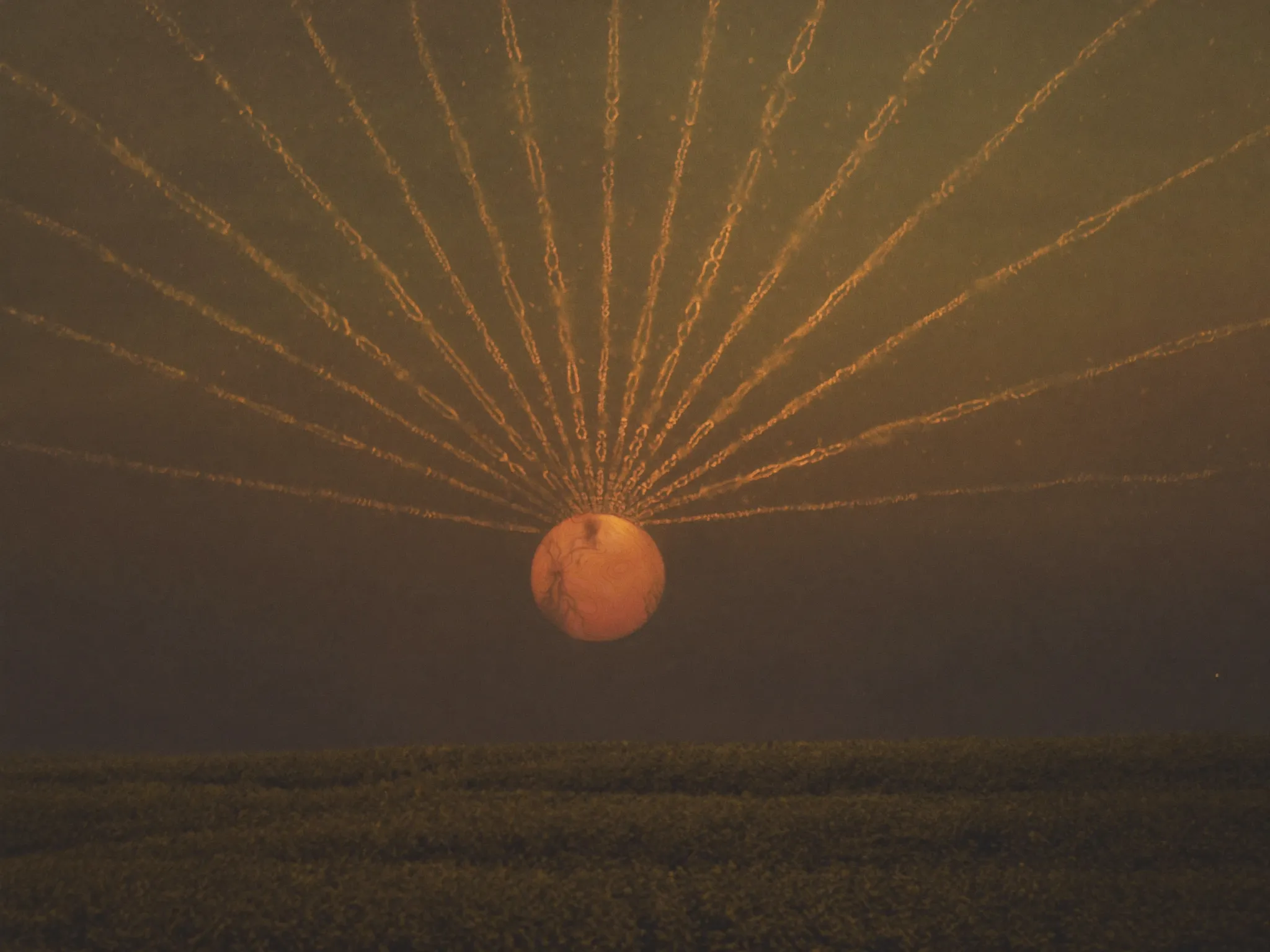
ನೀತಿಯ ಸೂರ್ಯನು. ಕ್ರಿಸ್ತನನ್ನು ಸೂಚಿಸುತ್ತದೆಂದು ವ್ಯಾಪಕವಾಗಿ ಅರ್ಥಮಾಡಿಕೊಳ್ಳಲಾದ ಬಿರುದು — ದೀರ್ಘ ರಾತ್ರಿಯ ನಂತರದ ಉದಯದ ಬೆಳಕು, ನೀತಿ ಮತ್ತು ಸ್ವಸ್ಥತೆಯನ್ನು ತರುವವನು. ಸೂರ್ಯನು ಮೂಡುವ ಚಿತ್ರವು ದೇಹಧಾರಣೆಯು ಕತ್ತಲನ್ನು ಭೇದಿಸುವುದನ್ನು ಹಿಡಿದಿಡುತ್ತದೆ.
ಇಂಗ್ಲಿಷ್ (KJV) ಪಠ್ಯದಲ್ಲಿ ಆತನ ರೆಕ್ಕೆಗಳಲ್ಲಿ ಸ್ವಸ್ಥತೆ. ರೆಕ್ಕೆಗಳು ಎಂಬುದಕ್ಕೆ ಇಬ್ರಿಯ ಪದವು ವಸ್ತ್ರದ ಅಂಚು ಅಥವಾ ಸೆರಗು ಎಂಬ ಅರ್ಥವನ್ನೂ ಹೊಂದಿದೆ. ಕ್ರಿಸ್ತನ ವಸ್ತ್ರದ ಅಂಚನ್ನು ಮುಟ್ಟಿ ಸ್ವಸ್ಥಳಾದ ಸ್ತ್ರೀಯು (ಮತ್ತಾಯನು 9:20-22) ಈ ಚಿತ್ರದ ಉದ್ದೇಶಪೂರ್ವಕ ನೆರವೇರಿಕೆಯಾಗಿರಬಹುದು — ಆತನ ರೆಕ್ಕೆಗಳಲ್ಲಿ/ಸೆರಗಿನಲ್ಲಿ ಸ್ವಸ್ಥತೆ.
ಕೊಟ್ಟಿಗೆಯಿಂದ ಬಿಟ್ಟ ಕರುಗಳಂತೆ ಕುಣಿದಾಡುವಿರಿ. ಕೊಟ್ಟಿಗೆಯಿಂದ ಬಯಲಿಗೆ ಬಿಡಲ್ಪಟ್ಟ ಎಳೆಯ ಪ್ರಾಣಿಗಳ ಆನಂದದ ನೆಗೆತ. ಮೂಡುವ ಸೂರ್ಯನಿಂದ ಸ್ವಸ್ಥರಾದವರ ಸ್ವಾತಂತ್ರ್ಯ ಮತ್ತು ಚೈತನ್ಯ.
ಹಳೆಯ ಒಡಂಬಡಿಕೆ ಮುಕ್ತಾಯವಾಗುತ್ತಿರುವಾಗ, ಆರಂಭದಲ್ಲಿ ಕೊಡಲ್ಪಟ್ಟ ಧರ್ಮಶಾಸ್ತ್ರವನ್ನು ಜ್ಞಾಪಕಮಾಡಿಕೊಳ್ಳುವ ಕರೆ. ಮೋಶೆಯಿಂದ ಮಲಾಕಿಯನವರೆಗಿನ ಇಡೀ ಅವಧಿಯು ಒಂದೇ ಮಾತಿನಲ್ಲಿ ಬಂಧಿತವಾಗಿದೆ — ಜ್ಞಾಪಕಮಾಡಿಕೊಳ್ಳಿರಿ. ಬರಲಿದ್ದ ಮೌನ ಶತಮಾನಗಳುದ್ದಕ್ಕೂ ಲಿಖಿತ ವಾಕ್ಯವೇ ಲಂಗರಾಗಬೇಕಿತ್ತು.
ಮಲಾಕಿಯನ ನಂತರ ನಾನೂರು ವರ್ಷಗಳ ಕಾಲ ಯಾವ ಪ್ರವಾದಿಯೂ ಇರಲಿಲ್ಲ. ಹಿಡಿದುಕೊಳ್ಳಲು ಜನರಿಗೆ ಲಿಖಿತ ವಾಕ್ಯ ಮಾತ್ರ ಇರುತ್ತಿತ್ತು. ಧರ್ಮಶಾಸ್ತ್ರವನ್ನು ಜ್ಞಾಪಕಮಾಡಿಕೊಳ್ಳಿರಿ ಎಂಬುದು ಮೌನಕ್ಕಾಗಿ ದೇವರು ಮಾಡಿದ ಏರ್ಪಾಡಾಗಿತ್ತು. ಜೀವಂತ ಧ್ವನಿ ನಿಂತಾಗ ಲಿಖಿತ ವಾಕ್ಯ ಉಳಿಯುತ್ತದೆ.
ಹಳೆಯ ಒಡಂಬಡಿಕೆಯ ಕೊನೆಯ ಪ್ರವಾದನೆ — ಎಲೀಯನ ಆಗಮನ. ಯೇಸು ಸ್ನಾನಿಕನಾದ ಯೋಹಾನನನ್ನು ಆತ್ಮದಲ್ಲಿ ಇದರ ನೆರವೇರಿಕೆ ಎಂದು ಗುರುತಿಸಿದನು — ನಿಮಗೆ ತಿಳಿದುಕೊಳ್ಳುವುದಕ್ಕೆ ಮನಸ್ಸಿದ್ದರೆ ಗಮನಿಸಿ ಬರತಕ್ಕ ಎಲೀಯನು ಇವನೇ (ಮತ್ತಾಯನು 11:14).
ಹಳೆಯ ಒಡಂಬಡಿಕೆಯು ಮುಂದಾಳನೊಬ್ಬನನ್ನು ನಿರೀಕ್ಷಿಸುತ್ತಾ ಕೊನೆಗೊಳ್ಳುತ್ತದೆ. ನಾಲ್ಕು ಶತಮಾನಗಳ ಮೌನದ ನಂತರದ ಮುಂದಿನ ಧ್ವನಿಯು ಅರಣ್ಯದಲ್ಲಿ ಕೂಗುತ್ತಾ ಕ್ರಿಸ್ತನಿಗಾಗಿ ದಾರಿ ಸಿದ್ಧಮಾಡುವ ಸ್ನಾನಿಕನಾದ ಯೋಹಾನನದಾಗಿರಲಿತ್ತು. ಮಲಾಕಿಯನ ಕೊನೆಯ ಪ್ರವಾದನೆಯು ಸುವಾರ್ತೆಗಳ ಆರಂಭಕ್ಕೆ ನೇರವಾಗಿ ಜೋಡಣೆಯಾಗುತ್ತದೆ.
ಹಳೆಯ ಒಡಂಬಡಿಕೆಯ ಕೊನೆಯ ವಚನ. ಬರಲಿರುವ ಎಲೀಯನ ಕೆಲಸ — ತಂದೆಗಳನ್ನೂ ಮಕ್ಕಳನ್ನೂ ಸಮಾಧಾನಪಡಿಸುವುದು, ಒಡೆದ ಕುಟುಂಬವನ್ನು ಸ್ವಸ್ಥಮಾಡುವುದು. ಸಂಬಂಧಗಳ ಪುನಃಸ್ಥಾಪನೆಯು ಕರ್ತನ ಆಗಮನಕ್ಕೆ ಸಿದ್ಧವಾಗುವುದರ ಕೇಂದ್ರ.
ನಾನು ಬಂದು ದೇಶವನ್ನು ಶಾಪದಿಂದ ಹತಮಾಡದಂತೆ. ಇಂಗ್ಲಿಷ್ (KJV) ಪಠ್ಯದಲ್ಲಿ ಹಳೆಯ ಒಡಂಬಡಿಕೆಯು ಶಾಪ ಎಂಬ ಪದದೊಂದಿಗೆ ಮುಕ್ತಾಯವಾಗುತ್ತದೆ. ಆದಿಕಾಂಡ 3ರ ಶಾಪದಿಂದ ಮಲಾಕಿಯನು 4:6ರ ಬೆದರಿಕೆಯ ಶಾಪದವರೆಗೆ, ಇಡೀ ಹಳೆಯ ಒಡಂಬಡಿಕೆಯು ಅದನ್ನು ತೆಗೆದುಹಾಕಲು ನಮಗಾಗಿ ಶಾಪವಾಗುವವನಿಗಾಗಿ (ಗಲಾತ್ಯದವರಿಗೆ 3:13) ಕಾಯುತ್ತದೆ. ಹಳೆಯ ಒಡಂಬಡಿಕೆಯ ಕೊನೆಯ ಮಾತು ಹೊಸದರ ಸಂಪೂರ್ಣ ಅಗತ್ಯವನ್ನು ಸ್ಥಾಪಿಸುತ್ತದೆ.
ಹಳೆಯ ಒಡಂಬಡಿಕೆಯು ಮೂಡುವ ಸೂರ್ಯನ ಕಡೆಗೆ ತೋರಿಸುತ್ತಾ ಮುಕ್ತಾಯವಾಗುತ್ತದೆ. ನೀವು ದೇವರ ನಾಮದಲ್ಲಿ ಭಯಭಕ್ತಿಯಿಟ್ಟಿದ್ದರೆ, ಆ ನೀತಿಯ ಸೂರ್ಯನು ಸ್ವಸ್ಥತೆಯನ್ನು ತರುತ್ತಾ ನಿಮ್ಮ ಮೇಲೆ ಮೂಡಿದ್ದಾನೆ. ಮಲಾಕಿಯನು ವಾಗ್ದಾನ ಮಾಡಿದ ಸ್ವಸ್ಥತೆ ಈಗಲೇ ಲಭ್ಯವಿದೆ — ಒಡೆದ ದೇಹಕ್ಕೆ, ಒಡೆದ ಕುಟುಂಬಕ್ಕೆ, ಒಡೆದ ಹೃದಯಕ್ಕೆ. ಹೊರಟು ಬಂದು ಕೊಟ್ಟಿಗೆಯಿಂದ ಬಿಟ್ಟ ಕರುವಿನಂತೆ ಕುಣಿದಾಡಿರಿ. ಉದಯವಾಗಿದೆ.
ಮಲಾಕಿಯನು 4:2 ಕ್ರಿಸ್ತನನ್ನು ಸ್ವಸ್ಥತೆಯನ್ನು ತರುತ್ತಾ ಮೂಡುವ ನೀತಿಯ ಸೂರ್ಯನೆಂದು ಹೆಸರಿಸುತ್ತದೆ — ಇಂಗ್ಲಿಷ್ (KJV) ಪಠ್ಯದಲ್ಲಿ ಆತನ ರೆಕ್ಕೆಗಳಲ್ಲಿ ಸ್ವಸ್ಥತೆಯೊಂದಿಗೆ — ಮತ್ತು ಸ್ನಾನಿಕನಾದ ಯೋಹಾನನ ಜನನದಲ್ಲಿ ಜಕರೀಯನು ಬಹುಶಃ ಇದನ್ನೇ ಸೂಚಿಸಿದನು: ಮೇಲಣಿಂದ ಉದಯವು ನಮಗೆ ದರ್ಶನ ಕೊಟ್ಟಿದೆ (ಲೂಕನು 1:78). ಹಳೆಯ ಒಡಂಬಡಿಕೆಯು ವಾಗ್ದಾನವಾದ ಸೂರ್ಯೋದಯ ಮತ್ತು ಬೆದರಿಕೆಯ ಶಾಪದೊಂದಿಗೆ ಕೊನೆಗೊಳ್ಳುತ್ತದೆ. ಹೊಸ ಒಡಂಬಡಿಕೆಯು ಸೂರ್ಯನು ಮೂಡುವುದರೊಂದಿಗೆ ತೆರೆಯುತ್ತದೆ — ಮತ್ತು ಮಲಾಕಿಯನು 4:6ರ ಬೆದರಿಕೆಯ ಹೊಡೆತವು ನಮ್ಮ ಮೇಲೆ ಅಲ್ಲ, ಆತನ ಮೇಲೆ ಬೀಳುವಂತೆ ಕ್ರಿಸ್ತನು ಶಾಪವನ್ನು ಹೊರುವನು (ಗಲಾತ್ಯದವರಿಗೆ 3:13). ಇಂಗ್ಲಿಷ್ (KJV) ಪಠ್ಯದಲ್ಲಿ ಹಳೆಯದರ ಕೊನೆಯ ಪದ, ಶಾಪ, ಹೊಸದರ ಮೊದಲ ಕಾರ್ಯದಲ್ಲಿ ತನ್ನ ಉತ್ತರವನ್ನು ಕಂಡುಕೊಳ್ಳುತ್ತದೆ.
ಈ ಪುಟದಲ್ಲಿ ನಿಮ್ಮ ಭಾಷೆಯ ಶಾಸ್ತ್ರಪಾಠ: ಇಂಡಿಯನ್ ರಿವೈಸ್ಡ್ ವರ್ಷನ್ (IRV), © 2017, 2019 ಬ್ರಿಡ್ಜ್ ಕನೆಕ್ಟಿವಿಟಿ ಸೊಲ್ಯೂಷನ್ಸ್ — ಯಾವುದೇ ಬದಲಾವಣೆಯಿಲ್ಲದೆ ಈ ಪರವಾನಗಿಯಡಿ ಬಳಸಲಾಗಿದೆ: CC BY-SA 4.0 · eBible.org
ಯೆಹೋವನ ದಿನವು ಒಲೆಯಾಗಿ ಚಿತ್ರಿತವಾಗಿದೆ. ದುಷ್ಟರು ಒಣಹುಲ್ಲು — ಒಣಗಿದ, ನಿಷ್ಪ್ರಯೋಜಕ, ಕ್ಷಣದಲ್ಲಿ ಸುಟ್ಟುಹೋಗುವಂಥದ್ದು. ಬುಡವಾಗಲಿ ರೆಂಬೆಯಾಗಲಿ ಉಳಿಯದು — ಸಂಪೂರ್ಣ ನಾಶ, ಅವರ ಅಹಂಕಾರದ ಯಾವ ಅವಶೇಷವೂ ಉಳಿಯುವುದಿಲ್ಲ.
ದುಷ್ಟರನ್ನು ದಹಿಸುವ ಅದೇ ಬೆಂಕಿಯು ಬೇರೆಡೆ ನೀತಿವಂತರನ್ನು ಶುದ್ಧೀಕರಿಸುವುದಾಗಿ ವರ್ಣಿಸಲ್ಪಟ್ಟಿದೆ (ಮಲಾಕಿಯನು 3:2-3). ಯೆಹೋವನ ದಿನವು ಒಂದೇ ಘಟನೆ, ಒಬ್ಬನು ಯಾವ ಪಕ್ಷದಲ್ಲಿದ್ದಾನೆ ಎಂಬುದರ ಮೇಲೆ ಅವಲಂಬಿಸಿ ಎರಡು ರೀತಿಯಲ್ಲಿ ಅನುಭವಿಸಲ್ಪಡುತ್ತದೆ.