வரைவு மொழிபெயர்ப்பு. தாய்மொழி கிறிஸ்தவர்களின் திருத்தங்கள் வரவேற்கப்படுகின்றன. வசன உரை KJV (ஆங்கிலம்)-ல் இருக்கும்.
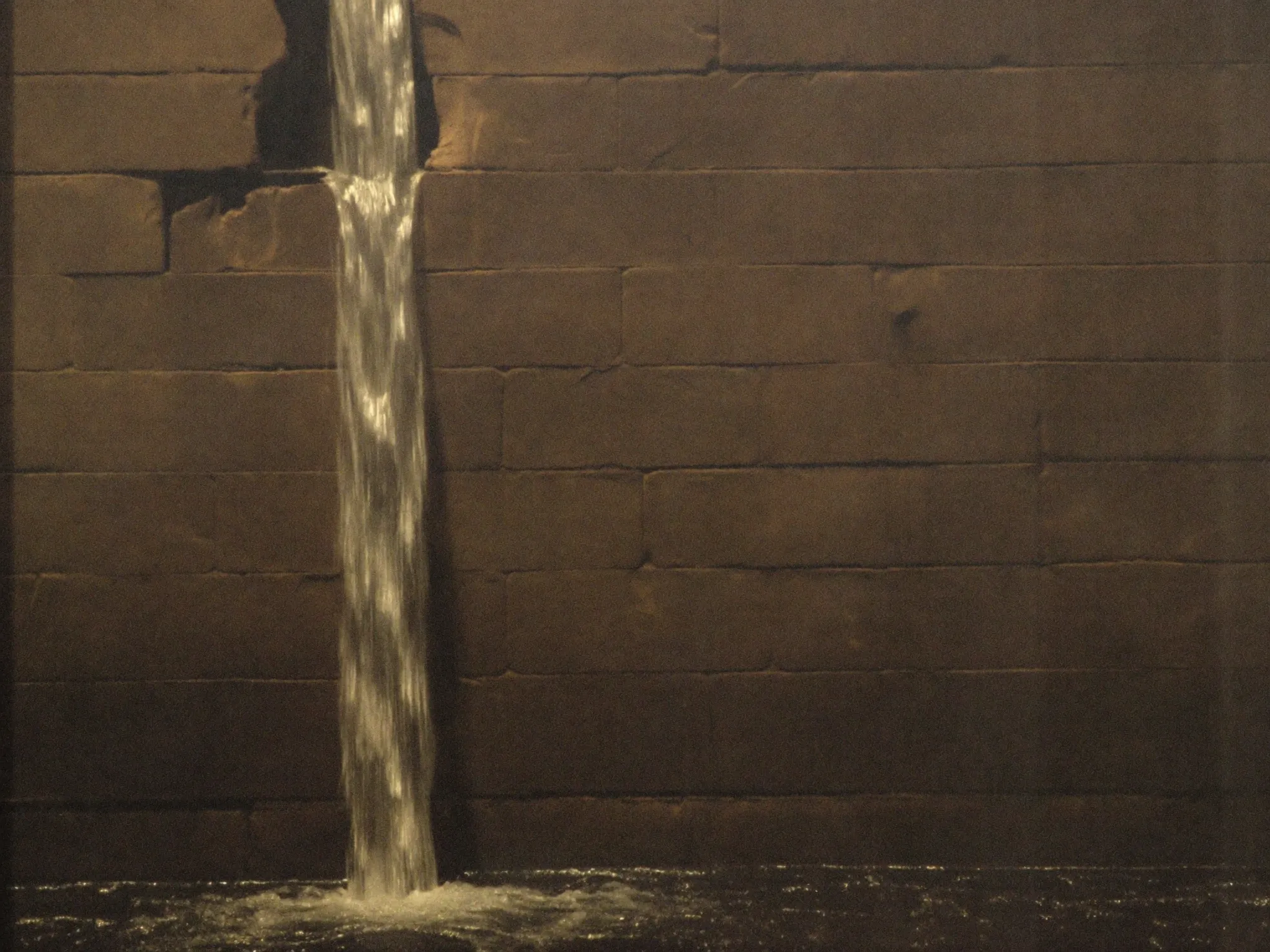
ஆமோஸ் 7 — இதோ, என்னுடைய மக்களின் நடுவே தூக்குநூலை விடுவேன்
மூன்று தரிசனங்கள்: பின்பருவப் புல்லைத் தின்று தீர்க்கும் வெட்டுக்கிளிகள் — ஆமோஸ் பரிந்துபேசுகிறான், யெகோவா மனஸ்தாபப்படுகிறார்; மகா ஆழத்தை விழுங்கும் அக்கினி — ஆமோஸ் மீண்டும் பரிந்துபேசுகிறான், யெகோவா மனஸ்தாபப்படுகிறார்; பின்பு தம்முடைய மக்களாகிய இஸ்ரவேலின் நடுவே விடப்பட்ட ஒரு தூக்குநூல் — இந்த முறை, இனி அவர்களை மன்னிக்கமாட்டேன். மேடைகள் பாழாகும், யெரொபெயாமின் வீட்டார் வாளுக்கு இரையாவார்கள். பின்பு மோதல்: பெத்தேலின் ஆசாரியனாகிய அமத்சியா ஆமோஸைக் குறித்து ராஜாவுக்கு அறிவித்து, அவனை வீட்டுக்குத் திரும்பிப்போகக் கட்டளையிடுகிறான் — தரிசனம் பார்க்கிறவனே, யூதா தேசத்திற்கு ஓடிப்போ, பெத்தேலிலே இனித் தீர்க்கதரிசனம் சொல்லாதே, அது ராஜாவின் பரிசுத்த இடம். ஆமோஸ் பதில் சொல்லுகிறான்: நான் தீர்க்கதரிசியுமல்ல, தீர்க்கதரிசியின் மகனுமல்ல; நான் மந்தை மேய்க்கிறவனாக இருந்தேன்; மந்தையின் பின்னாலே போகிறபோது யெகோவா என்னை அழைத்து, நீ போய் என்னுடைய மக்களாகிய இஸ்ரவேலுக்குத் தீர்க்கதரிசனம் சொல்லு என்றார். பின்பு அமத்சியாவின் சொந்த அழிவு அறிவிக்கப்படுகிறது.
“யெகோவா என்னை நோக்கி: ஆமோஸே, நீ என்னத்தைக் காண்கிறாய் என்றார்; தூக்குநூலைக் காண்கிறேன் என்றேன்; அப்பொழுது ஆண்டவர்: இதோ, இஸ்ரவேல் என்னும் என்னுடைய மக்களின் நடுவே தூக்குநூலை விடுவேன்; இனி அவர்களை மன்னிக்கமாட்டேன்.”
— ஆமோஸ் 7:8
- v.1-6 பரிந்துபேசுதலால் விலக்கப்பட்ட இரண்டு தரிசனங்கள்
- v.7-9 தூக்குநூலின் தரிசனம்
- v.10-17 அமத்சியா எதிர் ஆமோஸ்
தூக்குநூல் செங்குத்தான உண்மையை அளக்கிறது — ஒரு சுவர் நேராக இருக்கிறது அல்லது இல்லை; நூல் பேரம் பேசுவதில்லை. வெட்டுக்கிளிகளும் அக்கினியும் ஜெபத்தினால் விலக்கப்பட்ட பின்பு, விலக்கமுடியாத ஒரு அளவுகோலைத் தேவன் காட்டுகிறார்: துல்லியமான அளவீட்டினால் நியாயத்தீர்ப்பு.
இனி அவர்களை மன்னிக்கமாட்டேன். பரிந்துபேசுதல் இரண்டு முறை கோபத்தைத் தள்ளிவைத்தது; ஆனால் எந்த ஜெபமும் தூக்குநூலை வளைப்பதில்லை. இரக்கத்தின் நீட்டிப்புகள் முடிந்து அளவீடு தொடங்கும் ஒரு கட்டம் இருக்கிறது — மிக வல்லமையுள்ள ஜெபத்துக்கும் உள்ள, நிதானிக்கவைக்கும் ஓர் எல்லை.
ராஜாவின் பரிசுத்த இடம் — அமத்சியா தன்னையே காட்டிக்கொடுக்கும் சொற்றொடர். "தேவனுடைய வீடு" என்று பொருள்படும் பெத்தேல், சிங்காசனத்தின் வீடாகிவிட்டது: கிரீடத்துக்கே முதல் விசுவாசம் காட்டும் ஒரு அரசுச் சபை. அதிகாரத்துக்குச் சிறைப்பட்ட மார்க்கம், அதிகாரம் விரும்பாத வார்த்தையை எப்போதும் மௌனமாக்குகிறது.
யெரொபெயாமுக்கு அமத்சியா அனுப்பிய அறிவிப்பு (வசனம் 10) தீர்க்கதரிசனத்தைச் சதியாக மாற்றிச் சித்தரித்தது — தேசம் அவனுடைய வார்த்தைகளையெல்லாம் சகிக்கமாட்டாது. உண்மையுள்ள பிரசங்கம் ஒவ்வொரு காலத்திலும் தேசத்துரோகம் என்று அழைக்கப்பட்டிருக்கிறது; சுவிசேஷமும் அப்படியே அழைக்கப்படும் (அப்போஸ்தலருடைய நடபடிகள் 17:6-7).
ஆமோஸின் தகுதிச்சான்று, தகுதிச்சான்றுகள் இல்லாமையே: தீர்க்கதரிசிகளின் சங்கம் இல்லை, முறைப்படியான நியமனம் இல்லை, மிரட்டப்படக்கூடிய சம்பளம் இல்லை. வேறெங்காவது போய் அப்பம் சம்பாதிக்கும்படி அமத்சியா அவனுக்குச் சொன்னான் (வசனம் 12); ஆமோஸோ அப்பத்துக்காக ஒருபோதும் பிரசங்கிக்கவேயில்லை.
அந்த மந்தை மேய்ப்பனை அவனுடைய அழைப்பிலிருந்து நாடுகடத்தமுடியாது, ஏனென்றால் அந்த அழைப்பு ஒருபோதும் ஒரு நிறுவனத்தைச் சார்ந்ததாக இருக்கவில்லை — மந்தையின் பின்னாலே போகிறபோது என்னை யெகோவா அழைத்து (வசனம் 15). தெய்வீக நியமனமே, எந்த அமைப்பும் ரத்துசெய்யமுடியாத ஒரே அதிகாரம்.
இரண்டு வினைச்சொற்கள் எல்லாவற்றையும் தீர்த்துவைக்கின்றன: அழைத்து, சொன்னார். அமத்சியாவின் ஓடிப்போ என்பதற்கு எதிராக யெகோவாவின் போ நிற்கிறது — பரலோகத்திலிருந்து கட்டளை பெற்ற மனிதனைப் பெத்தேலிலிருந்து வரும் கட்டளைகள் அசைக்கமுடியாது.
தேவனுடைய மாதிரி: முட்செடியின் அருகே மோசே, ஆட்டுத்தொழுவத்திலிருந்து தாவீது, ஏரின் பின்னே எலிசா, வலைகளின் அருகே மீனவர்கள். அவர் வேலையாட்களை வேலையின் நடுவிலேயே எடுத்துக்கொள்கிறார்; மந்தையில் காட்டும் உண்மைத்தன்மையே அழைக்கப்பட்டவர்களின் வேதாகமக் கல்லூரி.
ஆமோஸின் இரண்டு பாதிகளையும் சேர்த்துப் பிடித்துக்கொள்ளுங்கள்: தான் கடிந்துகொண்ட மக்களுக்காக அவன் கெஞ்சினான் (வசனங்கள் 2, 5). பரிந்துபேசுதல் இல்லாத எதிர்கொள்ளுதல் வெறும் விமர்சனமே; நீங்கள் எதிர்க்கவேண்டிய எவருக்காகவும் ஜெபியுங்கள். பின்பு தூக்குநூலை உங்கள் சொந்தச் சுவர்களுக்கு எதிராக நிறுத்துங்கள் — அருகிலுள்ள சாய்ந்த கட்டிடங்களோடு உங்களை ஒப்பிடாமல், தேவனுடைய வார்த்தையின் நூலோடு ஒப்பிடுங்கள். எந்த அமத்சியாவாவது — வசதியோ, தொழிலோ, கலாச்சாரமோ — தீர்க்கதரிசனம் சொல்லாதே என்று சொல்லும்போது, யாருடைய போ என்ற கட்டளையின் கீழ் நீங்கள் இருக்கிறீர்கள் என்பதை நினைவுகூருங்கள்.
கிறிஸ்து இந்த அதிகாரத்தின் இரண்டு உருவங்களுமாக ஒரே நேரத்தில் இருக்கிறார்: பரிந்துபேசி நியாயத்தீர்ப்பைத் தடுத்து நிறுத்துகிறவர் (எபிரெயர் 7:25), தூக்குநூலும் அவரே — நியாயத்தை அளவுநூலாக வைத்து சீயோனில் போடப்பட்ட கல் (ஏசாயா 28:16-17). அவரோடு அளக்கப்படும்போது ஒவ்வொரு சுவரும் சாய்கிறது; அவருக்குள் மட்டுமே கட்டிடம் நேராக நிற்கிறது.
இந்தப் பக்கத்தில் உங்கள் மொழியிலுள்ள வேத உரை: இந்தியன் ரிவைஸ்டு வெர்ஷன் (IRV), © 2017, 2019 பிரிட்ஜ் கனெக்டிவிட்டி சொல்யூஷன்ஸ் — மாற்றமின்றி இந்த உரிமத்தின் கீழ் பயன்படுத்தப்பட்டது: CC BY-SA 4.0 · eBible.org
இடிமுழக்கத் தீர்க்கதரிசி ஒரு பரிந்துபேசுகிறவனுமாக இருக்கிறான். ஆறு அதிகாரங்களாக அழிவைப் பிரசங்கித்த ஆமோஸ், அதைக் கண்ட மாத்திரத்தில் கெஞ்சத் தொடங்குகிறான் — மன்னித்தருளும். உண்மையான தீர்க்கதரிசிகள் தாங்கள் எதிர்கொள்ளும் மக்களைத் தங்கள் இருதயத்தில் சுமக்கிறார்கள்.
அவன் சிறுமையடைந்தான். பரிந்துபேசுதலின் வாதம் இஸ்ரவேலின் தகுதி அல்ல, இஸ்ரவேலின் பலவீனமே. இந்த ஜெபத்தினால் தேவன் இரண்டு முறை மனஸ்தாபப்பட்டார் (வசனங்கள் 3, 6) — அறிவிக்கப்பட்ட நியாயத்தீர்ப்பின் போக்கை ஜெபம் உண்மையாகவே மாற்றியது.