मसौदा अनुवाद. मातृभाषी ईसाइयों के सुधार स्वागत हैं। पद-पाठ KJV (अंग्रेज़ी) में रहता है।
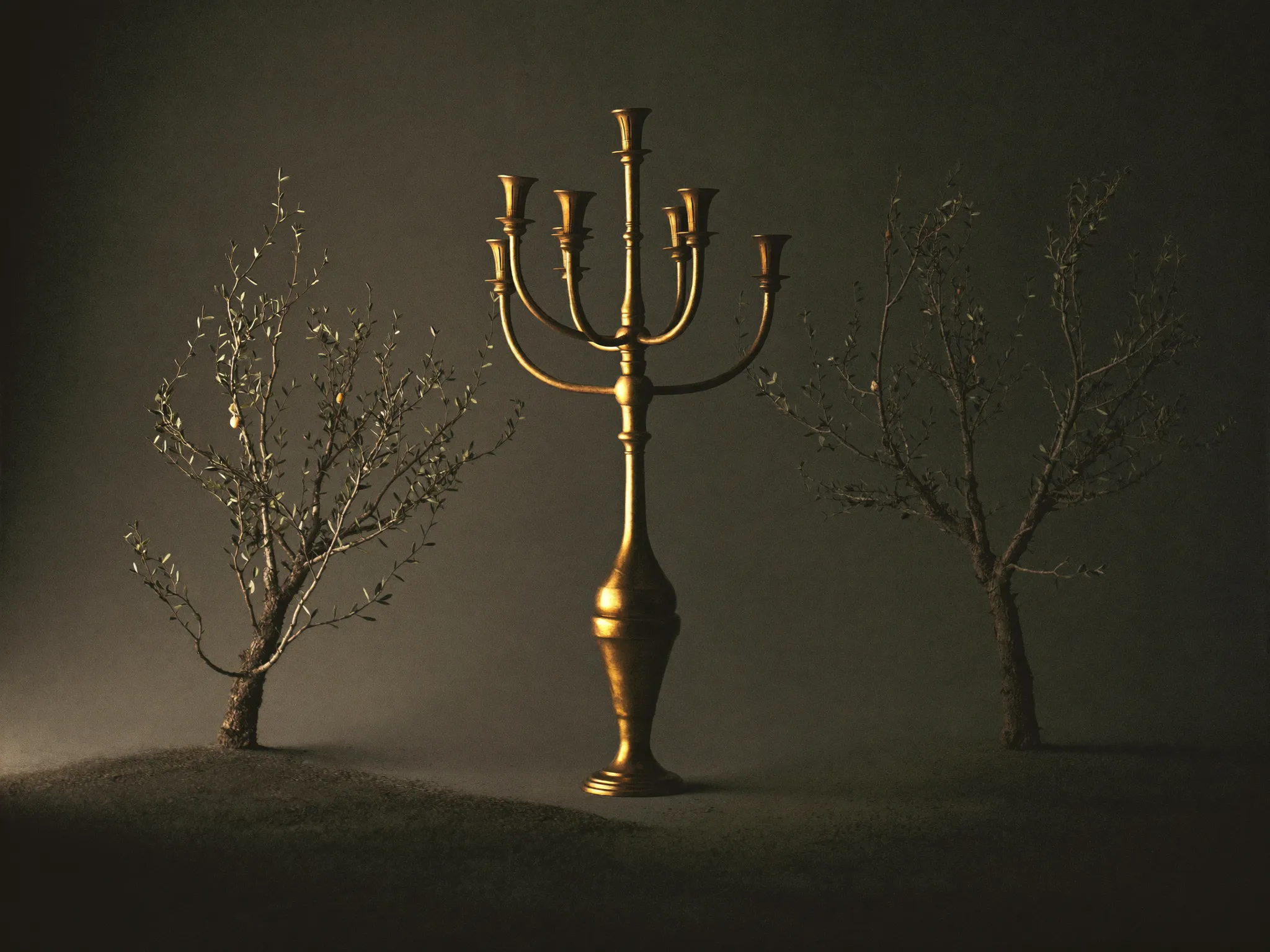
जकर्याह 1 — मेंहदियों के बीच खड़ा पुरुष
दारा के दूसरे वर्ष में जकर्याह के पास वचन पहुँचता है: यहोवा तुम्हारे पुरखाओं से बहुत ही अप्रसन्न हुआ था — तुम मेरी ओर फिरो, सेनाओं के यहोवा की यही वाणी है, तब मैं तुम्हारी ओर फिरूँगा। तुम्हारे पुरखा कहाँ हैं? और नबी, क्या वे सदा जीवित रहते हैं? परन्तु मेरे वचन उन पर पूरे हुए। फिर रात के दर्शन आरम्भ होते हैं: एक पुरुष लाल घोड़े पर चढ़ा हुआ उन मेंहदियों के बीच खड़ा है जो नीचे स्थान में हैं, और सवार पृथ्वी पर घूमने को भेजे गए हैं — सारी पृथ्वी में शान्ति और चैन है। यहोवा का दूत बिनती करता है: हे सेनाओं के यहोवा, तू कब तक यरूशलेम पर दया न करेगा? उत्तर अच्छी-अच्छी और शान्ति की बातों के साथ आता है: मुझे यरूशलेम के लिये बड़ी जलन हुई है; मेरा भवन उसमें बनेगा; मेरे नगर फिर उत्तम वस्तुओं से भर जाएँगे। दूसरा दर्शन: चार सींग जिन्होंने यहूदा को तितर-बितर किया — और चार लोहार उन्हें भगाने आते हैं।
“इसलिए तू इन लोगों से कह, सेनाओं का यहोवा यह कहता है: तुम मेरी ओर फिरो, सेनाओं के यहोवा की यही वाणी है, तब मैं तुम्हारी ओर फिरूँगा, सेनाओं के यहोवा का यही वचन है।”
— जकर्याह 1:3
- v.1-6 मेरी ओर फिरो — पुरखाओं से सीखो
- v.7-17 मेंहदियों के बीच का सवार; सिय्योन के लिये शान्ति
- v.18-21 चार सींग और चार लोहार
दो आलंकारिक प्रश्न हर पीढ़ी को एक ही धरातल पर खड़ा कर देते हैं: जिन पुरखाओं ने वचन को ठुकराया, वे चले गए; जिन नबियों ने उसे पहुँचाया, वे भी चले गए। सुननेवाले और प्रचार करनेवाले दोनों बीत जाते हैं — केवल वचन बना रहता है।
पद 6 इस शिक्षा को पूरा करता है: परन्तु मेरे वचन... क्या वे तुम्हारे पुरखाओं पर पूरी न हुईं? जो लोग उपदेशों से आगे निकल भागे, घोषित दण्ड उन्हें जा पकड़े। पवित्रशास्त्र की बाँह लम्बी है।
रात का पहला दर्शन। नीचे स्थान में मेंहदियाँ — छायादार घाटी में एक छोटी, सुगन्धित झाड़ी: अपने अपमान में इस्राएल। और मेंहदियों के बीच में सवार खड़ा है — यहोवा का दूत (पद 11), अपने दीन लोगों के बीच प्रभु।
वह ऊँचाइयों से घाटी का निरीक्षण नहीं करता; वह मेंहदियों के बीच खड़ा है। अपने लोगों के नीचे स्थान में मसीह की उपस्थिति ही आगे आनेवाली हर प्रतिज्ञा की प्रेरक शक्ति है।
यहोवा का दूत — पूरी पुस्तक में सेनाओं के यहोवा से भिन्न, फिर भी ईश्वरीय — यरूशलेम के लिये बिनती करता है। बहुत से मसीही इसे देहधारण से पूर्व के मसीह के रूप में पढ़ते हैं, जो अपने लोगों के लिये कब तक? की विनती करते हैं — हमारे सहायक का पुराने नियम के सबसे स्पष्ट चित्रों में से एक।
क्रोध के सत्तर वर्ष पूरे हो चुके थे; मध्यस्थता हाथ में कालगणना लिये प्रतिज्ञा की दुहाई देती है, जैसे दानिय्येल ने यिर्मयाह के सत्तर वर्षों के आधार पर प्रार्थना की थी (दानिय्येल 9:2)।
कब तक? का परमेश्वर का उत्तर उसके हृदय से आरम्भ होता है: बड़ी जलन हुई है। सिय्योन की दीन दशा ने कभी ईश्वरीय उदासीनता का संकेत नहीं दिया था; उसका प्रेम पूरे सत्तर वर्ष जलता रहा था।
पद 15 इसका दूसरा पक्ष जोड़ता है: वह उन अन्यजातियों से क्रोधित है जो सुख से रहती हैं — उन्होंने विपत्ति को उसकी दी हुई सीमा से आगे बढ़ा दिया। परमेश्वर ठीक-ठीक नापता है कि उसके साधन अपने निर्देशों से कितना आगे निकल गए।
चार सींग — उन शक्तियों की समग्रता जिन्होंने यहूदा को तितर-बितर किया; चार लोहार — ठीक उतने ही पर्याप्त कारीगर, जो उन्हें भगाने और काट डालने को भेजे गए। हर सींग के लिये परमेश्वर के पास एक कारीगर है; गिनती सदा मेल खाती है।
कारीगर, योद्धा नहीं (अंग्रेज़ी KJV पाठ में 'बढ़ई'): निर्दयी शक्ति के लिये परमेश्वर के उत्तर प्रायः निर्माण करनेवाले होते हैं। इतिहास में साम्राज्यों को तोड़नेवाला परमेश्वर का काम तलवारों के साथ-साथ औज़ारों से भी किया जाता है।
वहीं से आरम्भ करें जहाँ से पुस्तक आरम्भ होती है: तुम मेरी ओर फिरो। नया पन्ना पलटना नहीं, एक व्यक्ति की ओर फिरना — और उसका फिरना आपके फिरने से आ मिलता है। फिर मेंहदियों के दर्शन को अपने दीन मौसम में ले जाएँ: घाटी त्याग दिया जाना नहीं है; सवार झाड़ियों के बीच खड़ा है, और एक मध्यस्थ आपकी ओर से कब तक? पूछ रहा है। आपके विरुद्ध उठे हर सींग के लिये कारीगर पहले से नियुक्त हैं।
मेंहदियों के बीच का पुरुष और बिनती करनेवाला यहोवा का दूत मसीह के आरम्भिक रेखाचित्र हैं — परमेश्वर अपने लोगों के साथ उनकी दीन दशा में, उनके पक्ष की विनती करते हुए और उनके लिये अच्छी-अच्छी और शान्ति की बातें पाते हुए। सिय्योन के लिये परमेश्वर की जलन पूरी पुस्तक को अध्याय 12 के बेधे गए राजा और अध्याय 14 के राज्य करनेवाले राजा की ओर ले जाएगी।
इस पृष्ठ पर आपकी भाषा में पवित्रशास्त्र का पाठ: इंडियन रिवाइज़्ड वर्ज़न (IRV), © 2017, 2019 ब्रिज कनेक्टिविटी सॉल्यूशंस — बिना बदलाव के इस लाइसेंस के अंतर्गत प्रयुक्त: CC BY-SA 4.0 · eBible.org
एक ही पद में तीन बार: सेनाओं का यहोवा — जकर्याह की पहचान-भरी उपाधि; सेनाओं का परमेश्वर एक दुर्बल बचे हुए लोगों के प्रति अपने आप को वचनबद्ध करता है। यह निमन्त्रण दोनों ओर की गति का है: तुम फिरो, और मैं फिरूँगा।
यह प्रतिज्ञा परमेश्वर के अनुग्रह को मज़दूरी नहीं बना देती — उसका फिरना केवल पश्चाताप के मुड़ने की प्रतीक्षा करता है। पिता ने उड़ाऊ पुत्र को दूर से ही देख लिया क्योंकि उड़ाऊ पुत्र घर की ओर मुड़ चुका था।