मसौदा अनुवाद. मातृभाषी ईसाइयों के सुधार स्वागत हैं। पद-पाठ KJV (अंग्रेज़ी) में रहता है।
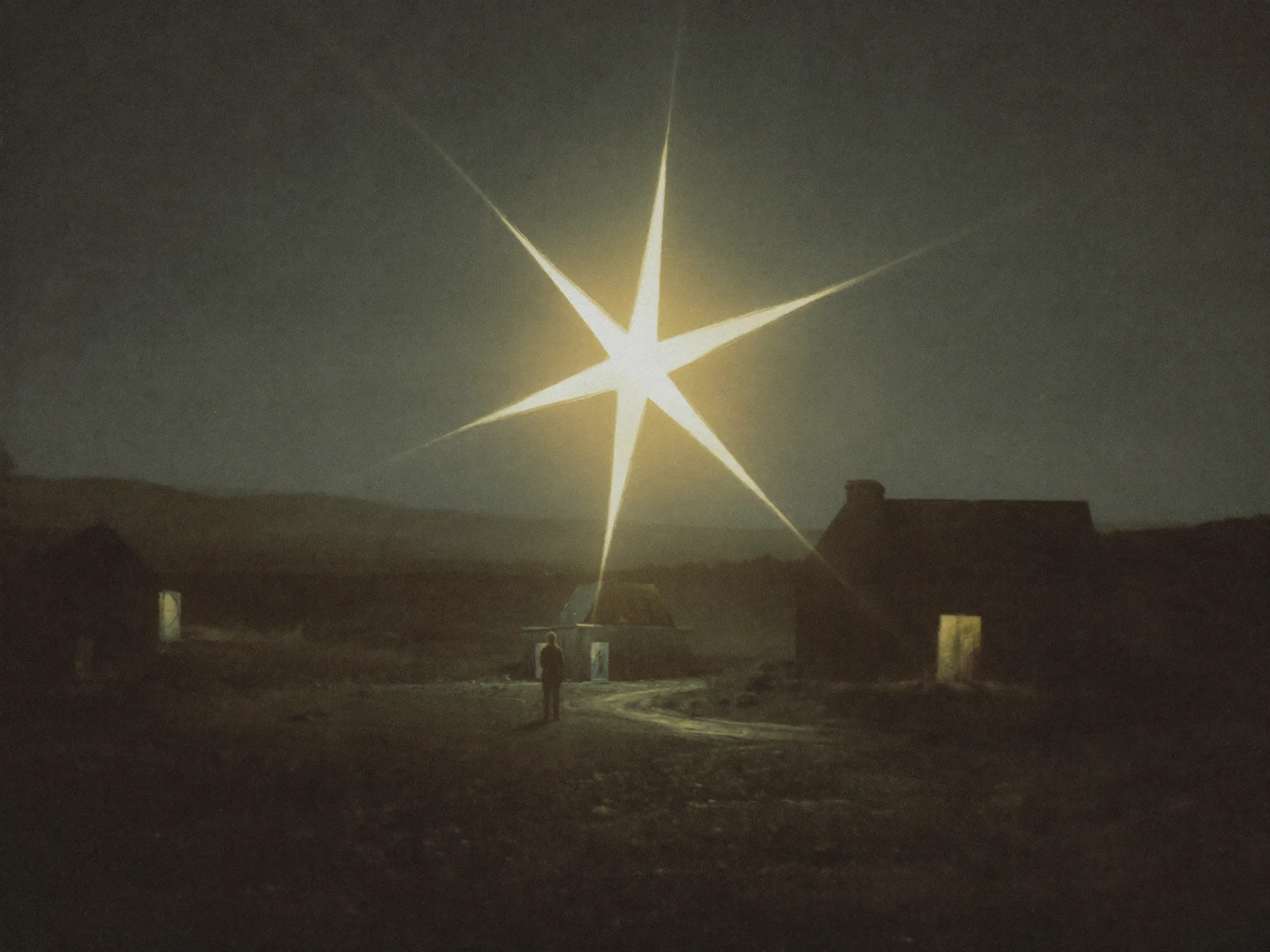
मत्ती 25 — तुम ने जो मेरे इन छोटे से छोटे भाइयों में से किसी एक के साथ किया
न्याय के तीन दृष्टान्त। दस कुँवारियाँ — पाँच समझदार, पाँच मूर्ख, तेल के साथ और तेल के बिना। द्वार बन्द — मैं तुम्हें नहीं जानता। तोड़े — पाँच, दो, एक — निकम्मा दास बाहर डाल दिया जाता है। भेड़ें और बकरियाँ — तुम ने जो मेरे इन छोटे से छोटे भाइयों में से किसी एक के साथ किया, वह मेरे ही साथ किया। ये अनन्त दण्ड भोगेंगे, परन्तु धर्मी अनन्त जीवन में प्रवेश करेंगे।
“तब राजा उन्हें उत्तर देगा, ‘मैं तुम से सच कहता हूँ, कि तुम ने जो मेरे इन छोटे से छोटे भाइयों में से किसी एक के साथ किया, वह मेरे ही साथ किया।’”
— मत्ती 25:40
- v.1-13 दस कुँवारियाँ
- v.14-30 तोड़े
- v.31-46 भेड़ें और बकरियाँ
विश्वासयोग्यता का प्रतिफल — धन्य हे अच्छे ... दास। दास अपने स्वामी के आनन्द में सहभागी हुआ; प्रतिफल स्वयं स्वामी के आनन्द में सहभागी होना है।
तू थोड़े में विश्वासयोग्य रहा। ज़िम्मेदारी का आकार मुद्दा नहीं है; विश्वासयोग्यता मुद्दा है। दो तोड़ेवाले दास को वही सराहना मिलती है जो पाँच तोड़ेवाले को। परमेश्वर भण्डारीपन को मापता है, सम्पत्ति को नहीं।
मसीह छोटे से छोटे के साथ अपनी पहचान जोड़ते हैं। भूखे, बन्दी, परदेशी — उनके दुःख उठानेवाले भाइयों — की सेवा करना उनकी सेवा करना है। यह पद मसीह के प्रति भक्ति और दीनों की देखभाल के बीच किसी भी साफ़-सुथरे विभाजन को मिटा देता है।
एक ऐसी परीक्षा जिसमें धार्मिक लोग असफल हो सकते हैं। बकरियाँ अपने ढंग से व्यस्त थीं; उन्होंने छोटों में मसीह को नहीं देखा। भेड़ें धर्मशास्त्रीय हिसाब नहीं लगा रही थीं; वे प्रेम कर रही थीं। यह पद उनके किए का आदर करता है, उससे भी पहले कि वे उसका महत्त्व जानती थीं।
दो गन्तव्य, दोनों अनन्त। एक ही शब्द — अनन्त — दोनों का वर्णन करता है। एक को नरम करना दूसरे को नरम करना है; यह समानान्तरता इसकी अनुमति नहीं देती।
अध्याय उस पंक्ति के साथ समाप्त होता है जो परख-काल के रूप में जीवन का अन्त कर देती है। जो मसीह विनती करते हैं, वही न्याय करते हैं। दोनों में कोई तनाव नहीं; वे एक ही व्यक्ति हैं जिन्होंने हमें यह इसलिए बताया कि हम तैयारी करें।
पद 40 उस बात को सरल कर देता है जिसे प्रायः जटिल बना दिया जाता है। आज तुमने छोटे से छोटे लोगों में से किसकी सेवा की? मसीह उनके लिए किए गए काम को अपने लिए किया हुआ गिनते हैं। धर्मशास्त्रीय तर्क नहीं, बल्कि दया से किया गया काम। अपने मोहल्ले, अपने कार्यालय, अपने परिवार में चारों ओर देखो — और सेवा करो।
मत्ती 25 में न्यायी तीन दृष्टान्तों में दिखाई देते हैं — कुँवारियों के दूल्हे, तोड़ों के स्वामी, भेड़ों और बकरियों के राजा। हर दृष्टान्त उसी वापसी का वर्णन करता है। अध्याय दिखाता है कि मसीह अन्त में मानवजाति को कैसे अलग करेंगे: तैयारी से, भण्डारीपन से, अपने छोटे से छोटे भाइयों के प्रति प्रेम से — और ये सब इस बात पर लौटते हैं कि क्या उन्हें सचमुच जाना और प्रेम किया गया था।
इस पृष्ठ पर आपकी भाषा में पवित्रशास्त्र का पाठ: इंडियन रिवाइज़्ड वर्ज़न (IRV), © 2017, 2019 ब्रिज कनेक्टिविटी सॉल्यूशंस — बिना बदलाव के इस लाइसेंस के अंतर्गत प्रयुक्त: CC BY-SA 4.0 · eBible.org
कुँवारियों का पाठ। अज्ञात समय का उत्तर जागते रहना है। दूल्हे के लौटने पर जलती हुई मशाल तैयारी का चित्र है।
मूर्खों को द्वेष के कारण नहीं, बल्कि तैयारी न होने के कारण ठुकराया गया। तेल अन्तिम क्षण में उधार नहीं लिया जा सकता था। तैयारी व्यक्तिगत है और किसी दूसरे को सौंपी नहीं जा सकती।