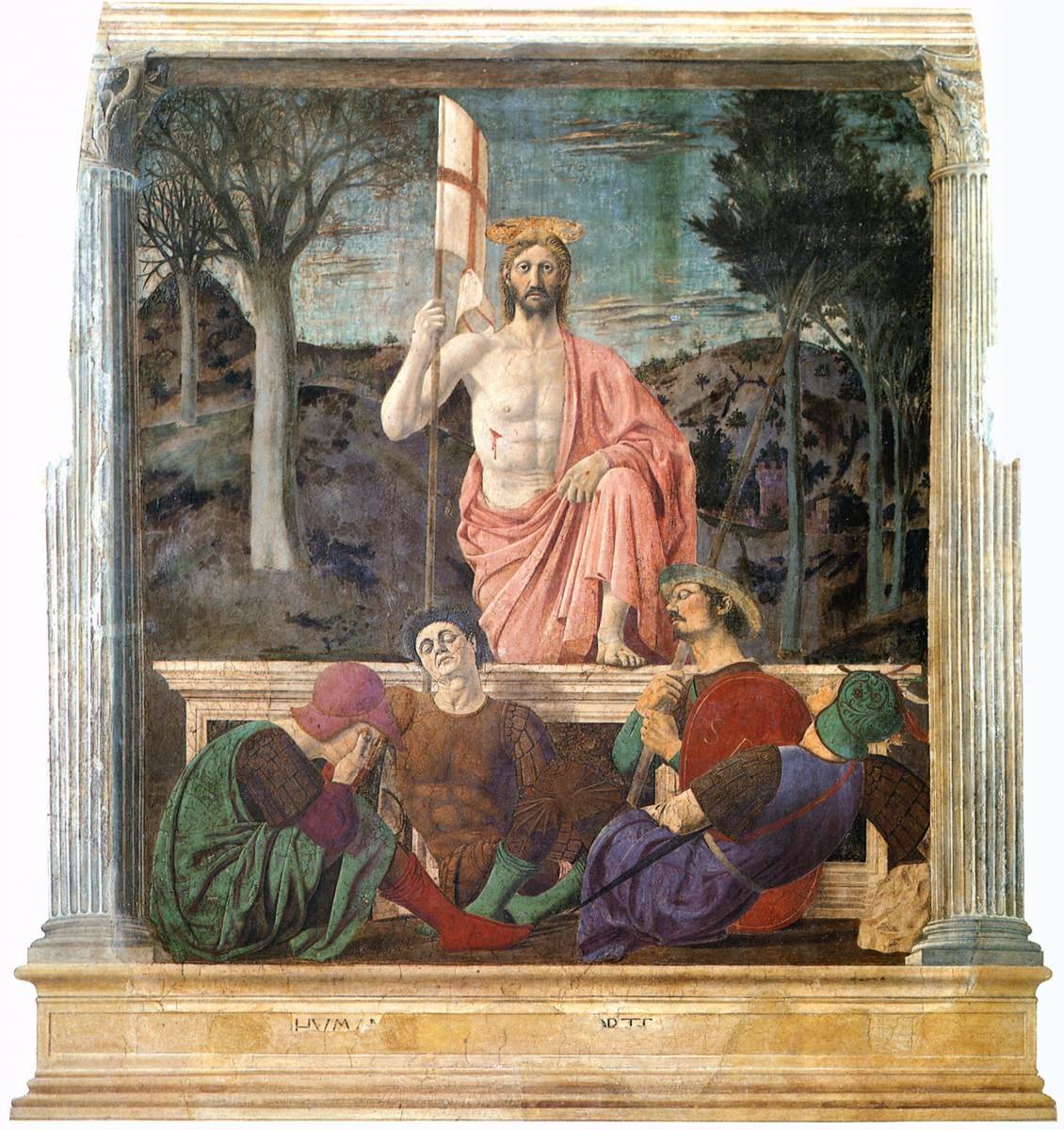

Christianity, unusually among faiths, stakes itself on a historical event open to investigation. Most historians — believing or not — grant a core of facts: Jesus was crucified and buried, his tomb was reported empty, his followers became suddenly and sincerely convinced they had seen him alive, and that conviction turned frightened disciples into people who would die for it. What EXPLAINS those facts is where the argument lives: resurrection, or hallucination, theft, legend, or misunderstanding. Christians argue the resurrection explains the whole set best; skeptics propose natural alternatives. This is the honest heart of the case — a claim you can actually reason about.
- Widely-granted core: crucifixion, empty-tomb reports, appearance experiences, transformed disciples.
- Competing explanations: resurrection vs. hallucination, theft, legend, misunderstanding.
- Christians argue resurrection best explains the set; history yields probability, not proof.
What the evidence showsA core of facts around Jesus' death and his followers' transformation is accepted by a broad range of historians across belief lines; the debate is over the best explanation, which is a genuine, reasoned argument.
Where it stopsHistory deals in probabilities, not proof, and a miracle is by definition extraordinary. The resurrection cannot be demonstrated the way a repeatable experiment can, and honest, informed people weigh the same facts differently.
Sources & further reading