Faith, Reason & the Worldviews
Every worldview — religious or not — is a set of answers to the same deep questions: where did we come from, why is there evil, what happens when we die, does life mean anything. This section weighs those answers honestly, by three tests: is it logically coherent, is it internally consistent, and does it fit the evidence? We apply those tests to everyone, the Bible included — and then set out, plainly and without pretending it is simple, why Christians find the case for their faith credible.
- Documented
- Broadly established — facts or features across-the-board thinkers accept.
- Debated
- Genuinely disputed — a live argument among reasonable people.
The Tests
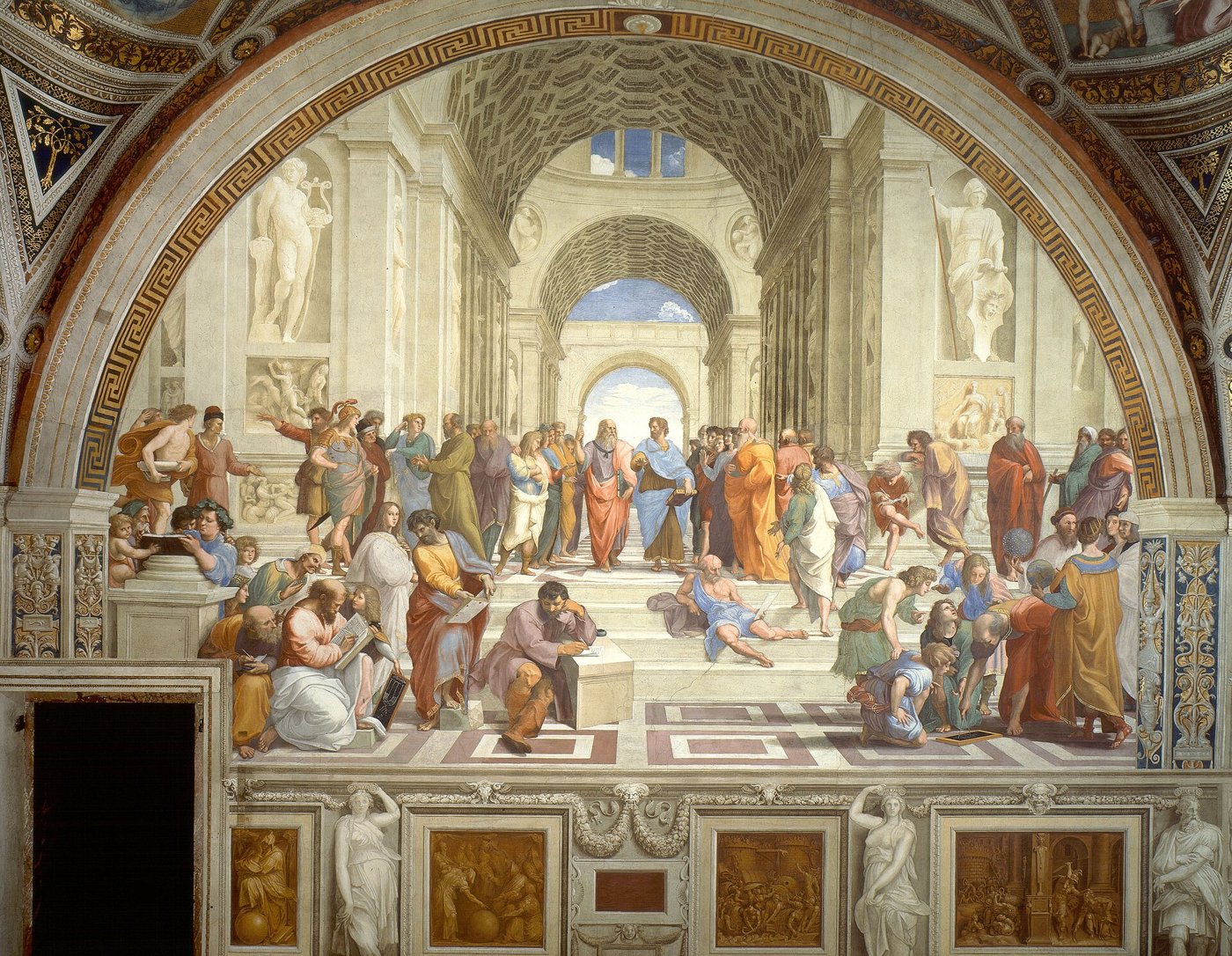
Three fair tests for any worldview — logical coherence, internal consistency, and fit with the evidence — applied to everyone, the Bible included.
 three fair tests
How to Weigh a Worldview
How do you fairly judge between competing worldviews? Three tests do most of the work: coherence — do a worldview's core claims hang together logically? consistency — does it contradict itself? and evidence — does it fit what we actually find in history and the world? These are the fairest tools we have, and honesty demands using them on every worldview equally, Christianity and the Bible included. A test is only worth using if you are willing to face it yourself.
 the honest answer
Does the Bible Contradict Itself?
An honest section has to face this squarely, because internal consistency is one of our own three tests. The candid answer: the Bible is a library of 66 books by many hands over centuries, and it contains real tensions — differing details between parallel accounts (the two creation openings, the four Gospels) and a handful of disputed passages in the manuscripts, already laid out in this site's How We Got the Bible section. What it does NOT show is a collapse of its central message: across all that diversity a remarkably consistent storyline holds. So the honest verdict is not 'zero discrepancies' — it is 'real tensions, one coherent core.'
The Big Questions
The questions every worldview must answer — origins, evil, death, meaning — and how the great traditions, and Christianity, answer them.
 where did it all come from?
Where Did It All Come From?
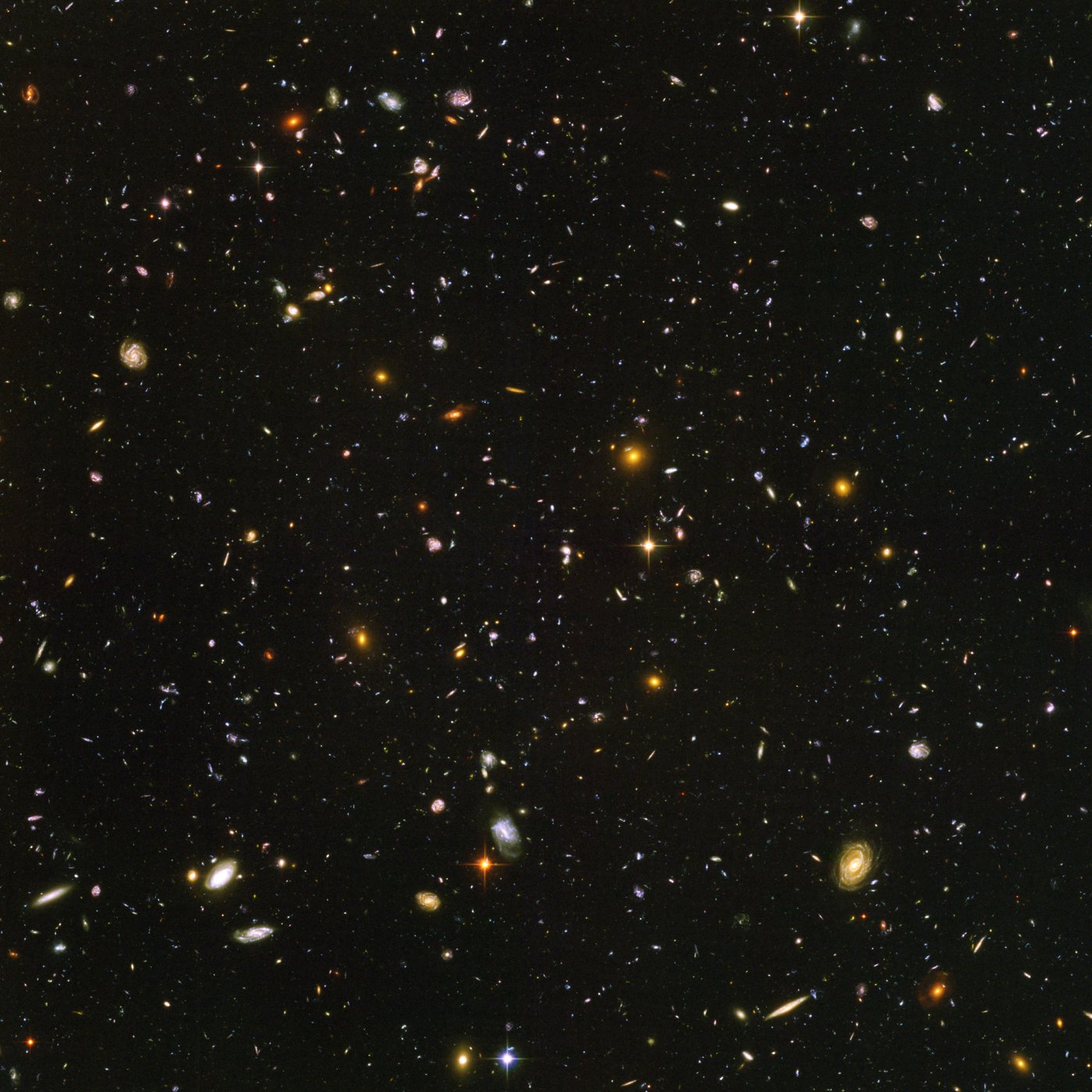
Every worldview answers the origin question. Materialism says the universe and life arose by undirected natural processes. Several Eastern traditions describe cycles without beginning, or the world as emanation or even illusion. The Abrahamic faiths say a personal God created purposefully. The Christian claim is not a rival scientific timetable — the Bible gives no age for the earth (see Genesis & Origins) — but a different KIND of claim: that behind the process, whatever its mechanism and age, stands a Creator. Science describes the how; the worldview question is whether there is a why.
 why suffering and evil?
Why Is There Evil and Suffering?
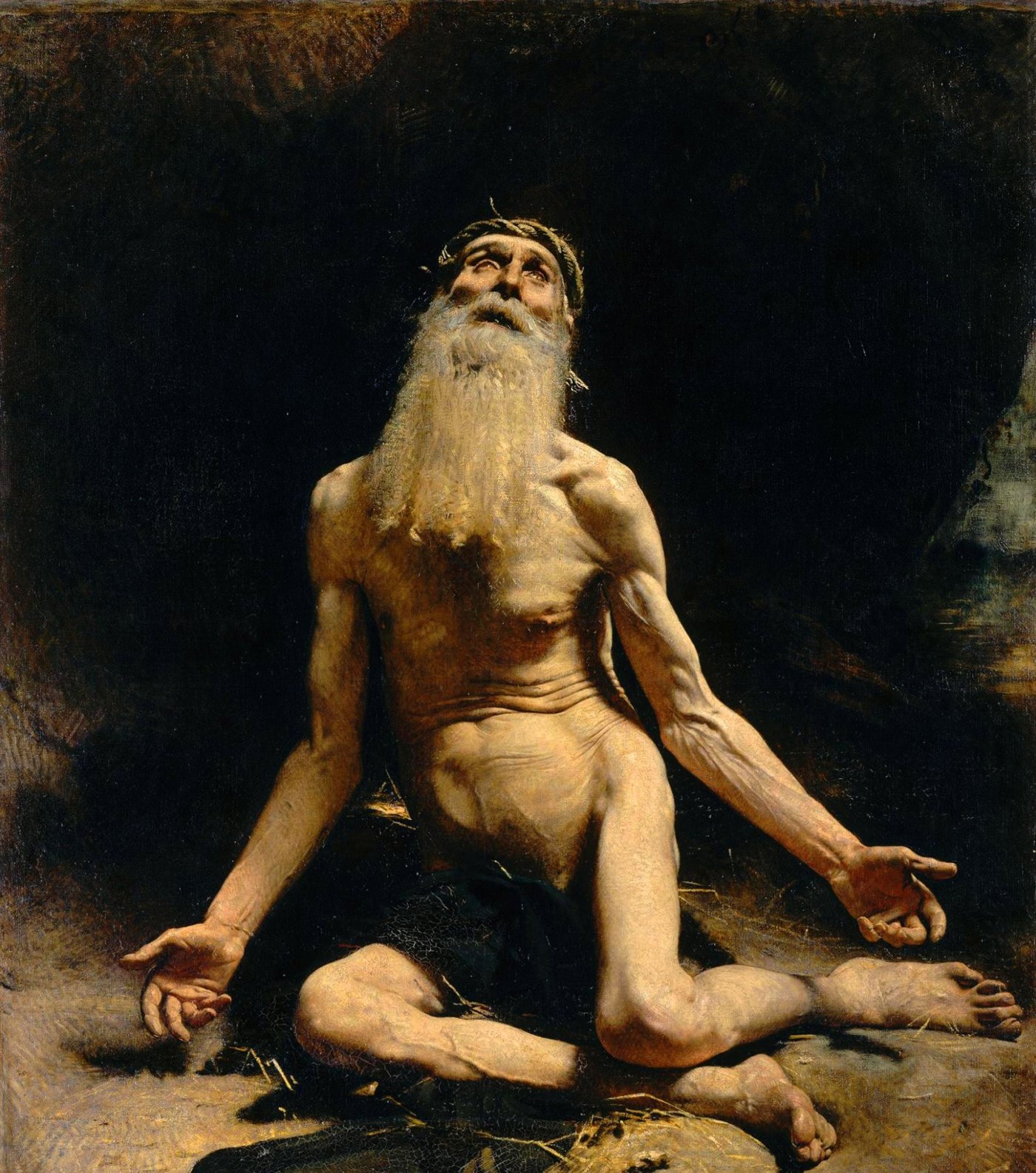
This is the hardest question for any worldview that believes in a good God — and Christianity does not pretend it is easy. Other traditions answer differently: some see suffering as illusion or as the working-out of past deeds (karma); materialism says suffering simply is, with no deeper meaning. Christianity's answer is costly and distinctive: a good God permits real freedom and its terrible misuse, enters the suffering himself in Christ, and promises finally to set it right — but it offers no tidy explanation for each particular grief. Its strength is not a neat theodicy; it is a God who suffers alongside.
 what happens after death?
What Happens After Death?
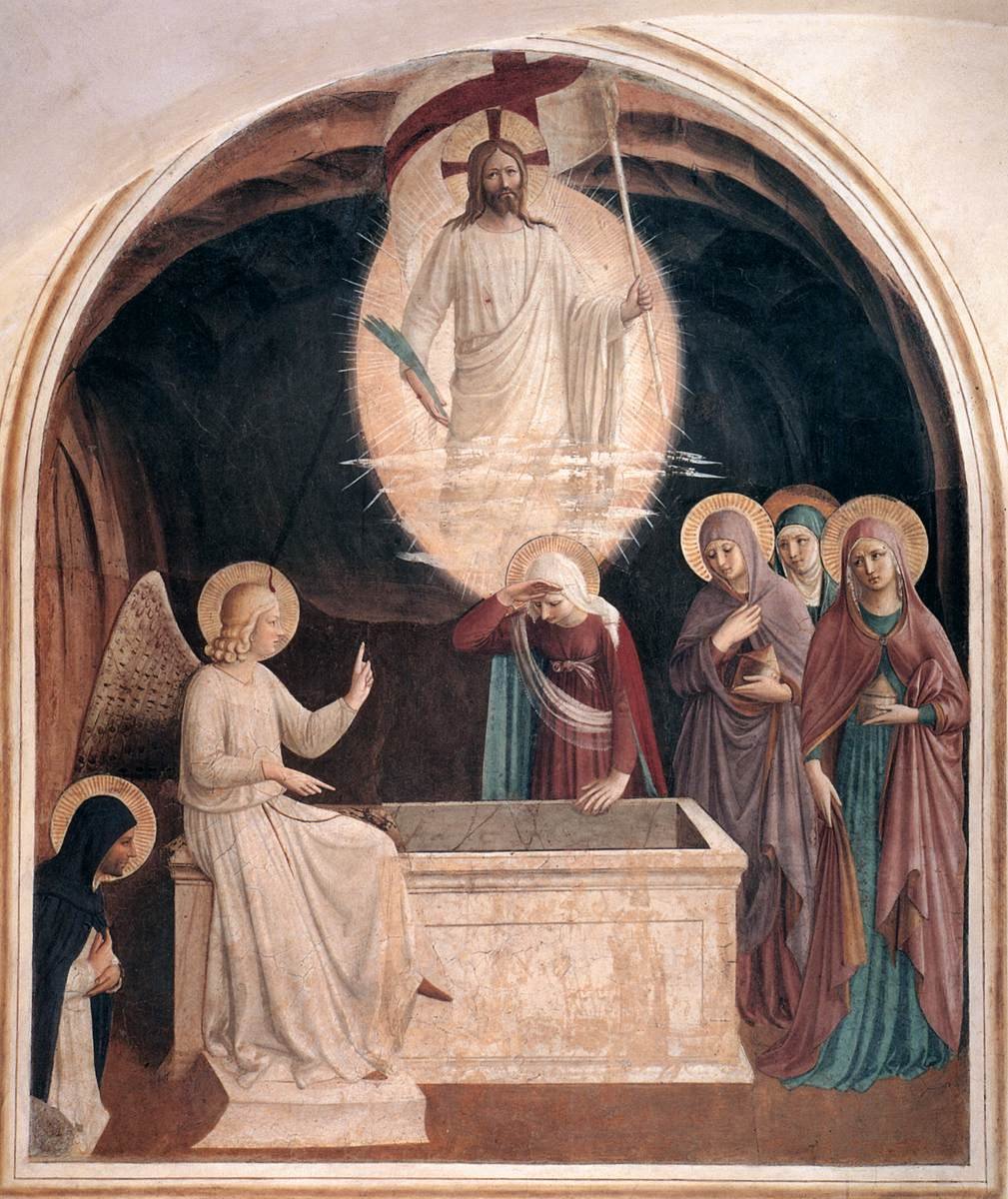
Worldviews diverge sharply here: rebirth and eventual release (much of Hinduism and Buddhism), a single life then judgment (Judaism and Islam), or simply nothing (materialism). Christianity's claim is specific and, unusually, tied to a HISTORICAL event: not merely the soul's survival but bodily resurrection, grounded in the claim that Jesus himself rose from the dead. That makes the Christian answer testable in a way most afterlife claims are not — which is exactly why the next group examines the resurrection as history.
 where does meaning come from?
Where Does Meaning Come From?
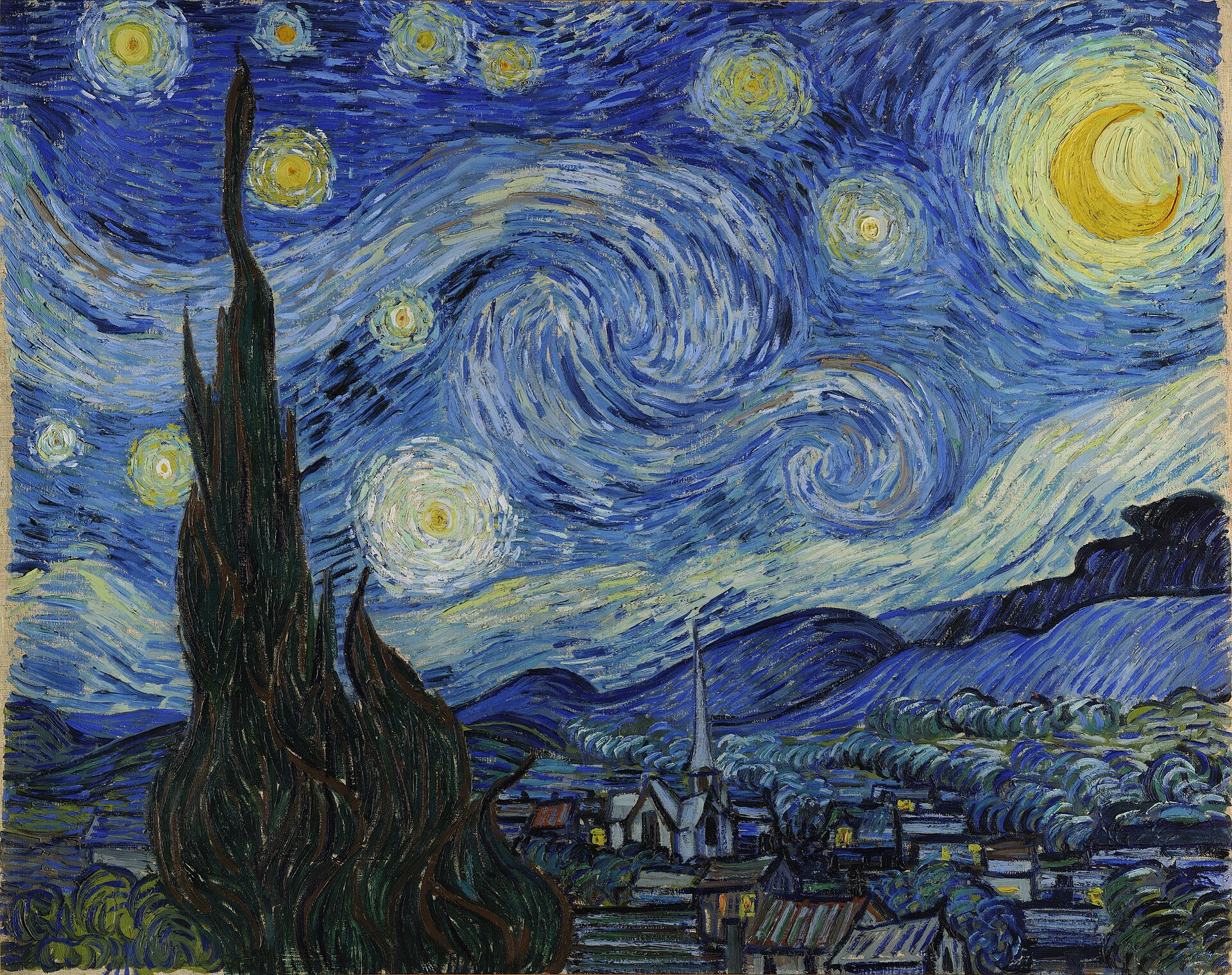
If the universe is blind matter, where do meaning, beauty and moral obligation come from? Materialism says we invent them — useful fictions with no ultimate grounding. Several traditions locate meaning in harmony with an impersonal order (dharma, the Tao). Christianity locates it in a personal God whose character defines good, and in human beings made to bear his image — which is why, on the Christian view, justice and love are not mere preferences but realities. The honest point is NOT that atheists cannot be good (they plainly can and are); it is which worldview best explains why goodness is real at all.
The Christian Case
Set out plainly and honestly: not a knock-down proof, but the cumulative reasons Christians find their faith credible.
 the historical core
The Resurrection: A Historical Claim
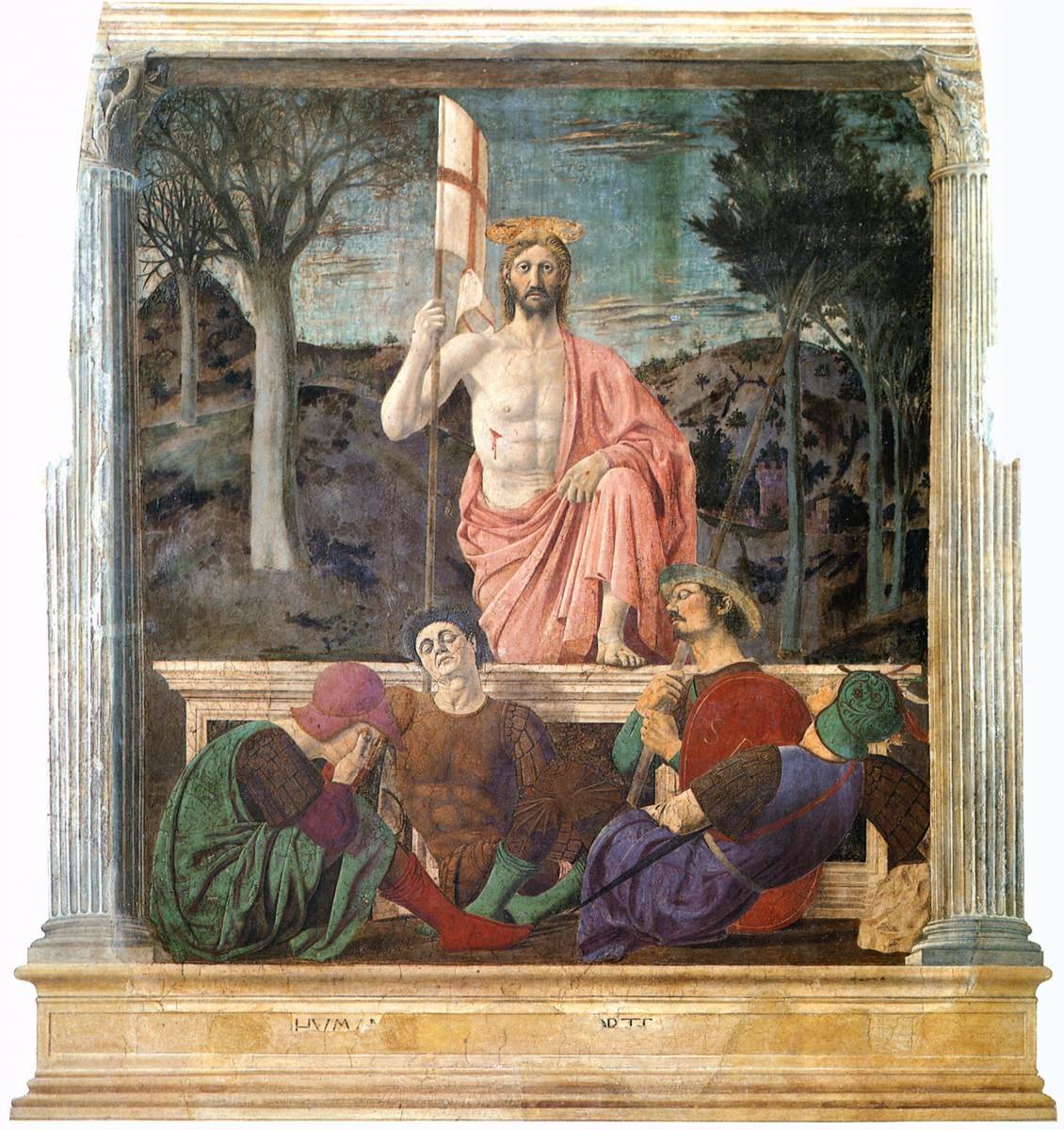
Christianity, unusually among faiths, stakes itself on a historical event open to investigation. Most historians — believing or not — grant a core of facts: Jesus was crucified and buried, his tomb was reported empty, his followers became suddenly and sincerely convinced they had seen him alive, and that conviction turned frightened disciples into people who would die for it. What EXPLAINS those facts is where the argument lives: resurrection, or hallucination, theft, legend, or misunderstanding. Christians argue the resurrection explains the whole set best; skeptics propose natural alternatives. This is the honest heart of the case — a claim you can actually reason about.
 order, beauty, fine-tuning
Order, Beauty and the Question of Design
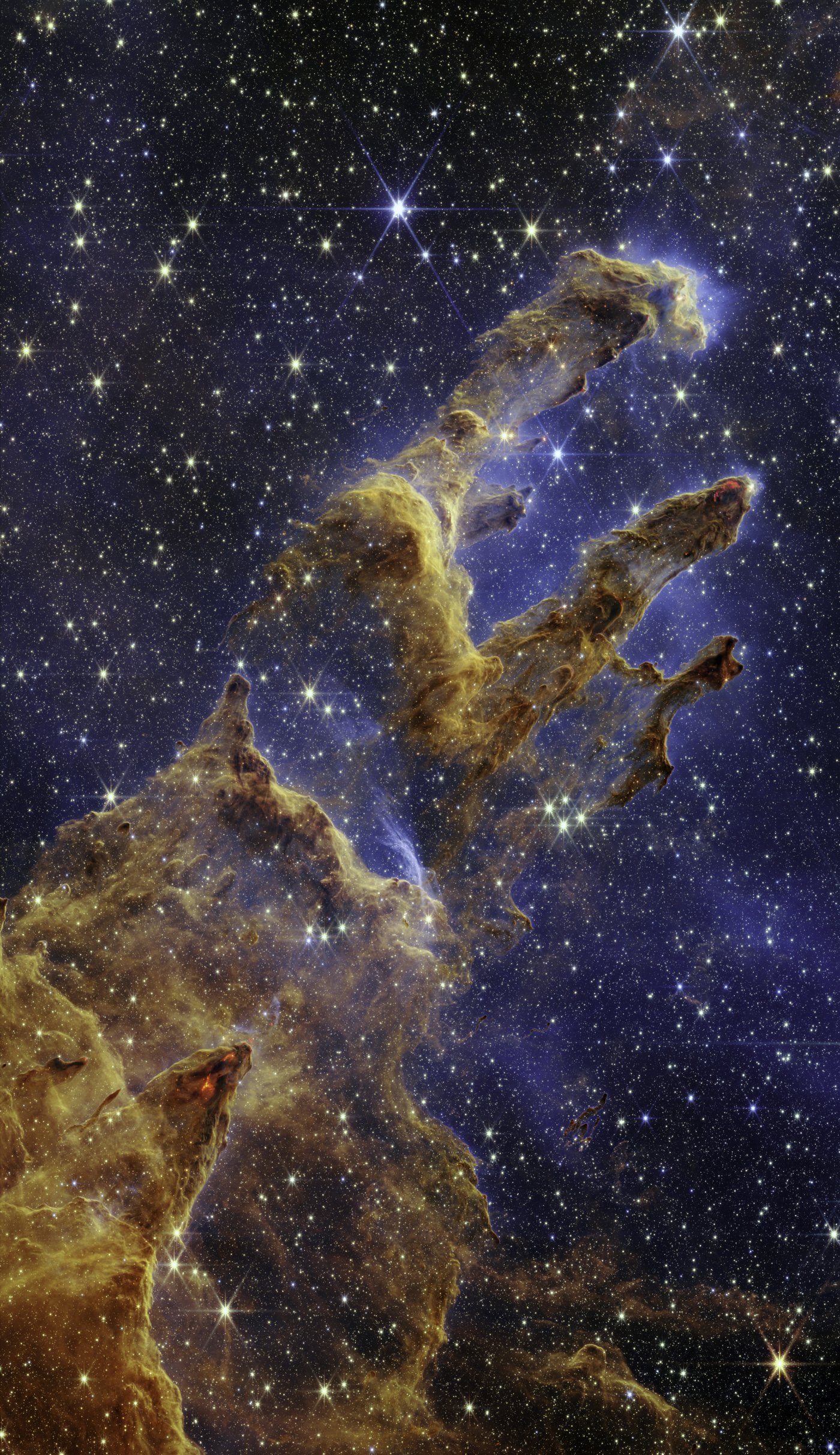
A second strand of the case is the world's deep order. The universe appears startlingly fine-tuned for life — change several physical constants by a hair and nothing complex could exist — and it is intelligible, describable in elegant mathematics. Some read this as pointing to a Mind behind it; others answer with a 'multiverse' (countless universes, so one is bound to fit) or simply accept it as brute fact. It is an argument, not a proof, and honesty means admitting the alternatives are serious. But the fit between mind and cosmos is, at the very least, a real clue worth weighing.
putting it togetherWhy Christians Find It Credible
Put together, the Christian case is not a single knock-down proof but a CUMULATIVE one: a worldview that answers the big questions coherently, a historical resurrection that resists easy explanation, a universe that looks made, and a moral and personal depth that fits how human beings actually are. None of these forces belief; together, Christians argue, they make faith reasonable — a step FROM the evidence, not away from it. And honesty requires the last word: this is a case for credibility, not certainty. Faith remains faith. But it need not be a leap in the dark.