.jpg)
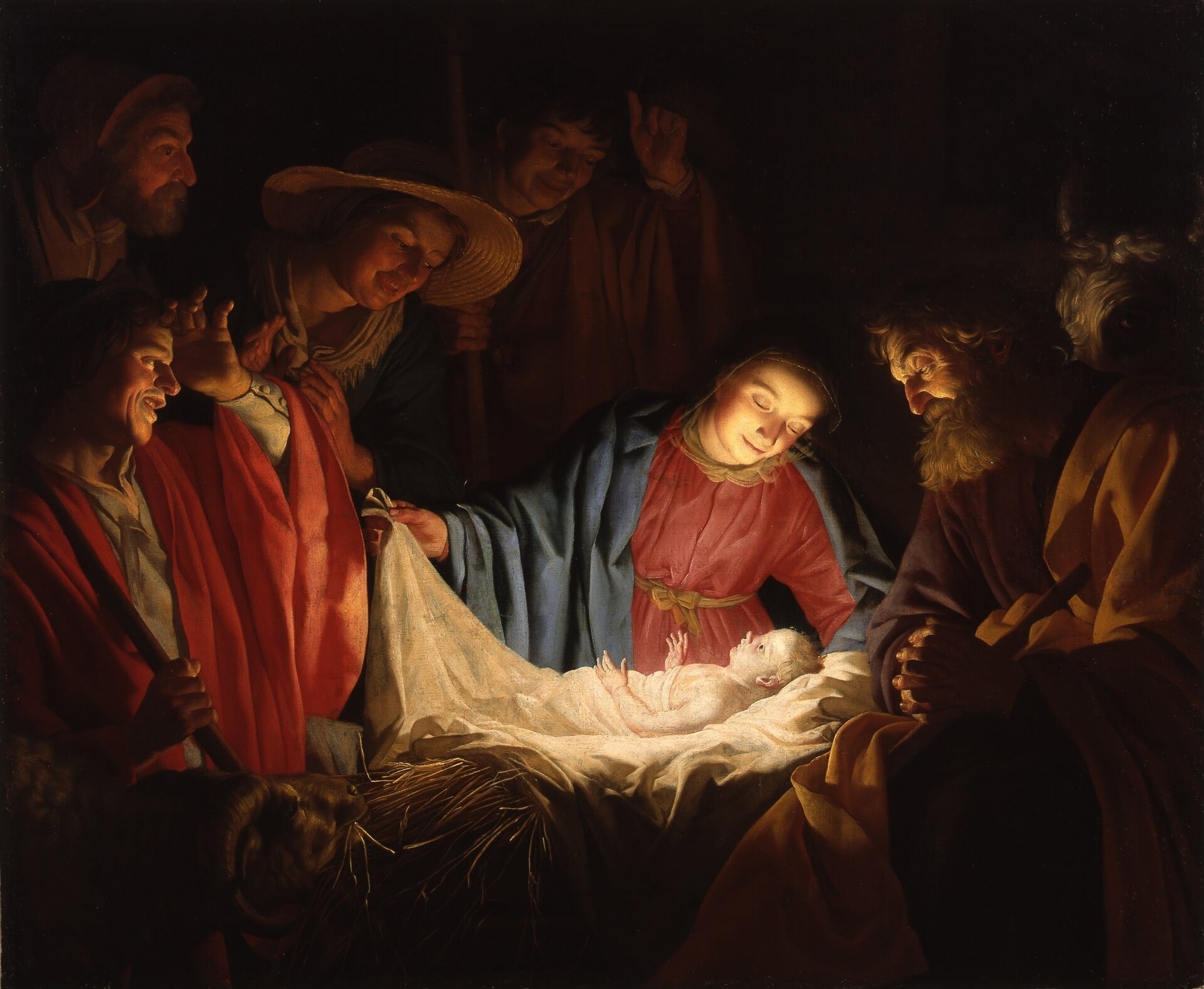
দুজন সাক্ষী একই জন্ম ঘরের দুই প্রান্ত থেকে বলেন। লুক দাঁড়িয়ে এক তরুণী মায়ের পাশে — জনগণনা, যাবপাত্র, মেষপালক, গান। মথি দাঁড়িয়ে রাজনৈতিক পরিণতির পাশে — পণ্ডিতেরা, এক সন্দেহবাতিক রাজা, রাতারাতি পালানো একটি পরিবার। কেউ অন্যের অর্ধেকটা বলেন না। একসঙ্গে, ক্রমে পড়লে তাঁরা একই ঘটনা দুই কোণ থেকে দেন: কোমল দৃশ্য আর বিপজ্জনক দৃশ্য একই রাত।
কাহিনিতে এটি কোথায়: এটাই সেই মোড় যার দিকে গোটা পুরাতন নিয়ম ঝুঁকে ছিল — অব্রামকে দেওয়া প্রতিজ্ঞা যে 'সব গোষ্ঠী' আশীর্বাদ পাবে, আর দায়ূদকে প্রতিজ্ঞাত চিরস্থায়ী সিংহাসন — দায়ূদের নগরে একটি শিশু হয়ে আসছে। চতুর্থ অঙ্ক শুরু হয়। এর আগের সব অপেক্ষা করছিল; এর পরের সব এখান থেকেই বয়ে যায়।
এই অধ্যায় কী করছে: যীশুর আগমনকে বাস্তব, যাচাইযোগ্য ইতিহাসে প্রোথিত করা — একজন নামধারী সম্রাট, একজন পরিচিত রাজা, একটি নির্দিষ্ট নগর — এবং শুরু থেকেই তাকে অন্তরঙ্গ (একটি জন্ম) ও বিশ্বব্যাপী (এমন রাজা যার প্রতি সাম্রাজ্য প্রতিক্রিয়া দেখাবে) — দুভাবেই রাখা।
- লুক 2:1–7 — একটি জনগণনা যোষেফকে দায়ূদের নগর বেথলেহেমে পাঠায়; সেখানে জায়গা নেই, আর শিশুটিকে পশুর যাবপাত্রে শোয়ানো হয়। প্রতিজ্ঞার রাজা জগতের সবচেয়ে নিচু জায়গা দিয়ে প্রবেশ করেন।
- লুক 2:8–20 — জন্মের ঘোষণা প্রথমে হয় মেষপালকদের কাছে — রাতের পালার মজুর, আচারগতভাবে প্রান্তিক। শ্রোতারাই আসল সংকেত: এ সুসমাচার নিচের দিকে তাক করা।
- মথি 2:1–12 — সমন্বয়: কিছুকাল পরে (মথিতে পরিবার একটি 'বাড়িতে', আর হেরোদ 'দুই বছর ও তার কম' বয়সি ছেলেদের নিশানা করেন) পূর্ব দেশ থেকে পণ্ডিতেরা আসেন। দুটি বিবরণ একই মুহূর্ত নয় — একই কাহিনির পরপর দৃশ্য।
- মথি 2:13–23 — হেরোদের হত্যাকাণ্ড, মিশরে পলায়ন, নাসরতে ফেরা। বিপদটাই আসল কথা: একজন বাস্তব রাজা এতটাই আতঙ্কিত হয়েছিলেন যে হত্যা করেছিলেন।
- মূলধারা (হোনারের যত্নশীল পুনর্গঠন): আনু. খ্রিস্টপূর্ব 5–4, হেরোদের মৃত্যুর কিছু আগে — মথির হেরোদ-বিবরণ যে শেষ সীমা দাবি করে।
- সামান্য আগে (আনু. খ্রিস্টপূর্ব 6–5): জনগণনা আর হত্যাকাণ্ডের 'দুই বছর ও তার কম'-কে বেশি গুরুত্ব দিয়ে।
- পঞ্জিকার ভুল: 6ষ্ঠ শতাব্দীতে ডায়োনিসিয়াসের স্থির করা আমাদের খ্রিস্টাব্দ-গণনা সোজা ভুল হিসাব হয়েছিল — এজন্যই যীশু 'খ্রিস্টের 4 বছর আগে' জন্মেছেন বলে মনে হয়।
মূল পদ: লুক 2:10–11 · তাতে কী: সুসমাচারগুলি নিজেদের দাবি 'এক যে ছিল' নয়, তারিখযোগ্য মাটিতে দাঁড় করায় — একজন সম্রাট, একজন শাসনকর্তা, মৃত্যুর বছর জানা এক রাজা। উদ্দেশ্যই হলো আপনি যেন যাচাই করতে পারেন। দুজন খুব আলাদা সাক্ষী একই নগর আর একই রাজায় এসে মেলাও সেই দাবির অংশ।