ముసాయిదా అనువాదం. మాతృభాషా క్రైస్తవుల సూచనలు స్వాగతం. వాక్య పాఠం KJV (ఆంగ్లం)లో ఉంటుంది.
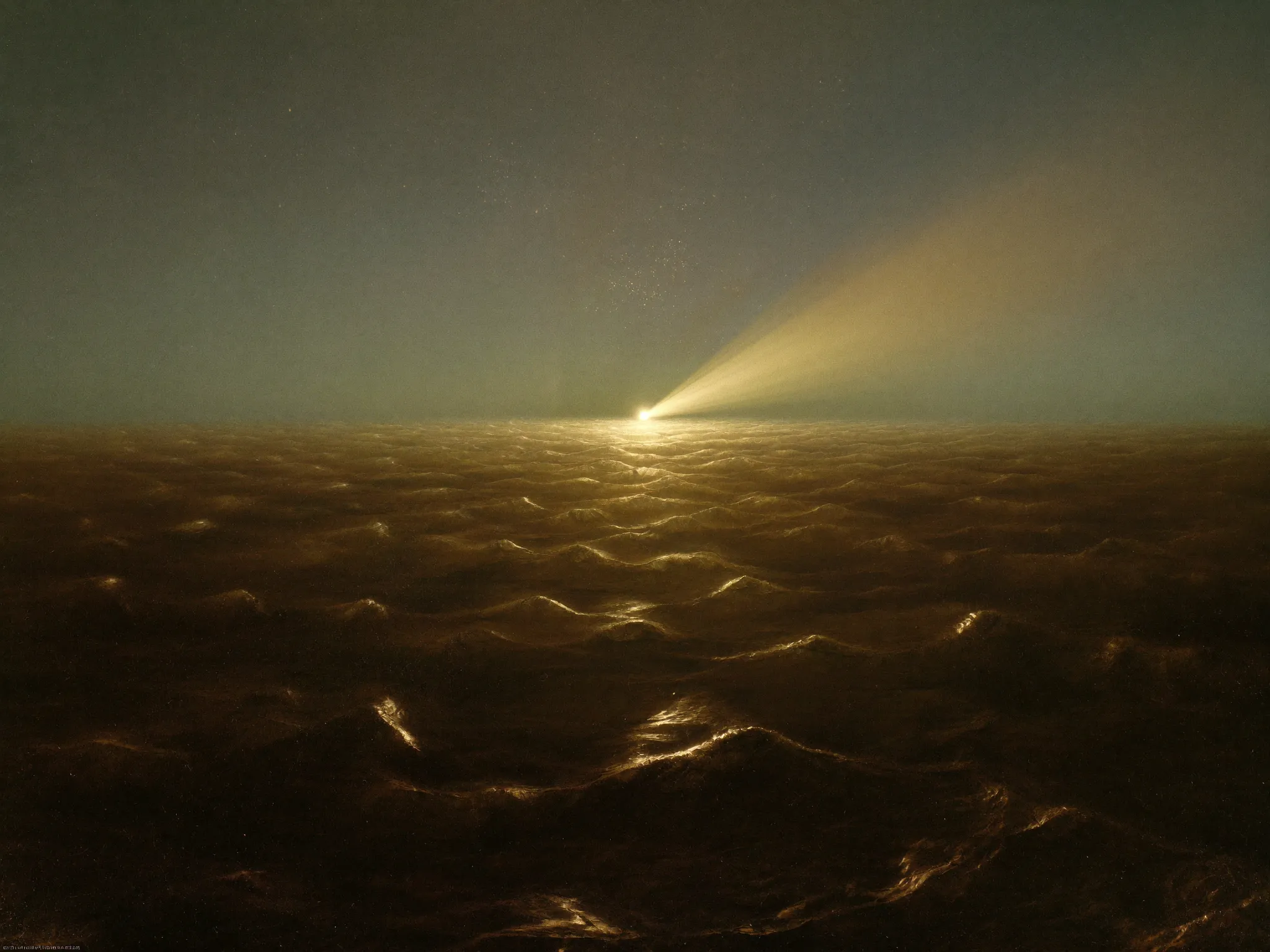
ఆదికాండము 8 — దేవుడు నోవహును జ్ఞాపకం చేసుకున్నాడు
నీళ్ళు తగ్గిపోతాయి. నోవహు మొదట కాకిని, తరువాత పావురాన్ని బయటికి పంపిస్తాడు. పావురం ఒలీవ ఆకుతో తిరిగి వస్తుంది, ఆ తరువాత తిరిగి రాదు. నోవహు ఒక బలిపీఠం కడతాడు. భూమి ఉన్నంత వరకూ విత్తనాలు నాటేకాలం, కోతకాలం ఆగిపోవని దేవుడు వాగ్దానం చేస్తాడు.
“దేవుడు నోవహును, అతనితోపాటు ఓడలో ఉన్న ప్రతి జంతువునూ, పశువునూ జ్ఞాపకం చేసుకున్నాడు. దేవుడు భూమి మీద గాలి విసిరేలా చేయడంవల్ల నీళ్ళు తగ్గుముఖం పట్టాయి.”
— ఆదికాండము 8:1
- v.1-5 నీళ్ళు తగ్గుతాయి; ఓడ అరారాతు మీద నిలుస్తుంది
- v.6-12 కాకి, పావురం చేసిన మూడు ప్రయాణాలు
- v.13-19 ఓడ నుంచి బయటికి; ప్రతి ప్రాణీ బయటికి వెళ్తుంది
- v.20-22 నోవహు బలిపీఠం; స్థిరమైన రుతువుల వాగ్దానం
పావురమూ ఒలీవ ఆకూ శాంతికి శాశ్వత చిహ్నాలు అవుతాయి. క్రీస్తు బాప్తిస్మం పొందినప్పుడు దేవుని ఆత్మ పావురంలా ఆయన మీదికి దిగి వచ్చాడు (మత్తయి 3:16). ఒలీవ చెట్టు పునరుద్ధరించబడిన ఇశ్రాయేలును చిత్రిస్తుంది (రోమీయులకు రాసిన పత్రిక 11). ఈ రెండూ ఇక్కడ కలుస్తాయి.
పావురం నోట్లోని ఆకు మునిగిపోయిన లోకం నుంచి వచ్చిన మొదటి కొత్త చిగురు. పావురం మోసుకొచ్చిన ఒక్క చిన్న పచ్చని ఆకుతో పునరుత్థాన జీవం ప్రారంభమైంది.
జలప్రళయం తరువాతి లోకంలో మొదటి కార్యం ఆరాధన. వ్యవసాయానికి ముందు, కుటుంబ ప్రణాళికకు ముందు, తిరిగి నిర్మించడానికి ముందు — బలి.
దేవుడు అదనంగా ఉంచమని ఆజ్ఞాపించిన శుద్ధమైన జంతువులు (7 వ అధ్యాయం) ఇప్పుడు తమ రెండవ ఉద్దేశాన్ని వెల్లడి చేస్తాయి. దేవుడు బలిని ముందుగానే ఏర్పాటు చేశాడు. ఆయన ఎప్పుడూ అలాగే చేస్తాడు.
ఆశ్చర్యపరిచే పదబంధం — యెహోవా ఆ ఇంపైన వాసన ఆస్వాదించాడు. అంగీకారయోగ్యమైన ఆరాధన దేవుణ్ణి సంతోషపెడుతుంది. ఇది మానవరూప భాష, కానీ దాని వెనుక ఉన్న సత్యం నిజమైనది.
తర్కాన్ని గమనించండి: ఆంగ్ల (KJV) పాఠం ప్రకారం, మనిషి ఆలోచన బాల్యం నుంచే చెడ్డది కాబట్టి దేవుడు లోకాన్ని మళ్ళీ నాశనం చేయడు. అది మరింత తీర్పుకు కారణం కావాలి గానీ తక్కువ తీర్పుకు కాదు. కానీ దేవుని కనికరం మానవ భ్రష్టత్వం అనే వాస్తవాన్నే, ఇక ప్రపంచవ్యాప్త ఉగ్రతను ఆపడానికి కారణంగా మార్చింది.
ఎఫెసీ పత్రిక 5:2 — క్రీస్తు తనను తానే దేవునికి పరిమళమైన అర్పణగా బలిగా అప్పగించుకున్నాడు. ఆదికాండము 8 లోని నమూనా కల్వరిలో నెరవేరింది.
సాధారణ కృప నిబంధన. ప్రతి కోతకాలం, ప్రతి శీతాకాలం, ప్రతి సూర్యాస్తమయం ఈ వాగ్దానానికి నిశ్శబ్ద సాక్ష్యం.
“భూమి ఉన్నంత వరకూ” అనే పదబంధం అంతిమ పునర్నిర్మాణానికి చోటిస్తుంది (2 పేతురు పత్రిక 3:10-13; ప్రకటన గ్రంథము 21:1). రుతువులు ఈ భూమిలో శాశ్వతం, రాబోయే దానిలో కాదు.
సమయానికి వచ్చే ప్రతి రుతువూ, విత్తనాలు నాటేకాలం తరువాత వచ్చే ప్రతి కోతకాలమూ — ఇవన్నీ ఆదికాండము 8:22 లోని వాగ్దానాన్ని దేవుడు ఇంకా నిలబెట్టుకుంటున్నాడనడానికి నిదర్శనాలు. ఈసారి చలికాలంలో మంచు కురవడమో, వేసవిలో ధాన్యం పండడమో చూసినప్పుడు జ్ఞాపకం చేసుకో: నోవహును జ్ఞాపకం చేసుకున్న అదే దేవుడు భూమి అంతటికీ ఇచ్చిన తన మాటను ఇంకా నిలబెట్టుకుంటున్నాడు.
నోవహు అర్పించిన దహనబలి ఇంపైన వాసనగా పైకి లేచి, మానవాళి పట్ల దేవుని స్పందనను మార్చింది. కల్వరిలో క్రీస్తు అర్పణ కూడా అలాగే చేసింది. ఎఫెసీ పత్రిక 5:2 ఈ సంబంధాన్ని స్పష్టం చేస్తుంది: క్రీస్తు తనను తాను అర్పించుకోవడమే, ఆయనలో ఆశ్రయం పొందేవారి కోసం కనికర నిబంధనను తెచ్చిన ఇంపైన వాసన.
ఈ పేజీలో మీ భాషలోని లేఖన పాఠం: ఇండియన్ రివైజ్డ్ వెర్షన్ (IRV), © 2017, 2019 బ్రిడ్జ్ కనెక్టివిటీ సొల్యూషన్స్ — మార్పులు లేకుండా ఈ లైసెన్స్ క్రింద ఉపయోగించబడింది: CC BY-SA 4.0 · eBible.org
మతిమరుపు ఉన్న మనిషిలా దేవుడు జ్ఞాపకం చేసుకోడు. హీబ్రూ పదం తనవాళ్ళ పక్షంగా పని చేయడానికి ఆయన తన దృష్టిని మళ్ళించడాన్ని వ్యక్తం చేస్తుంది. ఆయన హన్నాను (1 సమూయేలు 1:19), రాహేలును (ఆదికాండము 30:22) జ్ఞాపకం చేసుకున్నప్పుడు వాడిన క్రియాపదం ఇదే.
150 రోజుల పాటు నోవహు ఓడ లోపల ఎదురుచూశాడు. ఆ నిశ్శబ్దం చాలా సుదీర్ఘంగా అనిపించింది. కానీ దేవుడు మరచిపోలేదు. పని చేయడానికి సరైన క్షణం కోసం ఆయన ఎదురుచూస్తున్నాడు.