मसुदा भाषांतर. मातृभाषी ख्रिस्ती लोकांच्या सुधारणा स्वागत आहेत. वचनाचा मजकूर KJV (इंग्रजी) मध्ये राहतो.
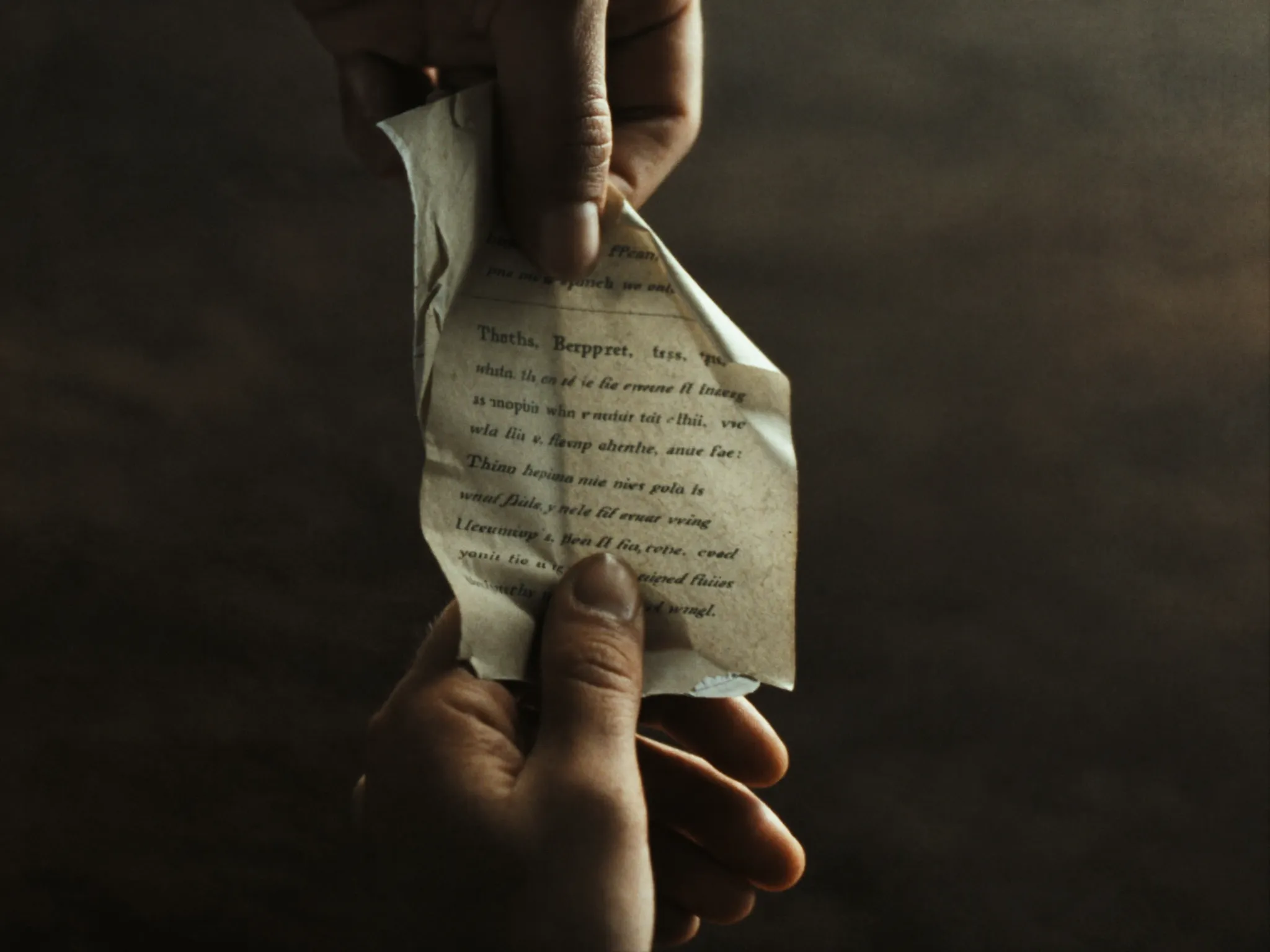
फिलेमानाला पत्र 1 — तो मीच आहे असे मानून त्याचा स्वीकार कर
तुरुंगातून लिहिलेले पौलाचे सर्वांत लहान पत्र. अनेसिम, एक पळून गेलेला दास, जो पौलाच्या सेवाकार्याद्वारे ख्रिस्ताकडे आला आहे, त्याला त्याचा मालक फिलेमोन — जो स्वतःही विश्वासणारा आहे — याच्याकडे परत पाठवले जात आहे. पौल नियमशास्त्राची नव्हे, तर कृपेची विनंती करतो. बंधू म्हणून त्याचा स्वीकार कर. तू माझा स्वीकार करशील तसा त्याचा स्वीकार कर. तो तुझे काही देणे लागत असेल, तर ते माझ्या हिशोबी मांड.
“म्हणून जर तू मला आपला भागीदार समजतोस, तर तो मीच आहे असे मानून त्याचा स्वीकार कर.”
— फिलेमानाला पत्र 1:17
- v.1-7 फिलेमोनाच्या प्रीतीबद्दल व विश्वासाबद्दल पौलाची उपकारस्तुती
- v.8-16 विनंती — अनेसिमचा बंधू म्हणून स्वीकार कर
- v.17-22 प्रतिनिधित्व — त्याचे कर्ज माझ्या हिशोबी मांड
- v.23-25 नमस्कार आणि आशीर्वचन
अनेसिमच्या नावावरील शब्दकोटी (या नावाचा अर्थ उपयोगी असा आहे). एके काळी निरुपयोगी; आता उपयोगी. मनपरिवर्तनाचे एक परिपूर्ण चित्र — तीच व्यक्ती, पण पूर्णपणे बदललेली.
सुवार्ता माणसाची ओळख पुसून टाकत नाही, तर तिचा अर्थ बदलून टाकते. अनेसिम अनेसिमच राहिला. पण निरुपयोगी दास उपयोगी बंधू झाला.
दासापेक्षा श्रेष्ठ, म्हणजे प्रिय बंधू. ख्रिस्ती नाते सामाजिक नात्याच्या पलीकडे जाते. पौल दासप्रथेच्या कायदेशीर निर्मूलनाची मागणी करत नाही, पण तो तिला आतून पोखरतो — मालकाला दासाचा बंधू म्हणून स्वीकार करायला लावून.
गलतीकरांस पत्र 3:28 — दास किंवा स्वतंत्र नाही... ख्रिस्त येशूमध्ये तुम्ही सर्वजण एकच आहात. ख्रिस्तातील नवी ओळख इतर प्रत्येक ओळखीला गौण ठरवते. या सत्याचे परिणाम इतिहासात हळूहळू कार्य करत, दासप्रथेच्याच उच्चाटनाच्या दिशेने पुढे गेले.
शुभवर्तमानांच्या बाहेर आढळणाऱ्या प्रतिनिधिक प्रायश्चित्ताच्या सर्वांत ठळक चित्रांपैकी हे एक आहे. पौल अनेसिमचे कर्ज स्वतःवर घेण्याची तयारी दाखवतो. ते माझ्या हिशोबी मांड. ख्रिस्त प्रत्येक पाप्यासाठी हेच करतात.
करिंथकरांस दुसरे पत्र 5:21 — जो पाप जाणत नव्हता त्यास त्याने आपल्यासाठी पाप असे केले, म्हणजे आपण त्याच्याठायी देवाचे नीतिमत्त्व असे व्हावे. फिलेमोनाला पत्रात पौल एकाचे दुसऱ्याच्या हिशोबी धरले जाण्याचा जो नमुना दाखवतो, तीच सुवार्ता तो सर्वत्र गाजवत असे.
पौल स्वतः ऋणपत्रावर सही करतो. मी स्वतः त्याची फेड करीन. ही प्रतिनिधिक व्यवस्था कायदेशीर ठरावी म्हणून तो आपले नाव पणाला लावतो.
तू स्वतःच माझे ऋण आहेस. फिलेमोन आपल्या तारणासाठी पौलाचा ऋणी होता. म्हणून त्याच्याकडे पुष्कळ क्षमा करण्याची मागणी करता येते. ज्यांना पुष्कळ क्षमा मिळाली आहे, त्यांनी इतरांना पुष्कळ क्षमा करावी अशी अपेक्षा असते (मत्तय 18:21-35).
तुमच्या जीवनात एखादा अनेसिम आहे का — एके काळी ज्याने तुमचे नुकसान केले, जो आता कृपेखाली आहे आणि ज्याला स्वीकाराची गरज आहे? तुम्ही ख्रिस्ताचा स्वीकार कराल तसाच त्यांचा स्वीकार करा. त्यांचे कर्ज प्रभूच्या हिशोबी मांडा; त्यांनी ते आधीच भरले आहे. सुवार्तेवर केवळ विश्वास ठेवला जात नाही; फिलेमोनाच्या निर्णयासारख्याच क्षणांत ती प्रत्यक्ष आचरणात आणली जाते.
पौलाची विनवणी — तो मीच आहे असे मानून त्याचा स्वीकार कर... ते माझ्या हिशोबी मांड — ही लघुरूपातील सुवार्ता आहे. प्रत्येक विश्वासणाऱ्याविषयी ख्रिस्त पित्याला म्हणतात: तो मीच आहे असे मानून त्याचा स्वीकार कर. त्याने तुझे काही नुकसान केले असेल किंवा तो तुझे काही देणे लागत असेल तर ते माझ्या हिशोबी मांड. आणि पिता जसा पुत्राचा स्वीकार करतो, तसाच तो पाप्याचा स्वीकार करतो. फिलेमोनाला पत्र हे सर्वांत लहान पुस्तक आहे — आणि त्यात संपूर्ण सुवार्ता सामावलेली आहे.
या पानावरील तुमच्या भाषेतील पवित्र शास्त्राचा मजकूर: इंडियन रिव्हाइज्ड व्हर्जन (IRV), © 2017, 2019 ब्रिज कनेक्टिव्हिटी सोल्युशन्स — कोणताही बदल न करता या परवान्याअंतर्गत वापरलेला: CC BY-SA 4.0 · eBible.org
पौल आज्ञा करू शकला असता (वचन 8). पण त्याने विनंती करणे पसंत केले. जो अधिकार विनवणीपर्यंत खाली उतरतो, तो मागणी करणाऱ्या अधिकारापेक्षा अधिक मन वळवणारा असतो.
मी वृद्ध झालेला पौल. या वेळेपर्यंत प्रेषित एक म्हातारा माणूस झाला आहे. दिमिष्काच्या रस्त्यावर सुरू झालेले कार्य आता शेवटाकडे येत आहे. जीवनाची अल्पता अगदी लहानातल्या लहान पत्रांनाही वजन देते.