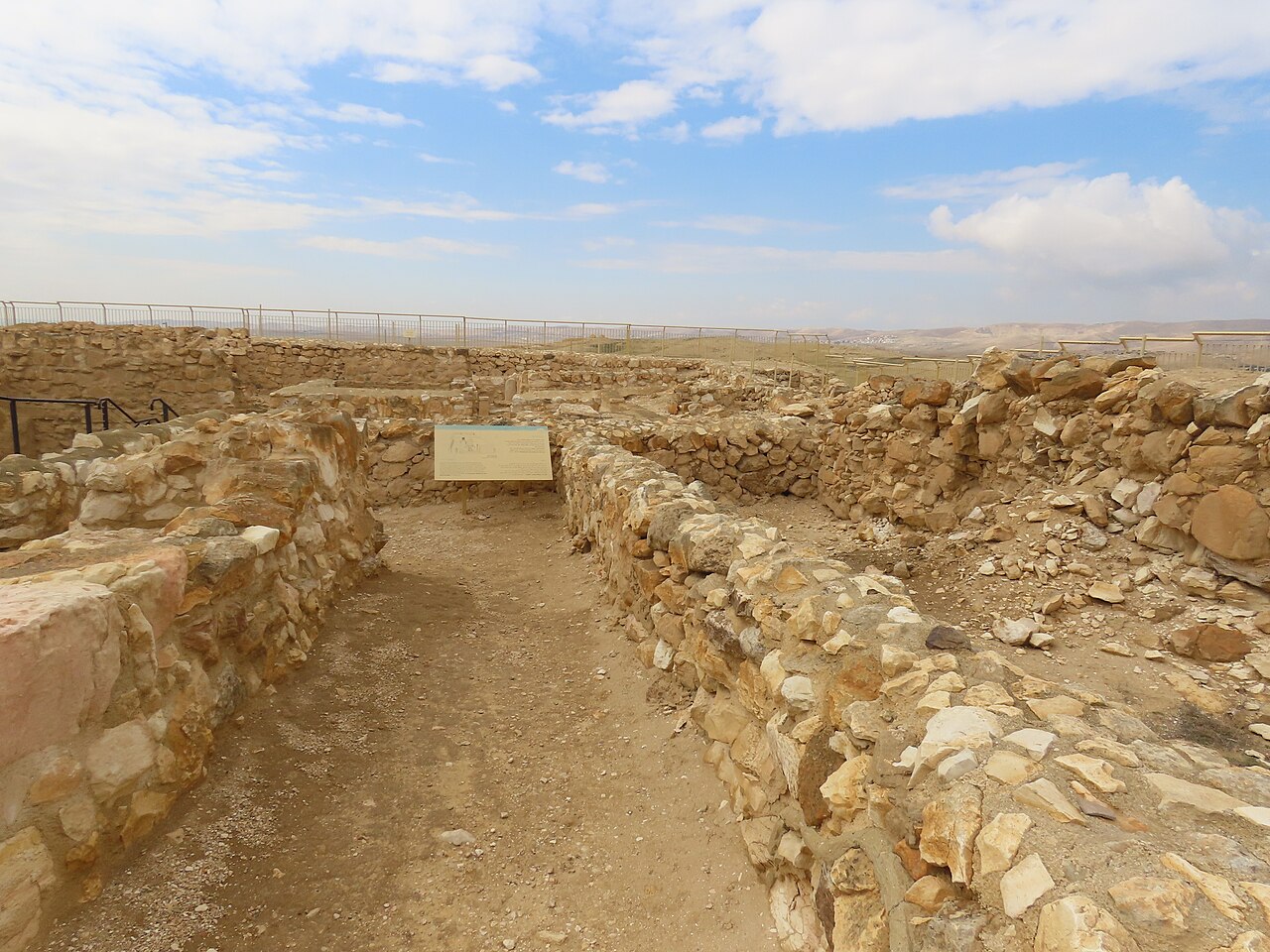

യെരൂശലേമിനു പുറത്തുള്ള ആരാധന നിർത്തലാക്കാൻ യെഹൂദയിലെ രാജാക്കന്മാർ ശ്രമിച്ചുവെന്നും പ്രാദേശിക “പൂജാഗിരികൾ” ഇടിച്ചുകളഞ്ഞുവെന്നും ബൈബിൾ പറയുന്നു. നെഗെബിലെ രണ്ടു കോട്ടകൾ ആ കഥയുടെ ഇരുവശങ്ങളും കാണിക്കുന്നു. അരാദിൽ ഉപയോഗത്തിലിരുന്ന ഒരു ചെറിയ ആരാധനാലയം ഉണ്ടായിരുന്നു — മുറ്റത്ത് ഒരു യാഗപീഠവും നാട്ടുകല്ലുകളുള്ള ഒരു അന്തർഗൃഹവും — ഇതുവരെ ഖനനം ചെയ്യപ്പെട്ട ഒരേയൊരു യെഹൂദ്യ ആരാധനാലയം. ബേർ-ശേബയിൽ, കൊമ്പുകളുള്ള ഒരു വലിയ യാഗപീഠം പൊളിച്ചെടുത്ത് അതിന്റെ കല്ലുകൾ ഒരു മതിലിൽ പുനരുപയോഗിച്ചിരുന്നു — ഒരു പ്രാദേശിക യാഗപീഠം അടച്ചുപൂട്ടാനുള്ള രാജകൽപ്പന അവശേഷിപ്പിക്കുന്നത് കൃത്യമായി ഇതായിരിക്കും. അരാദിലെ സ്വന്തം കത്തുകൾ യിരെമ്യാവിൽനിന്ന് അറിയപ്പെടുന്ന പുരോഹിത കുടുംബങ്ങളെപ്പോലും പേരെടുത്തു പറയുന്നു.
- ഇത് എന്താണ്
- അരാദിലെ ഒരു കോട്ട-ആരാധനാലയവും (മുറ്റത്തെ യാഗപീഠം, നാട്ടുകല്ലുകളും ധൂപപീഠങ്ങളുമുള്ള അന്തർഗൃഹം) ബേർ-ശേബയിൽ ഒരു മതിലിൽ പുനരുപയോഗിച്ച, അഴിച്ചുമാറ്റിയ ഒരു നാലുകൊമ്പുള്ള യാഗപീഠവും
- വസ്തുവിന്റെ കാലം
- ക്രി.മു. 9-ാം–8-ാം നൂറ്റാണ്ടിൽ ഉപയോഗത്തിൽ; ബേർ-ശേബയിലെ യാഗപീഠം ക്രി.മു. 8-ാം നൂറ്റാണ്ടിന്റെ അവസാനം അഴിച്ചുമാറ്റി
- കണ്ടെത്തിയത്
- നെഗെബിലെ ടെൽ അരാദ്, ടെൽ ബേർ-ശേബ കോട്ടകൾ (യോഹാനാൻ അഹറോണിയുടെ ഖനനങ്ങൾ)
- ഇപ്പോൾ എവിടെ
- ഇസ്രായേൽ മ്യൂസിയത്തിലും സ്ഥലത്തുതന്നെയും
- ബന്ധപ്പെട്ടത്
- പ്രാദേശിക യെഹൂദ്യ ആരാധന — ഹിസ്കീയാവിന്റെയും യോശീയാവിന്റെയും ആരാധനാ പരിഷ്കാരങ്ങളും
- തിരുവെഴുത്ത്
- 2 രാജാക്കന്മാർ 18:4 · 2 രാജാക്കന്മാർ 18:22 · 2 രാജാക്കന്മാർ 23:8
ഈ കണ്ടെത്തൽ കാണിക്കുന്നത്യെരൂശലേമിനു പുറത്തുള്ള യെഹൂദ്യ ആരാധനാസ്ഥലങ്ങളിൽ ആരാധന യഥാർഥത്തിൽ നടന്നിരുന്നു; അത്തരമൊരു യാഗപീഠമെങ്കിലും മനഃപൂർവം അഴിച്ചുമാറ്റപ്പെട്ടു — രാജാക്കന്മാരുടെ പുസ്തകം വിവരിക്കുന്ന പരിഷ്കാരങ്ങളുമായി ഇതു പൊരുത്തപ്പെടുന്നു.
ഇതു തെളിയിക്കാത്തത്ഒരു ലിഖിതവും ഇവയിലേതിനെയും നേരിട്ട് ഹിസ്കീയാവുമായോ യോശീയാവുമായോ ബന്ധിപ്പിക്കുന്നില്ല; “പരിഷ്കാരം” എന്ന വായന ശക്തമായ ഒരു അനുമാനമാണ്, തെളിയിക്കപ്പെട്ട വസ്തുതയല്ല.
തർക്കവിഷയം: അരാദിന്റെ അടുക്കുകളും കാലനിർണയവും പതിറ്റാണ്ടുകളോളം ചർച്ച ചെയ്യപ്പെട്ടു; അതിലെ രണ്ടു നാട്ടുകല്ലുകളുടെ അർഥം അനിശ്ചിതമാണ്. ശ്രദ്ധേയമായി, രണ്ടു യാഗപീഠങ്ങളും ഭംഗിയായി ചെത്തിയ കല്ലുകൊണ്ടുള്ളതാണ് — ചെത്താത്ത കല്ലുകൊണ്ടു യാഗപീഠം പണിയണമെന്ന ബൈബിൾ കൽപ്പനയുമായി ഇത് ഒട്ടും ഇണങ്ങുന്നില്ല.
സ്രോതസ്സുകളും കൂടുതൽ വായനയും