ಕರಡು ಅನುವಾದ. ಮಾತೃಭಾಷಾ ಕ್ರೈಸ್ತರ ತಿದ್ದುಪಡಿಗಳಿಗೆ ಸ್ವಾಗತ. ವಚನ ಪಠ್ಯ KJV (ಇಂಗ್ಲಿಷ್)ನಲ್ಲಿರುತ್ತದೆ.
ಅಪೊಸ್ತಲರ ಕೃತ್ಯಗಳು 19 — ಕರ್ತನಾದ ಯೇಸುವಿನ ಹೆಸರು ಘನಹೊಂದಿತು
ಪವಿತ್ರಾತ್ಮನ ವಿಷಯವನ್ನೇ ಕೇಳಿರದ ಕೆಲವು ಶಿಷ್ಯರನ್ನು ಪೌಲನು ಎಫೆಸದಲ್ಲಿ ಕಾಣುತ್ತಾನೆ; ಅವರು ಕರ್ತನಾದ ಯೇಸುವಿನ ಹೆಸರಿನಲ್ಲಿ ದೀಕ್ಷಾಸ್ನಾನ ಹೊಂದಿ ಪವಿತ್ರಾತ್ಮನನ್ನು ಪಡೆಯುತ್ತಾರೆ. ಎರಡು ವರ್ಷಗಳ ಕಾಲ ಅವನು ತುರನ್ನನ ತರ್ಕಶಾಲೆಯಲ್ಲಿ ಚರ್ಚೆಮಾಡುತ್ತಾನೆ; ಅಸ್ಯಸೀಮೆಯಲ್ಲಿ ವಾಸವಾಗಿದ್ದ ಎಲ್ಲಾ ಯೆಹೂದ್ಯರೂ, ಗ್ರೀಕರೂ, ಕರ್ತನ ವಾಕ್ಯವನ್ನು ಕೇಳಿದರು. ದೇವರು ಅವನ ಕೈಯಿಂದ ವಿಶೇಷವಾದ ಮಹತ್ಕಾರ್ಯಗಳನ್ನು ನಡಿಸುತ್ತಾನೆ. ಯೇಸುವಿಗೆ ಸೇರಿದವರಾಗದೆ ಆತನ ಹೆಸರನ್ನು ಬಳಸಲು ಪ್ರಯತ್ನಿಸಿದ ಸ್ಕೇವನ ಏಳು ಮಂದಿ ಮಕ್ಕಳು ದುರಾತ್ಮನಿಂದ ಏಟು ತಿನ್ನುತ್ತಾರೆ — ಯೇಸುವಿನ ಗುರುತು ನನಗುಂಟು, ಪೌಲನನ್ನೂ ಬಲ್ಲೆನು, ಆದರೆ ನೀವು ಯಾರು? ಅನೇಕರು ತಮ್ಮ ಮಾಟಮಂತ್ರಗಳ ಪುಸ್ತಕಗಳನ್ನು ಸುಟ್ಟುಬಿಡುತ್ತಾರೆ. ಬೆಳ್ಳಿ ಕೆಲಸಗಾರನಾದ ದೇಮೇತ್ರಿಯನು ಒಂದು ಗಲಭೆಯನ್ನು ಎಬ್ಬಿಸುತ್ತಾನೆ — ಎಫೆಸದವರ ಅರ್ತೆಮೀದೇವಿ ದೊಡ್ಡವಳು — ಎರಡು ಘಂಟೆ ಹೊತ್ತು.
“ಈ ರೀತಿಯಾಗಿ ಕರ್ತನ ವಾಕ್ಯವು ಬಹಳವಾಗಿ ಹೆಚ್ಚುತ್ತಾ ಪ್ರಬಲವಾಯಿತು.”
— ಅಪೊಸ್ತಲರ ಕೃತ್ಯಗಳು 19:20
- v.1-7 ಹನ್ನೆರಡು ಶಿಷ್ಯರು ಆ ಹೆಸರಿನಲ್ಲಿ ದೀಕ್ಷಾಸ್ನಾನ ಹೊಂದುತ್ತಾರೆ
- v.8-12 ತುರನ್ನನ ತರ್ಕಶಾಲೆಯಲ್ಲಿ ಎರಡು ವರ್ಷ
- v.13-20 ಸ್ಕೇವನ ಮಕ್ಕಳು; ಮಾಟಮಂತ್ರಗಳ ಪುಸ್ತಕಗಳ ದಹನ
- v.21-41 ಬೆಳ್ಳಿ ಕೆಲಸಗಾರರ ಗಲಭೆ
ದುರಾತ್ಮವು ಯೇಸುವನ್ನು ಗುರುತಿಸಿತು ಮತ್ತು ಪೌಲನನ್ನು ಒಪ್ಪಿಕೊಂಡಿತು; ಅನುಕರಿಸುವವರು ಅದಕ್ಕೆ ತಿಳಿದಿರಲಿಲ್ಲ. ಯೇಸುವಿನ ಹೆಸರು ಎರವಲು ಪಡೆಯುವ ಒಂದು ಸೂತ್ರವಲ್ಲ; ಆತನಿಗೆ ಸೇರಿದವರು ಅದನ್ನು ಉಪಯೋಗಿಸಿದಾಗ ಮಾತ್ರ ಅದಕ್ಕೆ ಬಲವಿರುತ್ತದೆ.
ನಿಜವಾದ ಐಕ್ಯತೆಯಿಲ್ಲದೆ ಕ್ರಿಸ್ತನ ಹೆಸರನ್ನು ಹಗುರವಾಗಿ ಉಪಯೋಗಿಸುವುದು ಕೆಟ್ಟದ್ದಾಗಿ ಮುಗಿಯುತ್ತದೆ. ಸ್ಕೇವನ ಏಳು ಮಂದಿ ಮಕ್ಕಳು ಬೆತ್ತಲೆಯಾಗಿಯೂ ಗಾಯಗೊಂಡವರಾಗಿಯೂ ಓಡಿಹೋದರು. ಪಾಠವು ಗಂಭೀರವಾದದ್ದು — ಆತ್ಮಿಕ ಶಕ್ತಿಯು ಒಂದು ತಂತ್ರವಲ್ಲ; ಅದು ಆತನಿಗೆ ಸೇರಿದವರಾಗಿರುವುದರಿಂದ ಹರಿಯುತ್ತದೆ.
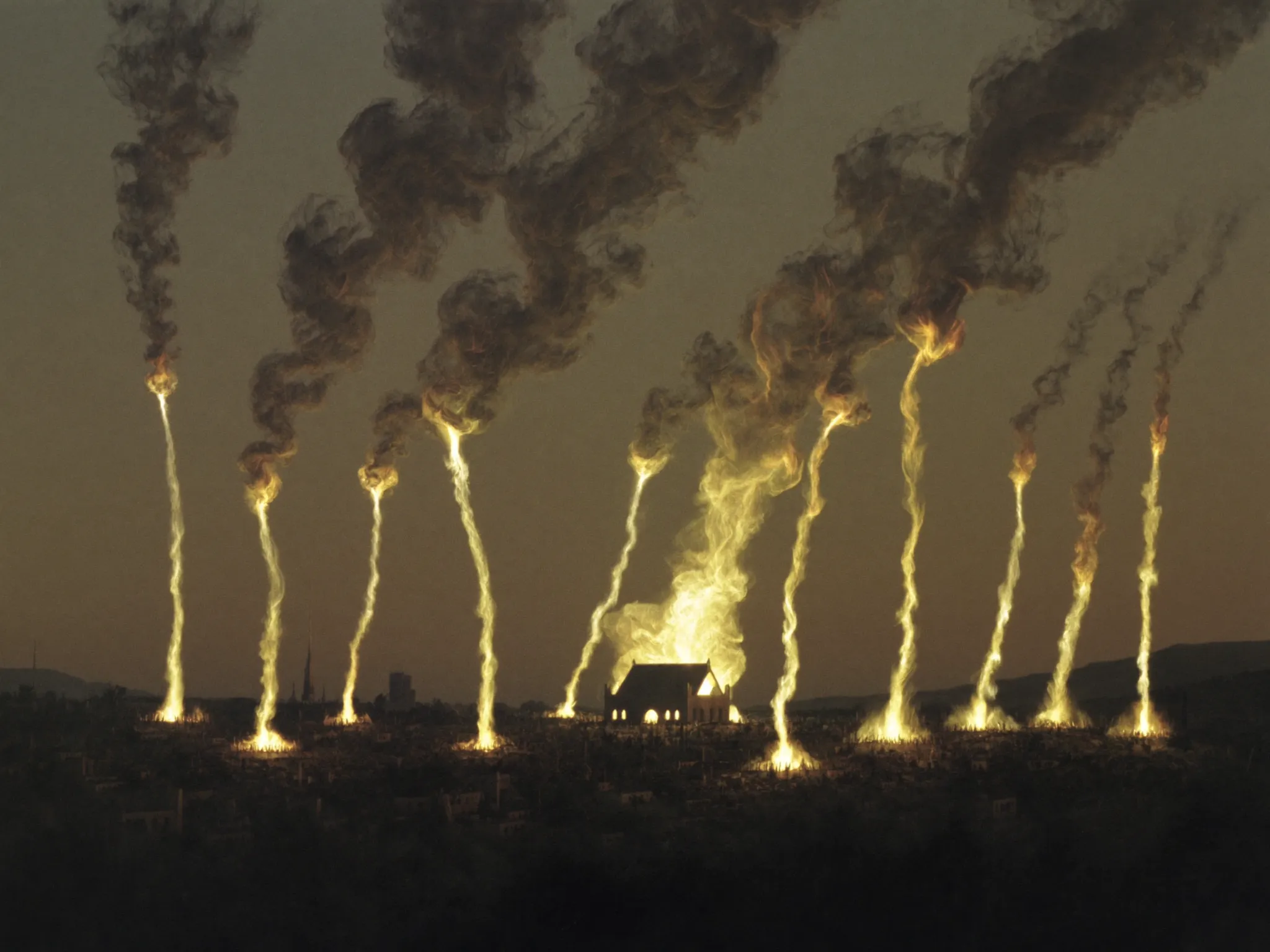
ಬೆಲೆಯುಳ್ಳ, ಸಾರ್ವಜನಿಕ ಪಶ್ಚಾತ್ತಾಪ. ಪುಸ್ತಕಗಳು ಬೆಲೆಬಾಳುವಂಥವುಗಳಾಗಿದ್ದವು; ಬೆಳ್ಳಿಯ ಮೊತ್ತವು ದೊಡ್ಡದಾಗಿತ್ತು; ಬೆಂಕಿಯು ಎಲ್ಲರಿಗೂ ಕಾಣುತ್ತಿತ್ತು. ನಿಜವಾದ ಪರಿವರ್ತನೆಯು ಹೊಸ ಸಾಧನಗಳನ್ನು ಕೇವಲ ಸೇರಿಸುವುದರಲ್ಲಲ್ಲ, ಹಳೆಯ ಜೀವನದ ಸಾಧನಗಳನ್ನು ನಾಶಮಾಡುವುದರಲ್ಲಿ ಕಾಣಿಸುತ್ತದೆ.
ಆಧುನಿಕ ಸಮಾನಾಂತರಗಳು — ಕಡತಗಳು, ಖಾತೆಗಳು, ಸಾಧನಗಳು, ಒಪ್ಪಂದಗಳು. ಅಧ್ಯಾಯವು ಈ ಪ್ರಶ್ನೆಯನ್ನು ಸೂಚಿಸುತ್ತದೆ: ನಿಮ್ಮ ಪಶ್ಚಾತ್ತಾಪವು ಅವರದಷ್ಟು ಸಂಪೂರ್ಣವಾಗಿದ್ದರೆ, ಯಾವುದು ಬೆಂಕಿಗೆ ಹೋಗಬೇಕಾಗುತ್ತಿತ್ತು?
ಈ ರೀತಿಯ ಲೂಕನ ಮೂರನೆಯ ಸಾರಾಂಶ ವಚನ (ಅಪೊಸ್ತಲರ ಕೃತ್ಯಗಳು 6:7, 12:24, 19:20). ಪ್ರತಿಯೊಂದೂ ಒಂದು ಪ್ರಗತಿಯನ್ನು ಗುರುತಿಸುತ್ತದೆ ಮತ್ತು ಚಿಕ್ಕದಾಗಿದೆ. ಬೆಳವಣಿಗೆಯು ಸಭೆಯ ಪ್ರಯತ್ನವಲ್ಲ; ಅದು ವಾಕ್ಯದ್ದು.
ಪ್ರಬಲವಾಯಿತು. ಮಾಟಮಂತ್ರಕ್ಕೆ ವಿರುದ್ಧವಾಗಿ, ಸಂಘಟಿತ ವಿಗ್ರಹಾರಾಧನೆಗೆ ವಿರುದ್ಧವಾಗಿ, ಗಲಭೆಮಾಡುವ ಕುಶಲಕರ್ಮಿಗಳಿಗೆ ವಿರುದ್ಧವಾಗಿ. ತನ್ನನ್ನು ವಿರೋಧಿಸುವುದರ ಮೇಲೆಯೇ ಕಟ್ಟಲ್ಪಟ್ಟಿದ್ದ ಉದ್ಯಮಗಳನ್ನೇ ವಾಕ್ಯವು ಹಿಂದಿಕ್ಕಿತು. ವಾಕ್ಯವು ಸಾರಲ್ಪಟ್ಟು ಪಾಲಿಸಲ್ಪಡುವಲ್ಲಿ, ಲೋಕವು ಅಚಲವೆಂದು ಎಣಿಸಿದ್ದು ಕದಲಲಾರಂಭಿಸುತ್ತದೆ.
19 ನೆಯ ವಚನವು ಪಶ್ಚಾತ್ತಾಪವನ್ನು ಅಳೆಯುತ್ತದೆ. ಎಫೆಸದವರು ಬೆಲೆಬಾಳುವುದನ್ನು ಸುಟ್ಟುಬಿಟ್ಟರು. ಆಧುನಿಕ ವಿಶ್ವಾಸಿಗಳು ಅನೇಕ ಸಾರಿ ಹೊಸ ಜೀವನಕ್ಕೆ ವಿರುದ್ಧವಾದ ಅಭ್ಯಾಸಗಳು, ಸಾಧನಗಳು, ಸಂಪರ್ಕಗಳು, ಕಡತಗಳನ್ನು ಉಳಿಸಿಕೊಳ್ಳುತ್ತಾರೆ — ನಾಶಮಾಡುವುದಕ್ಕಿಂತ ನಿಭಾಯಿಸುವುದನ್ನೇ ಇಷ್ಟಪಡುತ್ತಾರೆ. ಯಾವ ಬೆಲೆಯೂ ತೆರದ ಪಶ್ಚಾತ್ತಾಪವು ಸ್ವಲ್ಪವನ್ನೇ ಬದಲಾಯಿಸುತ್ತದೆ. ನಿಮ್ಮ ಜೀವನದಲ್ಲಿ ಯಾವ ಬೆಂಕಿ ಬಾಕಿ ಇದೆ ಎಂದು ಕೇಳಿಕೊಳ್ಳಿರಿ, ಮತ್ತು ಅದನ್ನು ಹೊತ್ತಿಸಿರಿ.
ಸಂಘಟಿತ ಮಾಟಮಂತ್ರ ಮತ್ತು ಬೇರೂರಿದ ವಿಗ್ರಹಾರಾಧನೆಗೆ ವಿರುದ್ಧವಾಗಿ ಎಫೆಸದಲ್ಲಿ ಯೇಸುವಿನ ಹೆಸರು ಏರುವುದೇ ಈ ಅಧ್ಯಾಯ. ದುರಾತ್ಮವು ಆ ಹೆಸರನ್ನು ಗೌರವಿಸಿತು; ಸುಳ್ಳು ಆಚರಣೆಗಾರರು ಅದನ್ನು ಎರವಲು ಪಡೆಯಲಾರದೆ ಹೋದರು; ವಿಶ್ವಾಸಿಗಳು ಅದಕ್ಕೆ ವಿರುದ್ಧವಾದದ್ದನ್ನು ತಮ್ಮ ಜೀವನಗಳಿಂದ ತೆಗೆದುಹಾಕಿದರು; ಆ ಪೂಜಾಪಂಥವು ಗಿರಾಕಿಗಳನ್ನು ಕಳೆದುಕೊಳ್ಳುತ್ತಿದ್ದುದರಿಂದ ಬೆಳ್ಳಿ ಕೆಲಸಗಾರರು ಗಲಭೆಮಾಡಿದರು. ಎಲ್ಲೆಡೆಯಲ್ಲಿಯೂ, ಆ ಹೆಸರೇ ವಿಷಯವಾಗಿತ್ತು — ಮತ್ತು ಆ ಹೆಸರೇ ಜಯಹೊಂದಿತು.
ಈ ಪುಟದಲ್ಲಿ ನಿಮ್ಮ ಭಾಷೆಯ ಶಾಸ್ತ್ರಪಾಠ: ಇಂಡಿಯನ್ ರಿವೈಸ್ಡ್ ವರ್ಷನ್ (IRV), © 2017, 2019 ಬ್ರಿಡ್ಜ್ ಕನೆಕ್ಟಿವಿಟಿ ಸೊಲ್ಯೂಷನ್ಸ್ — ಯಾವುದೇ ಬದಲಾವಣೆಯಿಲ್ಲದೆ ಈ ಪರವಾನಗಿಯಡಿ ಬಳಸಲಾಗಿದೆ: CC BY-SA 4.0 · eBible.org
ಎಫೆಸದಲ್ಲಿದ್ದ ಹನ್ನೆರಡು ಮಂದಿ ಅಪೂರ್ಣವಾದ ನಂಬಿಕೆಯನ್ನು ಹೊಂದಿದ್ದರು — ಯೋಹಾನನ ದೀಕ್ಷಾಸ್ನಾನವನ್ನು ತಿಳಿದಿದ್ದರು, ಆದರೆ ಪಂಚಾಶತ್ತಮವನ್ನು ತಿಳಿದಿರಲಿಲ್ಲ. ಪೌಲನು ಅವರ ತಿಳುವಳಿಕೆಯನ್ನು ಪೂರ್ಣಗೊಳಿಸುತ್ತಾನೆ. ಇಂದಿಗೂ ಅಪೂರ್ಣ ಸತ್ಯವನ್ನು ಹಿಡಿದುಕೊಂಡಿರುವ ಪ್ರಾಮಾಣಿಕ ವಿಶ್ವಾಸಿಗಳಿದ್ದಾರೆ; ಉಳಿದದ್ದನ್ನು ಅವರಿಗೆ ಬೋಧಿಸುವುದೇ ಮಾಡಬೇಕಾದ ಕಾರ್ಯ.
ಪೌಲನ ಪರೀಕ್ಷಾ ಪ್ರಶ್ನೆಯು ಜೊತೆಯಲ್ಲಿ ಕೊಂಡೊಯ್ಯಲು ಯೋಗ್ಯವಾದದ್ದು: ನೀವು ನಂಬಿದಾಗ ಪವಿತ್ರಾತ್ಮವರವನ್ನು ಹೊಂದಿದಿರೋ? ಕ್ರೈಸ್ತ ಜೀವನವು ಪವಿತ್ರಾತ್ಮನ ಕುರಿತಾದ ಸರಿಯಾದ ವಿಚಾರಗಳೊಂದಿಗೆ ಮಾತ್ರವಲ್ಲ, ಆತನಲ್ಲಿ ಜೀವಿಸಬೇಕಾದದ್ದಾಗಿದೆ.