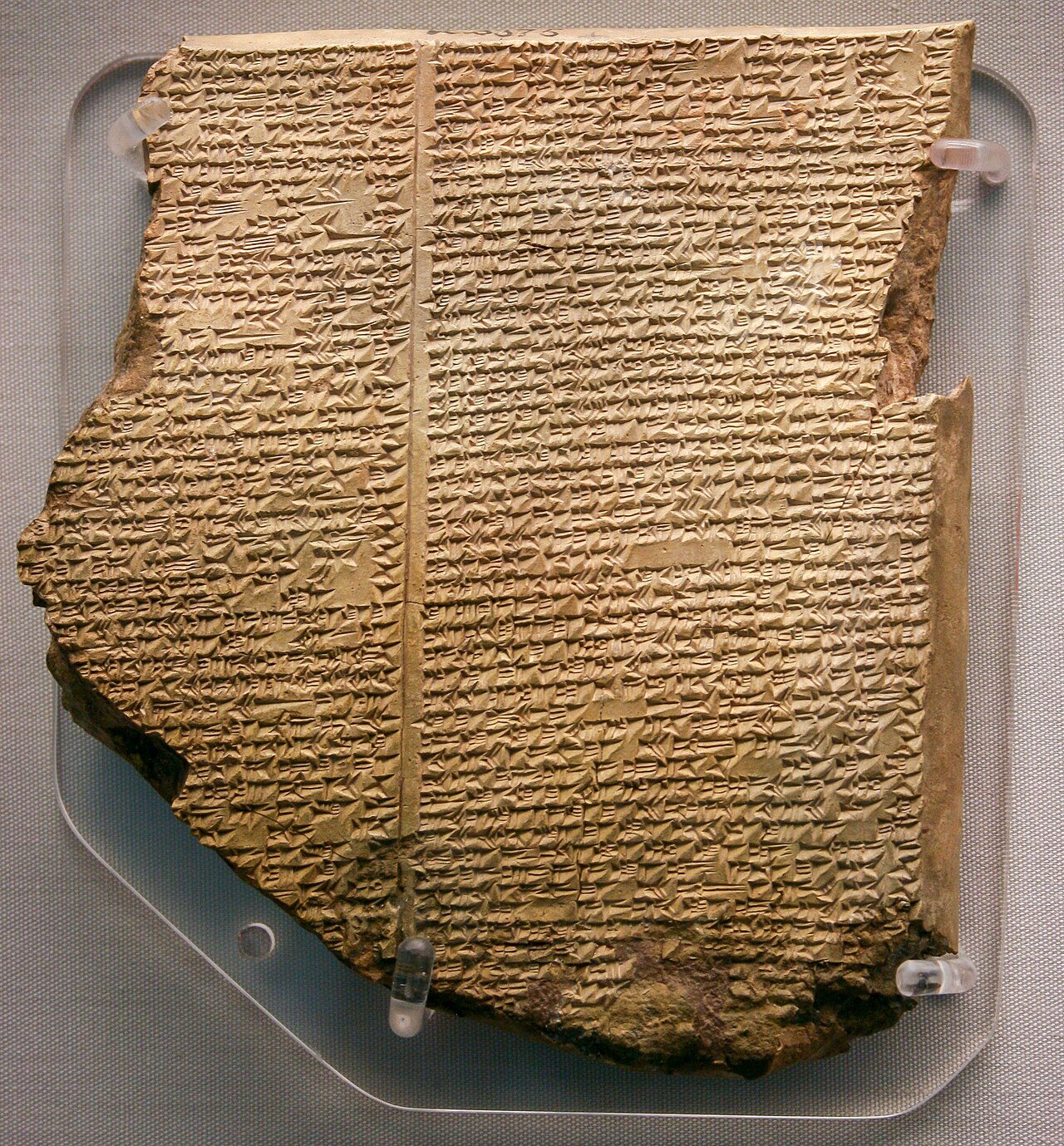

1872ರಲ್ಲಿ ಜಾರ್ಜ್ ಸ್ಮಿತ್ ಈ ಫಲಕವನ್ನು ಮೊದಲ ಬಾರಿ ಓದಿ, ಬಾಬೆಲಿನ ಒಬ್ಬ ಜಲಪ್ರಳಯ-ನಾಯಕನು ಒಂದು ದೊಡ್ಡ ನಾವೆಯನ್ನು ಕಟ್ಟಿ, ಜಲಪ್ರಳಯವನ್ನು ದಾಟಿ, ಒಣನೆಲವನ್ನು ಹುಡುಕಲು ಪಕ್ಷಿಗಳನ್ನು ಹೊರಗೆ ಕಳುಹಿಸುವುದನ್ನು ಕಂಡಾಗ, ಅದು ಸಾರ್ವಜನಿಕವಾಗಿ ದೊಡ್ಡ ಸಂಚಲನವನ್ನು ಉಂಟುಮಾಡಿತು. ನೋಹನೊಂದಿಗಿನ ಸಮಾನಾಂತರಗಳು ನಿಜವಾದವು ಮತ್ತು ನಿಕಟವಾದವು. ಆದರೆ ಅವು ಏನನ್ನು ತೋರಿಸುತ್ತವೆ ಎಂಬುದು ಚರ್ಚೆಯಲ್ಲಿದೆ — ಮತ್ತು ಅದನ್ನು ಎಚ್ಚರಿಕೆಯಿಂದ ಹೇಳುವುದು ಯೋಗ್ಯ.
- ಇದು ಏನು
- ಅಕ್ಕಾದಿಯನ್ ಕ್ಯೂನಿಫಾರ್ಮ್ ಲಿಪಿಯಲ್ಲಿ ಬಾಬೆಲಿನ ಒಂದು ಜಲಪ್ರಳಯ ಕಥೆಯನ್ನು ಹೊತ್ತಿರುವ ಮಣ್ಣಿನ ಫಲಕ (ಗಿಲ್ಗಮೆಶ್ ಮಹಾಕಾವ್ಯದ XI ನೇ ಫಲಕ)
- ವಸ್ತುವಿನ ಕಾಲ
- ಬಹಳ ಹಳೆಯ ಪರಂಪರೆಯೊಂದರ ಕ್ರಿ.ಪೂ. 7ನೇ ಶತಮಾನದ ಪ್ರತಿ
- ಪತ್ತೆಯಾದದ್ದು
- ಅಶುರ್ಬಾನಿಪಾಲನ ಗ್ರಂಥಾಲಯ, ನಿನೆವೆ, ಇರಾಕ್, 1853 (ಹೊರ್ಮುಜ್ದ್ ರಸ್ಸಾಮ್ ಉತ್ಖನನ ಮಾಡಿದರು; ಜಲಪ್ರಳಯದ ಪಠ್ಯವನ್ನು 1872ರಲ್ಲಿ ಜಾರ್ಜ್ ಸ್ಮಿತ್ ಓದಿದರು)
- ಈಗ ಎಲ್ಲಿದೆ
- ಬ್ರಿಟಿಷ್ ವಸ್ತುಸಂಗ್ರಹಾಲಯ, ಲಂಡನ್
- ಸಂಬಂಧಿಸಿರುವುದು
- ನೋಹನ ಜಲಪ್ರಳಯ
- ಶಾಸ್ತ್ರಗ್ರಂಥ
- ಆದಿಕಾಂಡ 6–9
ಈ ಶೋಧವು ತೋರಿಸುವುದುನೋಹನ ಕಥೆಯನ್ನು ಹೋಲುವ ಗಮನಾರ್ಹ ವಿವರಗಳುಳ್ಳ ಒಂದು ಜಲಪ್ರಳಯ ಕಥೆಯು ಪ್ರಾಚೀನ ಸಮೀಪ ಪೂರ್ವದಾದ್ಯಂತ ಪ್ರಚಲಿತವಾಗಿತ್ತು; ಅದು ನಮ್ಮ ಬಳಿ ಇರುವ ಆದಿಕಾಂಡದ ಅತ್ಯಂತ ಹಳೆಯ ಪ್ರತಿಗಳಿಗಿಂತಲೂ ಹಳೆಯದು.
ಇದು ರುಜುವಾತುಪಡಿಸದಿರುವುದುಇದು ಅಕ್ಷರಶಃ ಜಾಗತಿಕ ಜಲಪ್ರಳಯವನ್ನಾಗಲಿ, ಆದಿಕಾಂಡವು ಇತಿಹಾಸವೆಂದಾಗಲಿ ಸಾಬೀತುಪಡಿಸುವುದಿಲ್ಲ; ಬಾಬೆಲಿನ ಆವೃತ್ತಿಯು ಬಹುದೇವತಾವಾದಿಯಾಗಿದೆ, ಮತ್ತು ಹೆಚ್ಚಿನ ವಿದ್ವಾಂಸರು ಇವೆರಡನ್ನೂ ಸ್ವತಂತ್ರ ವರದಿಗಳೆಂದು ನೋಡದೆ, ಮೆಸೊಪೊಟೇಮಿಯದ ಒಂದೇ ಹಂಚಿಕೊಂಡ ಜಲಪ್ರಳಯ ಪರಂಪರೆಯ ಎರಡು ಕವಲುಗಳೆಂದು ನೋಡುತ್ತಾರೆ.
ವಿವಾದಿತ: ಆದಿಕಾಂಡವು ಈ ಪರಂಪರೆಯನ್ನು ಆಧರಿಸಿದೆಯೇ, ಅಥವಾ ಎರಡೂ ಒಂದು ಸಾಮಾನ್ಯ ನೆನಪನ್ನು ಆಧರಿಸಿವೆಯೇ ಎಂಬುದು ನಿಜವಾಗಿಯೂ ವಿವಾದಿತ. ಈ ಫಲಕವು ಸ್ಥಾಪಿಸುವುದು ಒಂದು ಹಂಚಿಕೊಂಡ ಕಥೆಯನ್ನು, ದೃಢಪಡಿಸಿದ ಘಟನೆಯನ್ನಲ್ಲ.
ಮೂಲಗಳು ಮತ್ತು ಹೆಚ್ಚಿನ ಓದು