मसौदा अनुवाद. मातृभाषी ईसाइयों के सुधार स्वागत हैं। पद-पाठ KJV (अंग्रेज़ी) में रहता है।
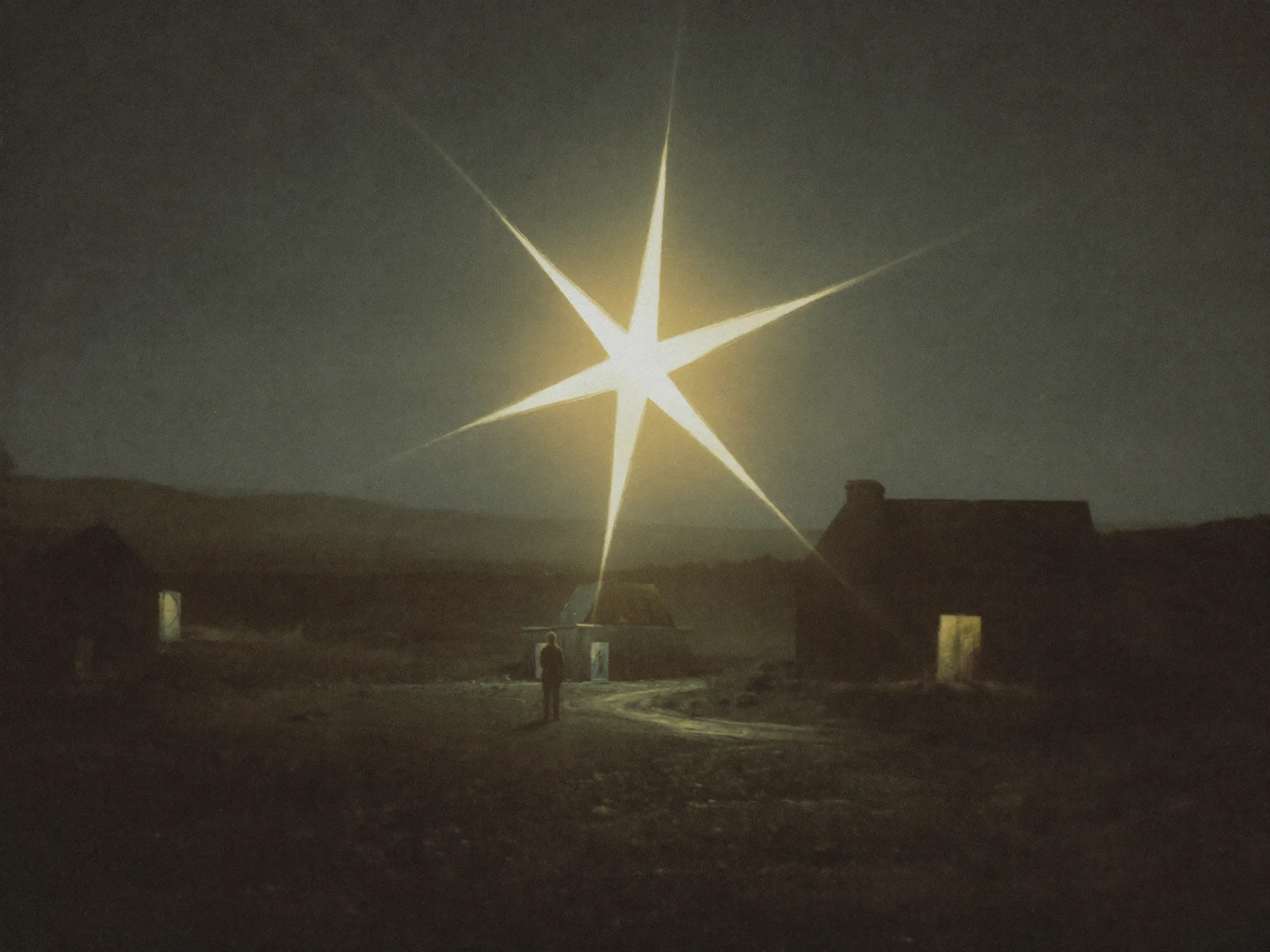
मत्ती 17 — यह मेरा प्रिय पुत्र है: इसकी सुनो
छः दिन के बाद यीशु पतरस, याकूब और यूहन्ना को एक ऊँचे पहाड़ पर ले जाते हैं। उनका रूपान्तरण होता है — उनका मुँह सूर्य के समान, वस्त्र ज्योति के समान उजले। मूसा और एलिय्याह दिखाई देते हैं। पतरस का मण्डप बनाने का सुझाव। उजला बादल, पिता की आवाज़ — यह मेरा प्रिय पुत्र है... इसकी सुनो। नीचे उतरते हुए वे उन्हें आज्ञा देते हैं कि पुनरुत्थान के बाद तक किसी से न कहें। एक दुष्टात्मा-ग्रस्त लड़का जिसे चेले चंगा न कर सके; यदि तुम्हारा विश्वास राई के दाने के बराबर भी हो। दुःख-भोग की दूसरी भविष्यद्वाणी। मन्दिर का कर — मछली के मुँह में सिक्का।
“वह बोल ही रहा था, कि एक उजले बादल ने उन्हें छा लिया, और उस बादल में से यह शब्द निकला, “यह मेरा प्रिय पुत्र है, जिससे मैं प्रसन्न हूँ: इसकी सुनो।””
— मत्ती 17:5
- v.1-13 रूपान्तरण
- v.14-21 दुष्टात्मा-ग्रस्त लड़का
- v.22-23 दुःख-भोग की दूसरी भविष्यद्वाणी
- v.24-27 मन्दिर का कर
इसकी सुनो। पिता का चरम आदेश। मूसा और एलिय्याह — व्यवस्था और भविष्यद्वक्ता — पुत्र के साथ खड़े रहे हैं; अब वे पीछे हट जाते हैं। स्वर्ग से आई आवाज़ सारा ध्यान मसीह की ओर मोड़ देती है।
मसीही विश्वास मसीह की सुनने का धर्म है। व्यवस्था और भविष्यद्वक्ताओं ने जिस किसी की ओर संकेत किया, वह पुत्र बोलते हैं। ब्रह्माण्ड का सबसे गहरा अधिकार कहता है — उनकी सुनो।
राई के दाने के बराबर विश्वास। सबसे छोटा बीज; सबसे बड़ी शक्ति। बात विश्वास के आकार की नहीं बल्कि उसके विषय के आकार की है। सर्वशक्तिमान पर थोड़ा सा सच्चा विश्वास गलत जगह लगे बड़े जोश से अधिक करता है।
इस पद को प्रायः सन्दर्भ से अलग करके लिया जाता है। मसीह चेलों की दुष्टात्मा निकालने में विफलता को डाँट रहे हैं, माँगने पर मनमाने आश्चर्यकर्मों का वादा नहीं कर रहे। यहाँ विश्वास उस काम के लिये है जो परमेश्वर ने सौंपा है, और उनके निर्देशन में प्रयोग किया जाता है।
पद 5 बाइबल का सबसे सरल बुलावा है — इसकी सुनो। बहुत से मसीहियों ने वर्षों तक मसीह के वचन पढ़े हैं पर उन पर चले नहीं। पिता का आदेश सराहना करने का नहीं बल्कि आज्ञा मानने का है। इस सप्ताह उनकी कोई एक बात लीजिए और उसे व्यवहार में लाइए। बादल में से आई आवाज़ यही माँगती है।
पहाड़ पर मसीह की महिमा प्रगट होती है; घाटी में एक थके हुए पिता की विनती का उत्तर मिलता है। दोनों दृश्यों पर वही प्रभु राज्य करते हैं। रूपान्तरण क्रूस से ठीक पहले पिता का समर्थन है — मसीह मरने के लिये पहाड़ से नीचे उतरते हैं, और पिता का सार्वजनिक इसकी सुनो अभी भी गूँज रहा है।
इस पृष्ठ पर आपकी भाषा में पवित्रशास्त्र का पाठ: इंडियन रिवाइज़्ड वर्ज़न (IRV), © 2017, 2019 ब्रिज कनेक्टिविटी सॉल्यूशंस — बिना बदलाव के इस लाइसेंस के अंतर्गत प्रयुक्त: CC BY-SA 4.0 · eBible.org
शरीर का परदा थोड़ी देर के लिये उठ जाता है। चेले समय के भीतर वह देखते हैं जो मसीह अनन्तकाल से रहे हैं — परमेश्वर की महिमा का प्रकाश (इब्रानियों 1:3)। वे वह देख रहे हैं जिसे उन्होंने उनके बीच वास करने के लिये ढक रखा था।
एक झलक जिसे चेलों को साथ लेकर चलना होगा। पतरस अपनी पत्री में इसे याद करते हैं (2 पतरस 1:16-18)। क्रूस कुछ ही दिन दूर है; यहाँ दिखाई गई महिमा वह वास्तविकता है जिसे क्रूस ने बदला नहीं।