मसौदा अनुवाद. मातृभाषी ईसाइयों के सुधार स्वागत हैं। पद-पाठ KJV (अंग्रेज़ी) में रहता है।
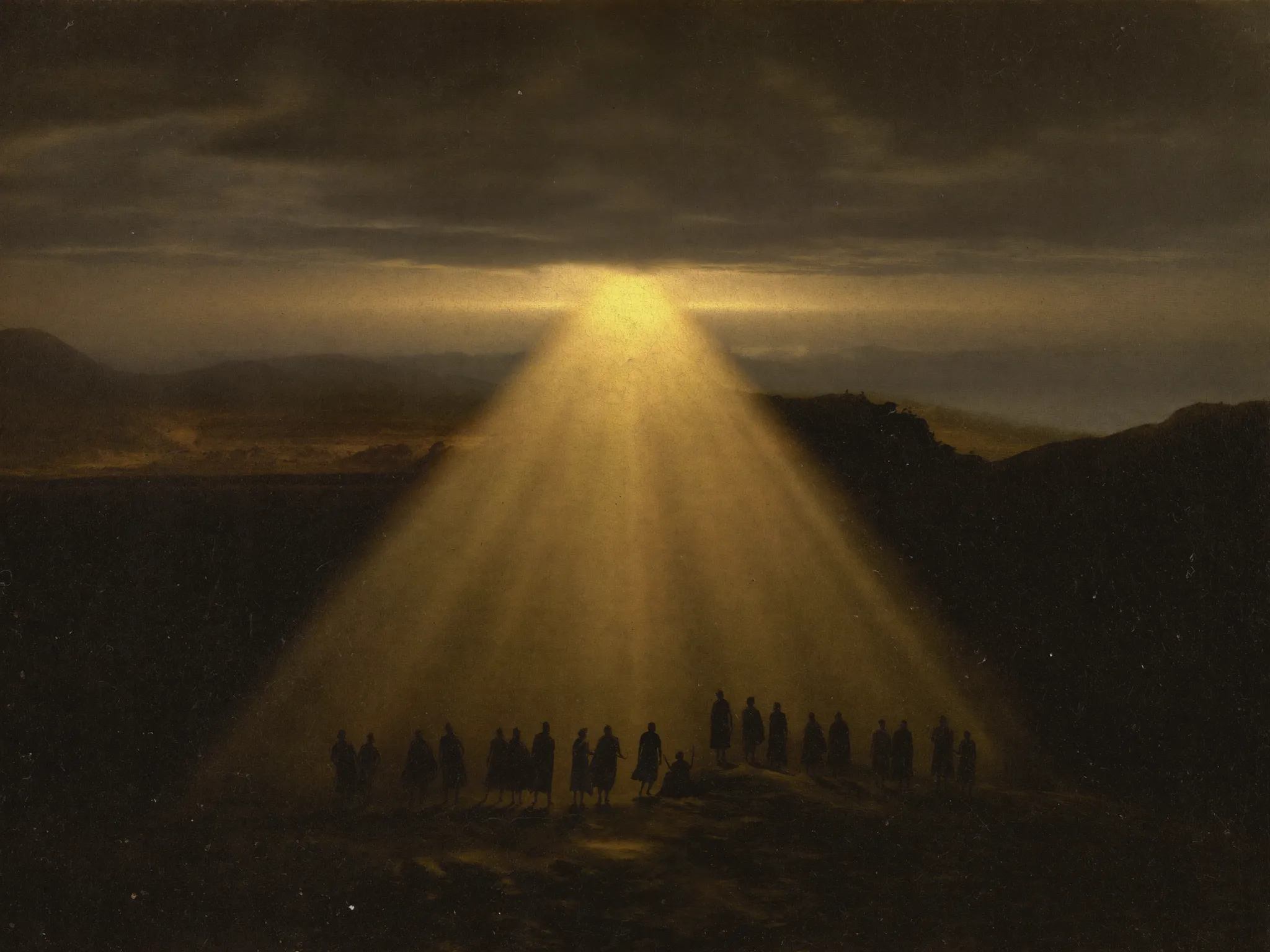
यशायाह 53 — दुःख उठानेवाला सेवक
क्रूस से सदियों पहले यशायाह एक दुःख उठानेवाले सेवक का वर्णन करता है, जिसकी मृत्यु को मसीहियों ने सदा यीशु की मृत्यु के रूप में पढ़ा है — और कुमरान से मिली यशायाह की महान पुस्तक (लगभग 125 ईसा पूर्व में नकल की गई) दिखाती है कि यह पाठ यीशु से बहुत पहले लिखा जा चुका था। यह पुराने नियम के सुसमाचार का हृदय है।
“परन्तु वह हमारे ही अपराधों के कारण घायल किया गया, वह हमारे अधर्म के कामों के कारण कुचला गया; हमारी ही शान्ति के लिये उस पर ताड़ना पड़ी कि उसके कोड़े खाने से हम लोग चंगे हो जाएँ।”
— यशायाह 53:5
- v.1-3 तुच्छ जाना गया और त्यागा हुआ सेवक
- v.4-6 हमारे पापों के लिए बेधा गया सेवक
- v.7-9 सेवक का मौन दुःख और गाड़ा जाना
- v.10-12 सेवक की विजय और प्रतिफल
अध्याय की धुरी — और कहा जा सकता है कि पूरे पुराने नियम की भी। एक ही पद में चार बार: यह हमारे लिए था।
घायल किया गया — इब्रानी में खालाल, आर-पार बेधा गया। यह तब पूरा हुआ जब रोमी भाले ने उनका पंजर बेधा (यूहन्ना 19:34)।
कुचला गया — इब्रानी में दाका, चूर-चूर किया गया। गतसमनी की पीड़ा और क्रूस में पूरा हुआ।
“उसके कोड़े खाने से हम लोग चंगे हो जाएँ” — पतरस ने इसे उद्धृत किया (1 पतरस 2:24) और पहले आत्मिक चंगाई पर लागू किया, यद्यपि शारीरिक चंगाई भी उसी प्रायश्चित्त से बहती है।
सम्पूर्ण मानव जाति एक ही चित्र में समेट दी गई: भटकी हुई भेड़ें।
“हम में से हर एक ने अपना-अपना मार्ग लिया” — पाप केवल गलत काम करना नहीं है; यह परमेश्वर के मार्ग के बजाय अपने ही मार्ग पर चलना है।
“उसी पर लाद दिया” — पिता ने हमारा पाप पुत्र पर लाद दिया। यही प्रतिस्थापन का हृदय है। उन्होंने वह ले लिया जो हमारा था; हम वह पाते हैं जो उनका है।
“अपना मुँह न खोला” — मत्ती 27:12-14 में पूरा हुआ, जहाँ यीशु ने पिलातुस को कोई उत्तर नहीं दिया।
“जिस प्रकार भेड़ वध होने के समय” — फिलिप्पुस ने ठीक इसी खण्ड से कूश के खोजे को मसीह तक पहुँचाया (प्रेरितों के काम 8:32-35)।
मसीह का मौन उनकी सबसे सामर्थी गवाहियों में से एक है। वे स्वर्गदूतों की बारह पलटनों से अपना बचाव कर सकते थे (मत्ती 26:53)। उन्होंने मौन को चुना — हमारे लिए।
“यहोवा को यही भाया” — एक कठिन वाक्यांश। इसका अर्थ यह नहीं कि पिता को पुत्र की पीड़ा से आनन्द मिला, बल्कि उस छुटकारे से जो उसके द्वारा पूरा हुआ। “जिसने उस आनन्द के लिये जो उसके आगे धरा था… क्रूस का दुःख सहा” (इब्रानियों 12:2)।
“वह अपना वंश देखने पाएगा” — युवावस्था में मरनेवाले एक मनुष्य के विषय में एक विचित्र प्रतिज्ञा। परन्तु पुनरुत्थान के बाद, उनका “वंश” छुड़ाए गए लोगों की बड़ी भीड़ है (यूहन्ना 12:24)।
“वह बहुत दिन जीवित रहेगा” — वे मरे। वे जी उठे। वे युगानुयुग जीवित हैं (प्रकाशितवाक्य 1:18)। यह पद पुनरुत्थान की माँग करता है।
हर आरोप जो शत्रु आप पर लगा सकता है, हर पाप जो आपने किया है, हर दोष जो आप ढो रहे हैं — यीशु ने यशायाह 53 में उसे अपने ऊपर ले लिया। जिसका दाम वे पहले ही चुका चुके हैं, उसे ढोना बन्द कीजिए। जिसे वे पहले ही पूरा कर चुके हैं, उसका दाम चुकाने का प्रयास बन्द कीजिए। उस स्वतंत्रता में चलिए जिसकी भविष्यद्वाणी क्रूस से सदियों पहले की गई थी और जो वहाँ आपके जन्म से बहुत पहले पूरी हो गई।
यह पूरा अध्याय मसीह है। मसीही लम्बे समय से यह मानते आए हैं कि इतिहास में कोई और व्यक्ति इन शब्दों पर इतनी पूर्णता से ठीक नहीं बैठता (यहूदी व्याख्या ने अक्सर इस सेवक को इस्राएल के रूप में पढ़ा है)। यशायाह 53 पुराने नियम का सुसमाचार है — क्रूस से सदियों पहले दिया गया, और वहाँ अक्षरशः पूरा हुआ।
इस पृष्ठ पर आपकी भाषा में पवित्रशास्त्र का पाठ: इंडियन रिवाइज़्ड वर्ज़न (IRV), © 2017, 2019 ब्रिज कनेक्टिविटी सॉल्यूशंस — बिना बदलाव के इस लाइसेंस के अंतर्गत प्रयुक्त: CC BY-SA 4.0 · eBible.org
“तुच्छ जाना जाता और मनुष्यों का त्यागा हुआ” — यूहन्ना 1:11 में पूरा हुआ: “वह अपने घर में आया और उसके अपनों ने उसे ग्रहण नहीं किया।”
“दुःखी पुरुष” — इब्रानी में ईश मकोवोत, शाब्दिक रूप से “पीड़ाओं का पुरुष।” यीशु रोए (यूहन्ना 11:35), आत्मा में कराहे, व्याकुल हुए।
“लोग उससे मुख फेर लेते थे” — क्रूस पर चढ़ाया जाना इतना विकृत कर देनेवाला था कि देखनेवाले मुँह फेर लेते थे। यशायाह 52:14: “उसका रूप यहाँ तक बिगड़ा हुआ था कि मनुष्य का सा न जान पड़ता था।”