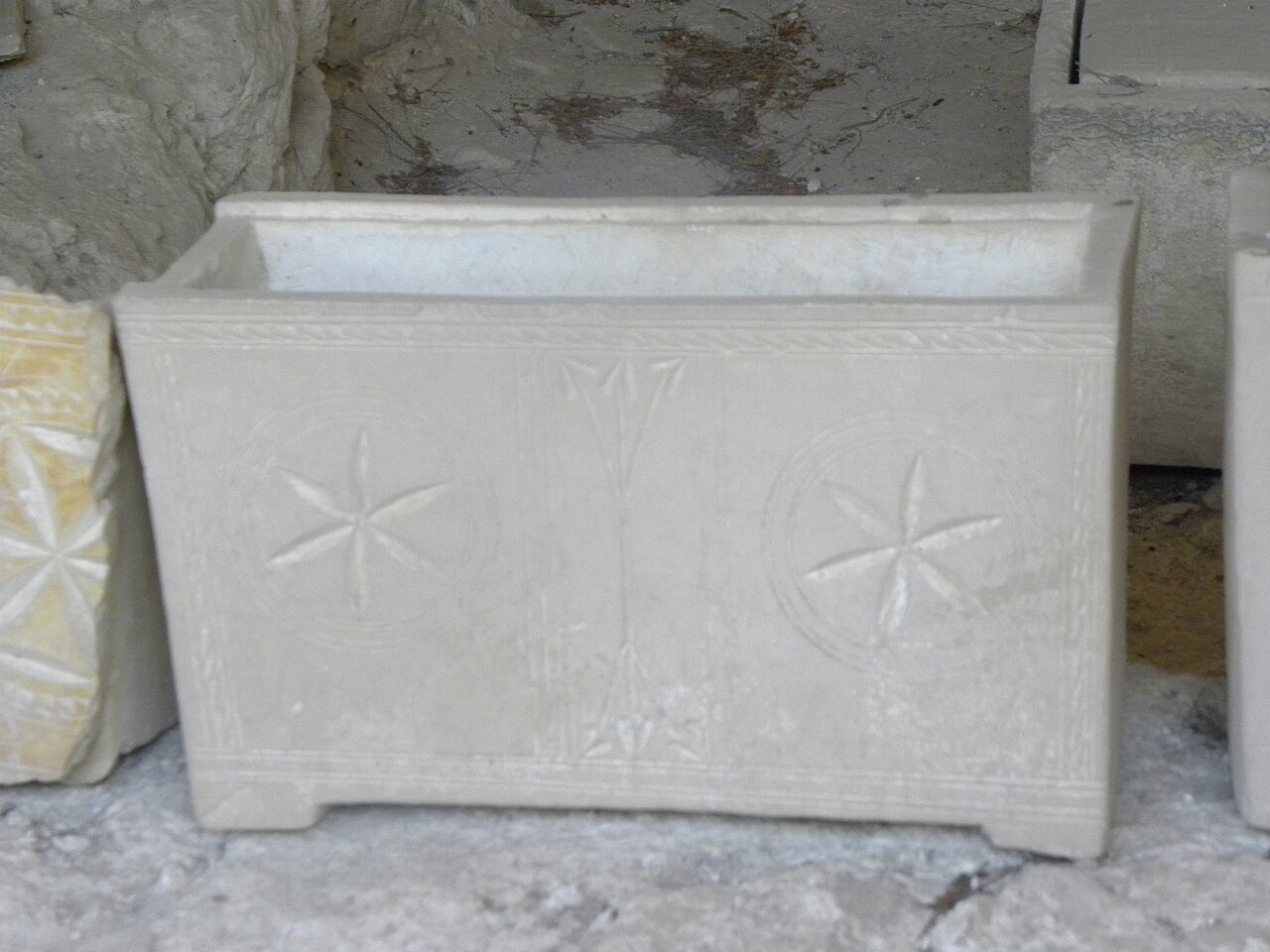

हम इसे प्रमाणों को ईमानदारी से पढ़ने के एक पाठ के रूप में शामिल करते हैं — क्योंकि यह पुष्टि का ठीक उलटा है। यरूशलेम की एक क़ब्र में ऐसे अस्थि-पात्र थे जिन पर लिखे नामों में 'यूसुफ का पुत्र यीशु', 'मारिया' और 'योसे' शामिल थे, और 2007 की एक वृत्तचित्र फ़िल्म ने इसे नासरत के यीशु और उनके परिवार की क़ब्र घोषित किया। परंतु ये नाम पहली शताब्दी के यहूदी यरूशलेम के सबसे सामान्य नामों में से थे; तथाकथित 'क्रूस' एक राजमिस्त्री का चिह्न है; और द्वार के ऊपर का प्रतीक एक मानक यहूदी रूपांकन है, मसीही नहीं।
- यह क्या है
- यरूशलेम की पहली शताब्दी की एक क़ब्र जिसमें दस अस्थि-पात्र हैं जिन पर सामान्य यहूदी नाम लिखे हैं, और जिसे 2007 की एक फ़िल्म ने यीशु के परिवार की क़ब्र के रूप में प्रचारित किया
- वस्तु की तिथि
- पहली शताब्दी ईस्वी (क़ब्र 1980 में मिली)
- खोज
- पूर्वी तलपियोत, यरूशलेम और बैतलहम के बीच, 1980 (योसेफ़ गात और आमोस क्लोनर द्वारा खोदी गई)
- अब यह कहाँ है
- इस्राएल पुरावशेष प्राधिकरण का भंडार
- संबंधित
- एक परख कि किसी पुरातात्विक खोज को कैसे नहीं पढ़ना चाहिए
- पवित्र-वचन
- 1 कुरिन्थियों 15:4
यह खोज क्या दिखाती हैयह वास्तव में यीशु के युग की अस्थि-पात्र (हड्डियों की पेटी) में दोबारा दफ़नाने की सामान्य यहूदी प्रथा को प्रलेखित करती है — और यह भी कि 'यूसुफ का पुत्र यीशु' जैसे नाम वास्तव में कितने सामान्य थे।
यह क्या सिद्ध नहीं करतीयह क़ब्र में किसी की भी पहचान नासरत के यीशु या उनके परिवार से नहीं करती; इसमें कुछ भी मसीही नहीं है।
विवादित: 'यीशु परिवार क़ब्र' वाले दावे को पुरातत्वविदों की लगभग सर्वसम्मत राय अस्वीकार करती है (इवांस प्रतीक-संबंधी तर्कों को 'प्रमाणित रूप से झूठा' कहते हैं)। हम इसे यह दिखाने के लिए सूचीबद्ध करते हैं कि एक ही खोज की एक सनसनीखेज़ सुर्ख़ी और एक संयत पठन विपरीत दिशाओं की ओर संकेत कर सकते हैं।
स्रोत एवं आगे पढ़ने के लिए