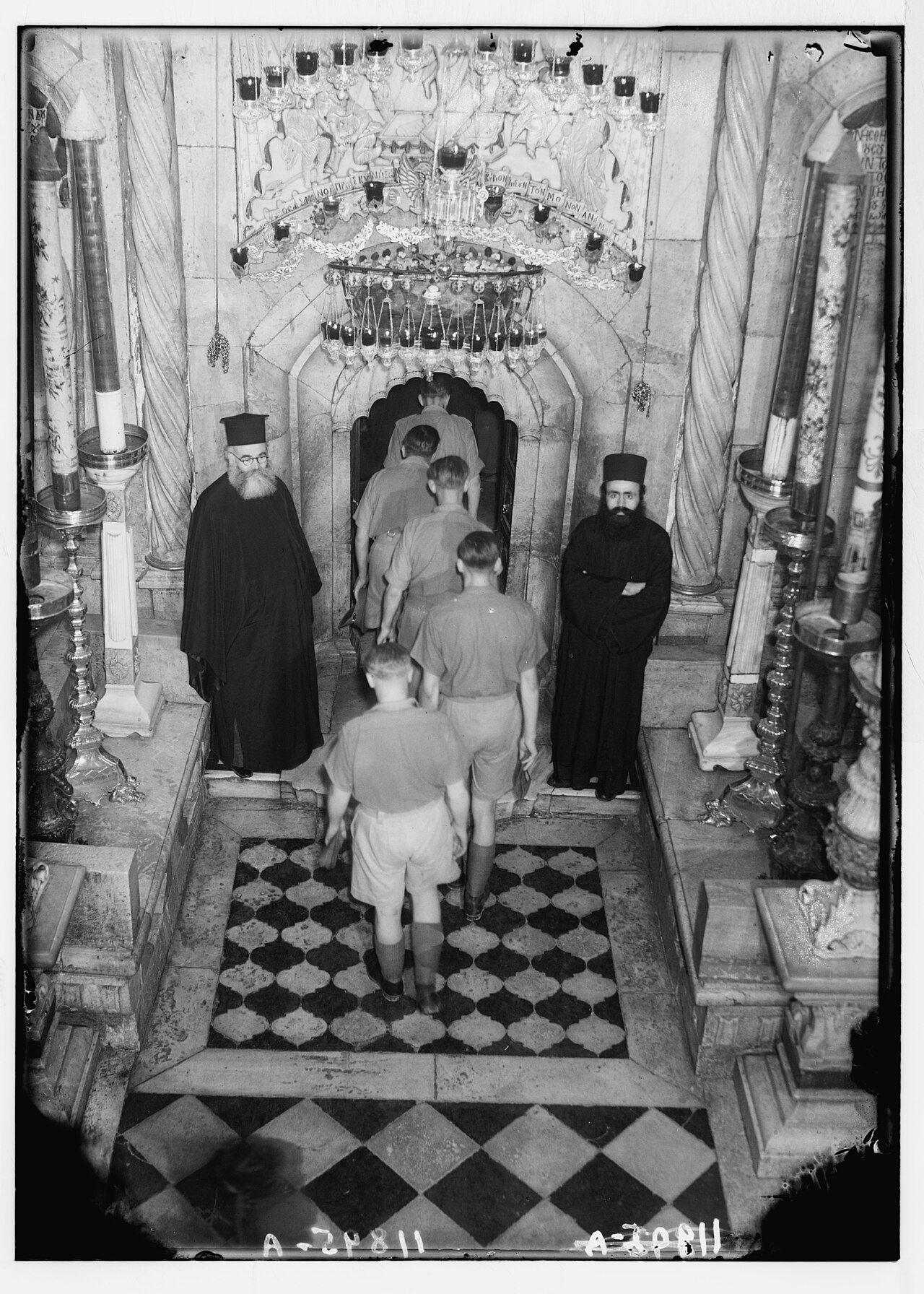

ഗൊൽഗോഥായുടെയും കല്ലറയുടെയും പരമ്പരാഗത സ്ഥലത്തിന്, തിരക്കേറിയതും പലതവണ പുനർനിർമ്മിച്ചതുമായ അതിന്റെ രൂപം സൂചിപ്പിക്കുന്നതിനെക്കാൾ മെച്ചപ്പെട്ട യോഗ്യതകളുണ്ട്. യേശുവിന്റെ കാലത്തെ നഗരമതിലിനു പുറത്തു കിടന്നിരുന്ന, ഒരു പൂന്തോട്ടവും പാറ വെട്ടിയുണ്ടാക്കിയ യെഹൂദ കല്ലറകളുമുള്ള, ഉപേക്ഷിക്കപ്പെട്ട ഒരു ചുണ്ണാമ്പുകൽ ക്വാറിയായിരുന്നു അതെന്ന് ഖനനം കാണിക്കുന്നു — ക്രൂശീകരണസ്ഥലത്തിനടുത്ത് ഒരു തോട്ടത്തിലെ കല്ലറയെക്കുറിച്ചു യോഹന്നാൻ വിവരിക്കുന്നതുപോലെതന്നെ — കോൺസ്റ്റന്റൈൻ അതിനെ ഒരു ദേവാലയത്തിനുള്ളിലാക്കുന്നതിനു മുമ്പുതന്നെ ക്രിസ്ത്യാനികൾ അതിനെ ആദരിച്ചിരുന്നു. വിനോദസഞ്ചാരികൾക്കു കാണിച്ചുകൊടുക്കുന്ന എതിരാളിയായ “ഉദ്യാനക്കല്ലറ”യാകട്ടെ, നൂറ്റാണ്ടുകൾ അധികം പഴക്കമുള്ളതാണ് (ഇരുമ്പുയുഗം).
- ഇത് എന്താണ്
- ഒരു പൂന്തോട്ടമായി മാറിയ പഴയ ചുണ്ണാമ്പുകൽ ക്വാറിയിലെ, പാറ വെട്ടിയുണ്ടാക്കിയ ഒന്നാം നൂറ്റാണ്ടിലെ കല്ലറകൾ — ഇപ്പോൾ തിരുക്കല്ലറ ദേവാലയത്തിനുള്ളിൽ
- വസ്തുവിന്റെ കാലം
- ക്വാറിയും കല്ലറകളും ക്രി.മു.–ക്രി.വ. 1-ാം നൂറ്റാണ്ടിലേത്; ദേവാലയം 4-ാം നൂറ്റാണ്ടിൽ ആരംഭിച്ചു
- കണ്ടെത്തിയത്
- യെരൂശലേം പഴയ നഗരത്തിലെ ക്രിസ്ത്യൻ ക്വാർട്ടർ (ദേവാലയത്തിനടിയിലെ ഖനനങ്ങൾ (വിർജിലിയോ കോർബോയും മറ്റുള്ളവരും))
- ഇപ്പോൾ എവിടെ
- സ്ഥലത്തുതന്നെ, യെരൂശലേം
- ബന്ധപ്പെട്ടത്
- യേശുവിന്റെ ക്രൂശീകരണത്തിന്റെയും അടക്കത്തിന്റെയും സ്ഥലം
- തിരുവെഴുത്ത്
- യോഹന്നാൻ 19:41–42 · മർക്കൊസ് 15:22
ഈ കണ്ടെത്തൽ കാണിക്കുന്നത്ഈ സ്ഥലം സുവിശേഷ വിവരണവുമായി യോജിക്കുന്നു — സമകാലിക മതിലിനു പുറത്ത്, പുതിയ പാറക്കല്ലറകളുള്ള ഒന്നാം നൂറ്റാണ്ടിലെ ഒരു തോട്ടം — ആദ്യ നൂറ്റാണ്ടുകളിലേക്കു നീളുന്ന തുടർച്ചയായ ഓർമ്മ അതു വഹിക്കുന്നു എന്നതും.
ഇതു തെളിയിക്കാത്തത്ഏതെങ്കിലും ഒരു കല്ലറ യേശുവിന്റേതുതന്നെ ആയിരുന്നു എന്ന് അതിനു തെളിയിക്കാനാവില്ല; ആ ചുവട് ആശ്രയിക്കുന്നത് ആദ്യകാല പാരമ്പര്യത്തെയാണ്, ഒരു ലിഖിതത്തെയല്ല.
തർക്കവിഷയം: ഉദ്യാനക്കല്ലറയെക്കാൾ പണ്ഡിതർ ഏറെ അനുകൂലിക്കുന്നത് തിരുക്കല്ലറയെയാണ്; എങ്കിലും കൃത്യമായ കല്ലറയുടെ സമ്പൂർണ തിരിച്ചറിയൽ, മക്റേ പറയുന്നതുപോലെ, എത്തിപ്പിടിക്കാനാവാത്തതായി തുടരുന്നു.
സ്രോതസ്സുകളും കൂടുതൽ വായനയും