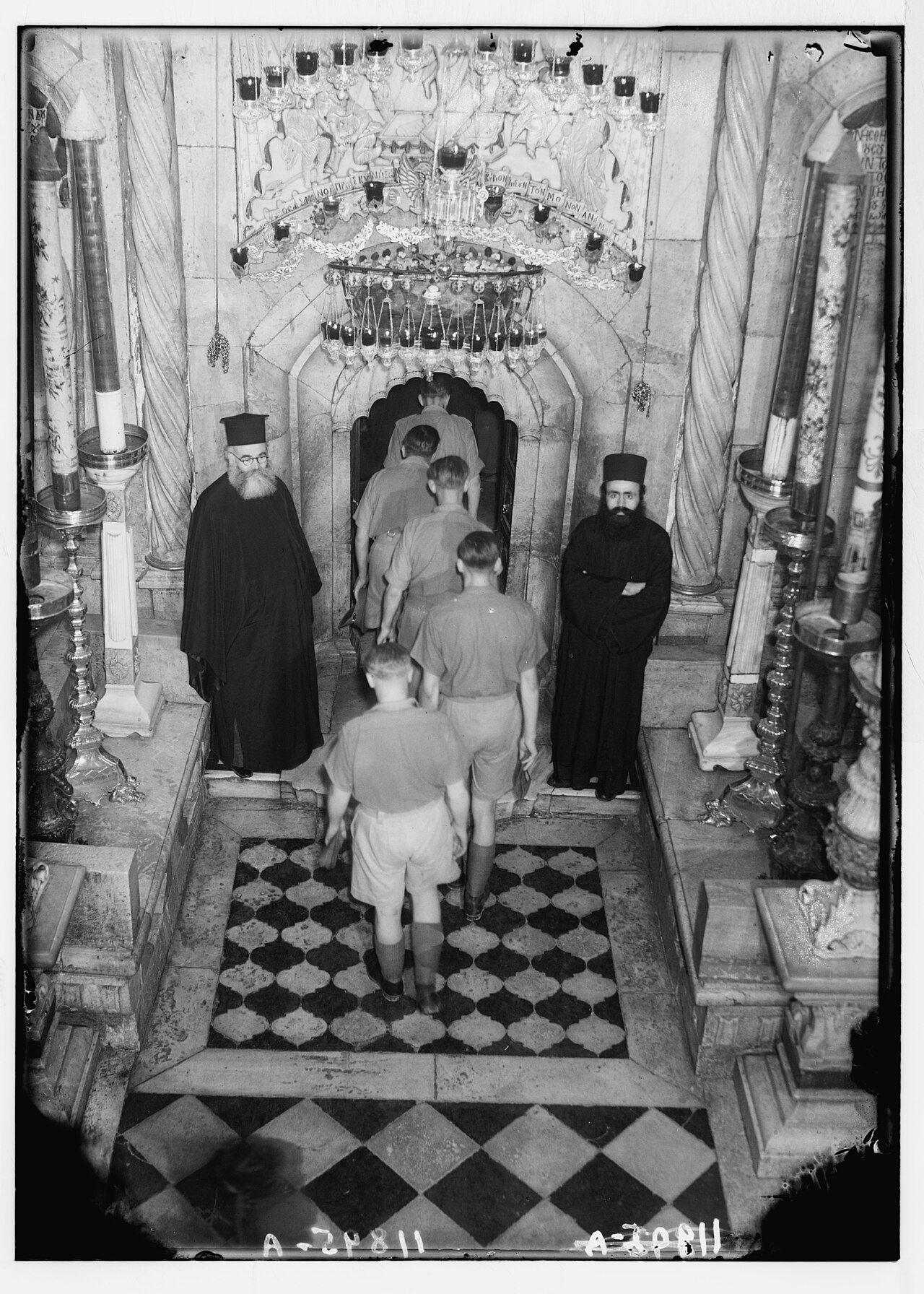

गुलगुता और क़ब्र के पारंपरिक स्थल के प्रमाण उससे कहीं बेहतर हैं जितना उसका भीड़-भरा, बार-बार पुनर्निर्मित रूप संकेत देता है। खुदाई दिखाती है कि यह एक परित्यक्त चूना-पत्थर की खान थी जिसमें एक बगीचा और चट्टान में खोदी गई यहूदी क़ब्रें थीं, और यह यीशु के दिनों की नगर-दीवार के बाहर स्थित थी — ठीक वैसे ही जैसे यूहन्ना क्रूस पर चढ़ाए जाने के स्थान के पास एक बगीचे वाली क़ब्र का वर्णन करते हैं — और कुस्तुनतीन द्वारा इसे घेरे जाने से पहले ही मसीही इसका आदर करते थे। इसके विपरीत, पर्यटकों को दिखाई जाने वाली प्रतिद्वंद्वी 'गार्डन टूम्ब' (बगीचे वाली क़ब्र) सदियों ज़्यादा पुरानी है (लौह युग की)।
- यह क्या है
- पहली शताब्दी की चट्टान में खोदी गई क़ब्रें, एक पुरानी चूना-पत्थर की खान में जो बाद में बगीचा बन गई थी, और जो अब पवित्र क़ब्र के गिरजाघर से घिरी हैं
- वस्तु की तिथि
- खान और क़ब्रें पहली शताब्दी ईसा पूर्व–ईस्वी की; गिरजाघर चौथी शताब्दी में आरंभ हुआ
- खोज
- पुराने नगर का ईसाई मोहल्ला, यरूशलेम (गिरजाघर के नीचे खुदाई (विर्जिलियो कोर्बो और अन्य))
- अब यह कहाँ है
- मूल स्थान पर, यरूशलेम
- संबंधित
- यीशु के क्रूस पर चढ़ाए जाने और गाड़े जाने का स्थान
- पवित्र-वचन
- यूहन्ना 19:41–42 · मरकुस 15:22
यह खोज क्या दिखाती हैकि यह स्थल सुसमाचार के वर्णन से मेल खाता है — पहली शताब्दी का एक बगीचा जिसमें चट्टान की नई क़ब्रें थीं, उस समय की दीवार के बाहर — और इसकी स्मृति बिना टूटे सबसे आरंभिक शताब्दियों तक जाती है।
यह क्या सिद्ध नहीं करतीयह सिद्ध नहीं कर सकता कि कोई एक विशेष क़ब्र स्वयं यीशु की थी; वह कदम आरंभिक परंपरा पर टिका है, किसी शिलालेख पर नहीं।
विवादित: विद्वानों में गार्डन टूम्ब की तुलना में पवित्र क़ब्र का गिरजाघर अधिक मान्य है, परंतु ठीक उसी क़ब्र की पूर्ण पहचान, जैसा कि मैकरे कहते हैं, पहुँच से बाहर बनी हुई है।
स्रोत एवं आगे पढ़ने के लिए