Minds Turned Toward Faith
People known for their intellect — or their unbelief — who moved toward Christian faith, told honestly: alongside the names that are often overstated, and the thoughtful voices who moved the other way.
- Documented
- A well-attested move toward Christian faith — safe to take seriously.
- Contested
- A name often cited as a convert where the claim is overstated, disputed, or simply untrue — told straight.
- Moved Away
- A thoughtful person who left the faith — the honest counterweight.
Writers & Philosophers
Novelists, poets and philosophers who reasoned — or were surprised — their way into faith.
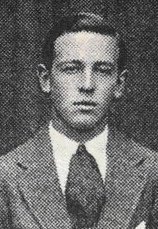 atheist → Christian, 1931
C. S. Lewis
The Oxford scholar C. S. Lewis was a settled atheist who found himself, as he later put it, cornered by his own reasoning — admitting God in 1929, and after a long night's talk with his friends J. R. R. Tolkien and Hugo Dyson about myth and truth, accepting Christ in 1931. He became the twentieth century's most-read defender of the faith, and told the story plainly in his own memoir.
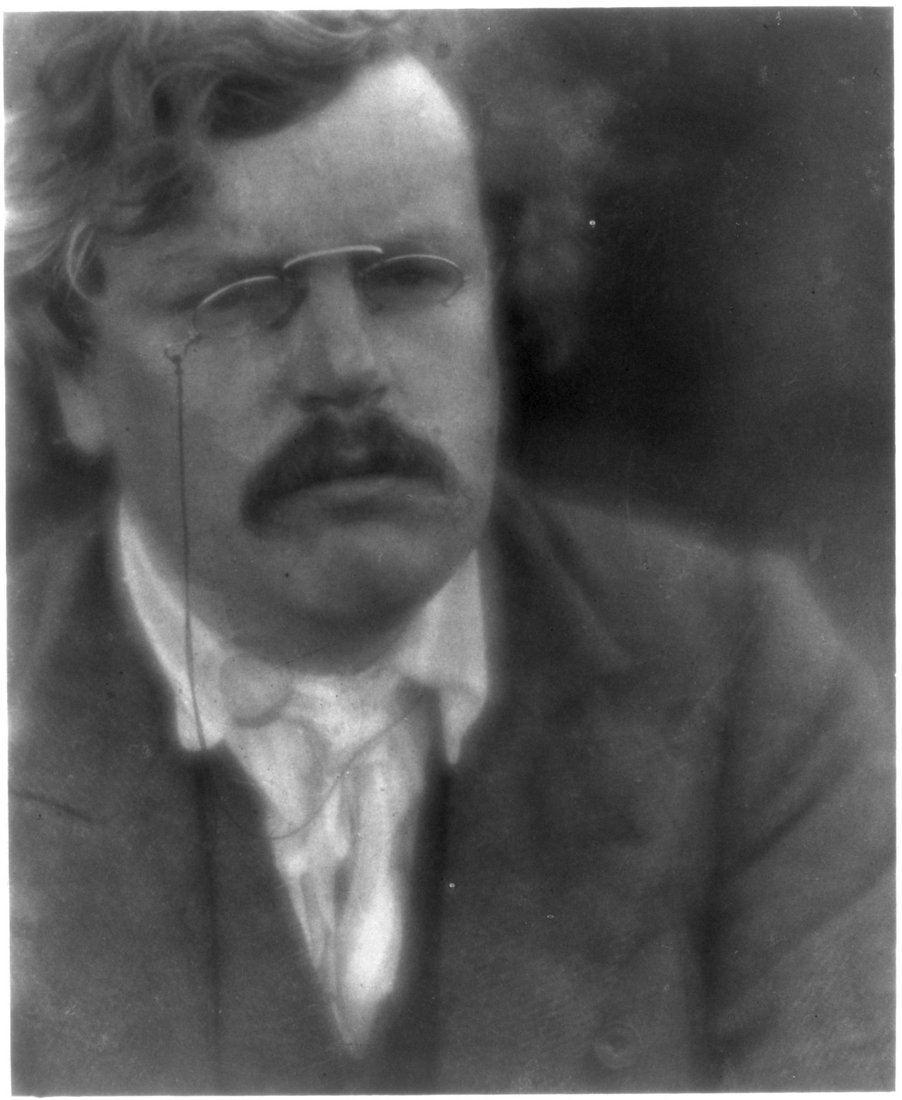 → Christianity; Catholic, 1922
G. K. Chesterton
G. K. Chesterton delighted in turning the fashionable skepticism of his day on its head. He argued his way from doubt into Christianity — and later, in 1922, into the Catholic Church — laying out the reasoning with wit and paradox in his book Orthodoxy, which frames belief not as a leap in the dark but as the key that finally fit the lock.
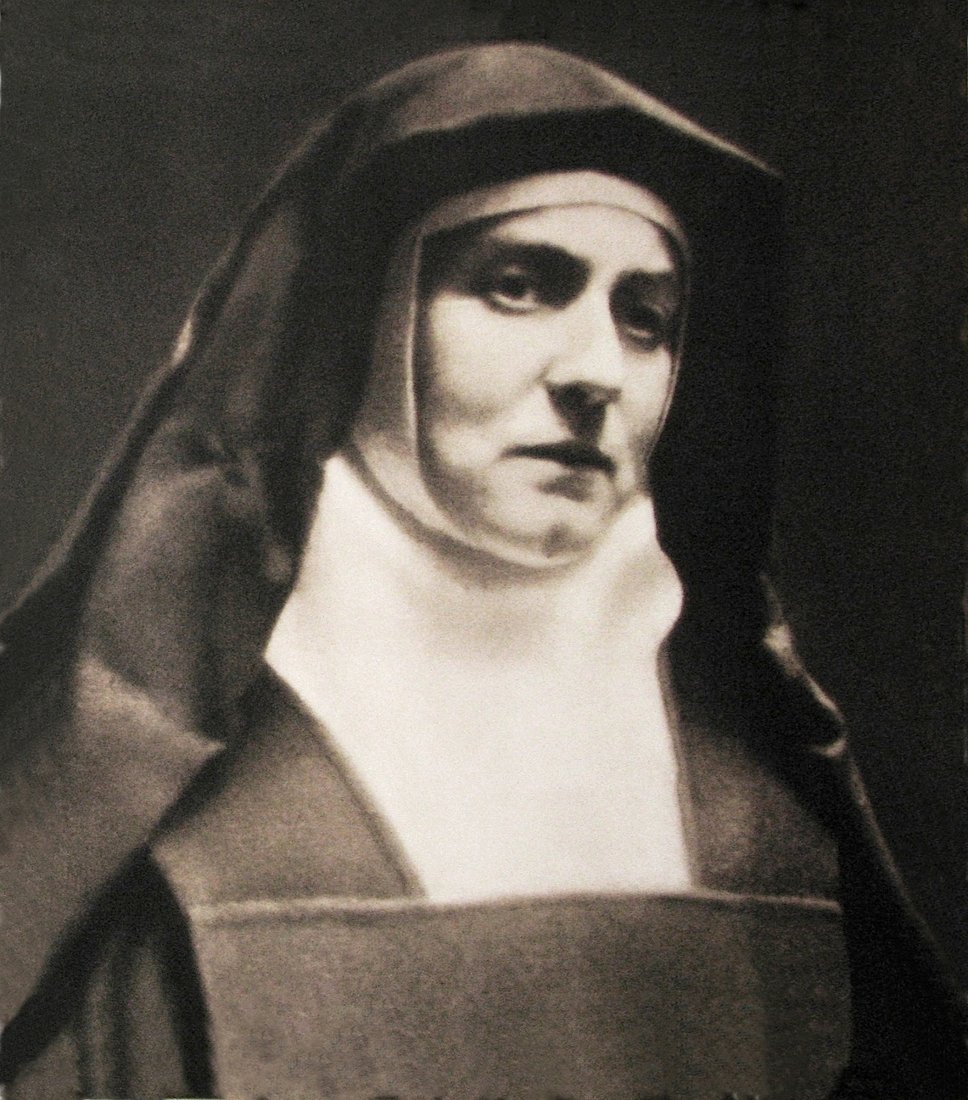 atheist → Catholic, 1922
Edith Stein
Edith Stein was a gifted philosopher, a student of Husserl, and by her teens had quietly given up God. Reading the autobiography of Teresa of Ávila straight through one night changed everything; she was baptized in 1922, became a Carmelite nun, and was murdered at Auschwitz in 1942. The Catholic Church later declared her a saint.
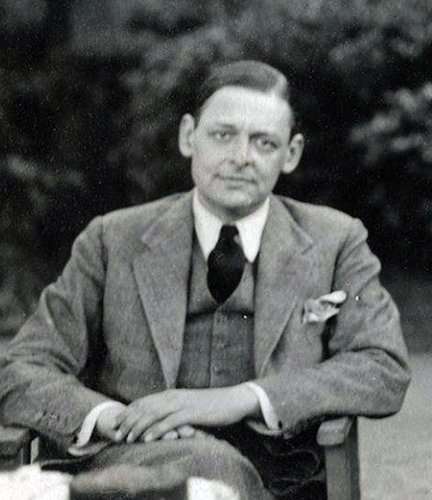 → Anglican, 1927
T. S. Eliot
T. S. Eliot, the towering modernist poet, was raised Unitarian and passed through a bleak agnosticism before being quietly baptized and confirmed in the Church of England in 1927. He kept the step private, but it reordered his life and his art — from the desolation of The Waste Land toward the hard-won hope of his later poems.
 skeptic → Christian; Catholic, 1982
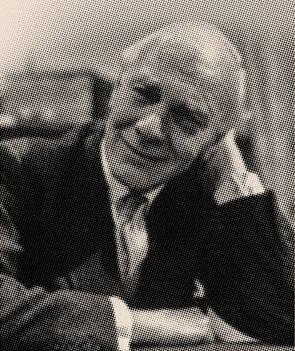
Malcolm Muggeridge
Malcolm Muggeridge made his name as a sharp, worldly journalist and skeptic. Faith crept up on him over decades — helped, he said, by meeting Mother Teresa, whom he introduced to the wider world — until he professed Christianity and, in 1982, was received into the Catholic Church.
skeptic → convinced, 1930Frank Morison
A journalist writing under the name Frank Morison set out to write a book dismantling the resurrection as legend. Working carefully through the evidence, he found the story would not fall — and the book he actually wrote, Who Moved the Stone?, argues the opposite of what he first intended. Its first chapter is titled 'The Book That Refused to Be Written.'
 agnostic → Christian, 1952
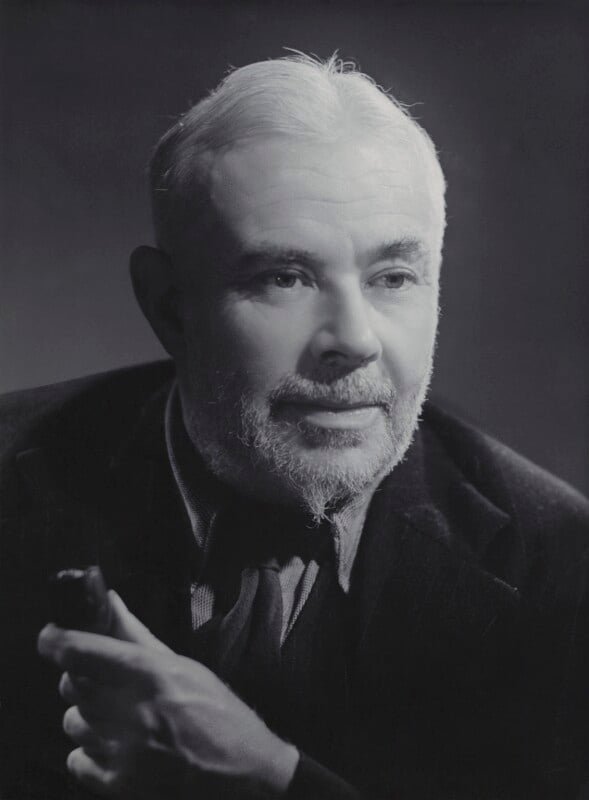
C. E. M. Joad
C. E. M. Joad was a famous British philosopher and radio voice, and for most of his life a confident agnostic. In his final years he changed course and returned to Christian belief, explaining the reversal in a book whose title says it plainly: The Recovery of Belief. The problem of evil, which had once pushed him away, was part of what drew him back.
Scientists
Researchers at the top of their fields who found no war between the lab and belief.
 atheist → Christian, c. 1978
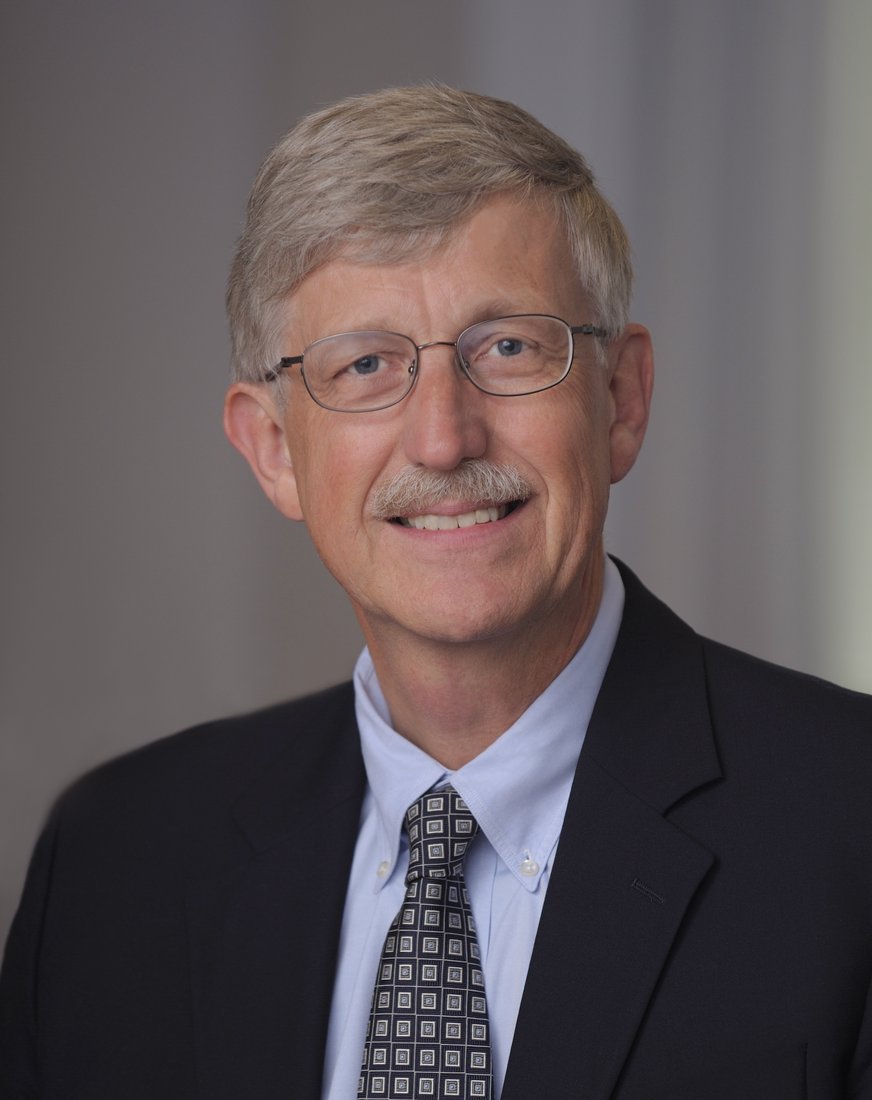
Francis Collins
Francis Collins led the Human Genome Project — the reading of the entire human DNA sequence — and later directed America's National Institutes of Health. As a young doctor and atheist he was unsettled by a dying patient's quiet faith and by reading C. S. Lewis, and became a Christian. He founded BioLogos to argue that rigorous science and Christian faith can sit together, and told his story in The Language of God.
 atheist → Christian, c. 1971
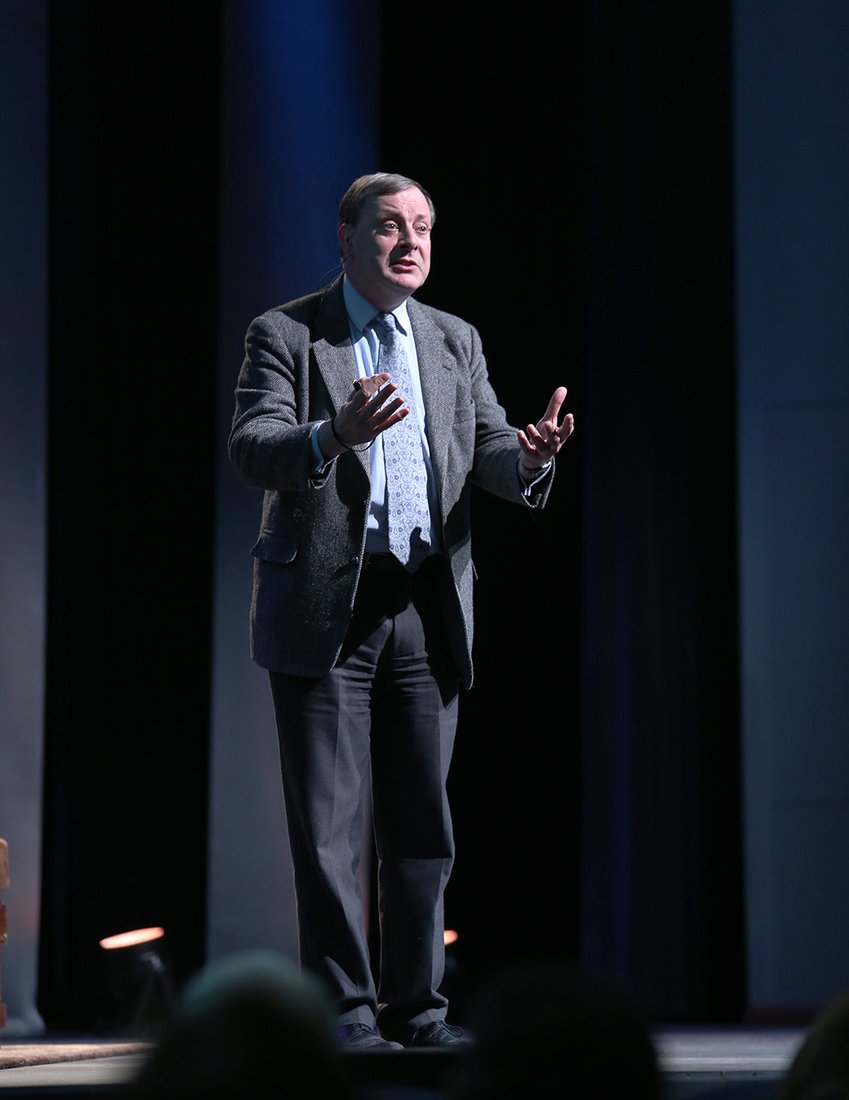
Alister McGrath
Alister McGrath left his teenage atheism for Christianity as a science student at Oxford, where he went on to earn a doctorate in molecular biophysics before turning to theology. Fluent in both worlds, he has become one of the most prominent writers arguing that the confident atheism of the 2000s overreached — most pointedly in reply to Richard Dawkins.
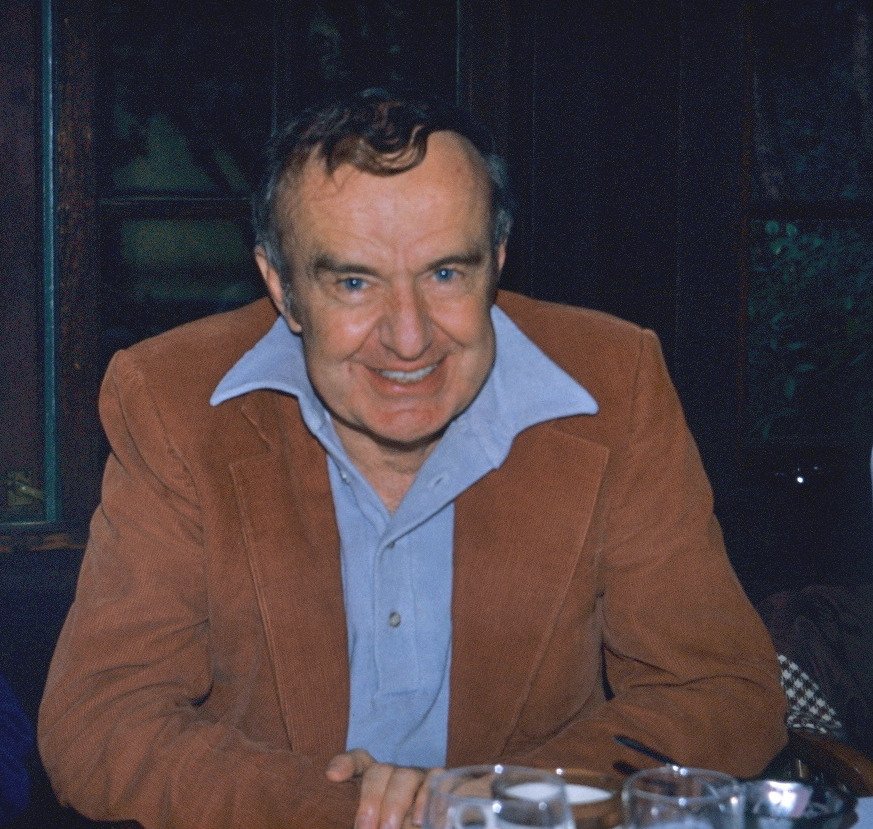 → Christian, c. age 50
Allan Sandage
Allan Sandage was one of the great astronomers of the twentieth century — the man who spent his career measuring the age and expansion of the universe. A near-lifelong skeptic, he embraced Christianity around the age of fifty, and afterward wrote about why he saw no war between his science and his faith.
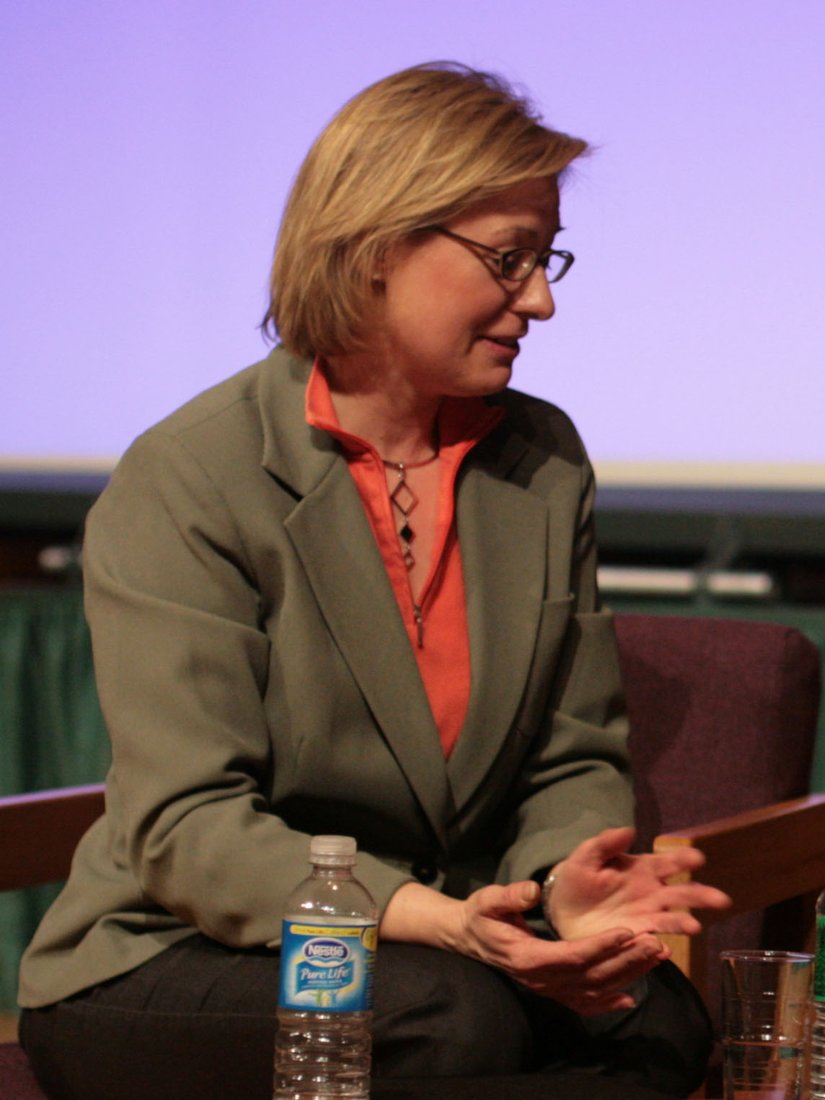 atheist → Christian, 1980s
Rosalind Picard
Rosalind Picard founded the field of 'affective computing' — teaching machines to read human emotion — at MIT. Raised without faith and dismissive of it, she began reading the Bible at a friend's dare and, to her own surprise, became a Christian. She has written about holding careful science and belief together.
Recent Journeys
the 2020sLiving journeys from our own decade — still unfolding, told in their own words.
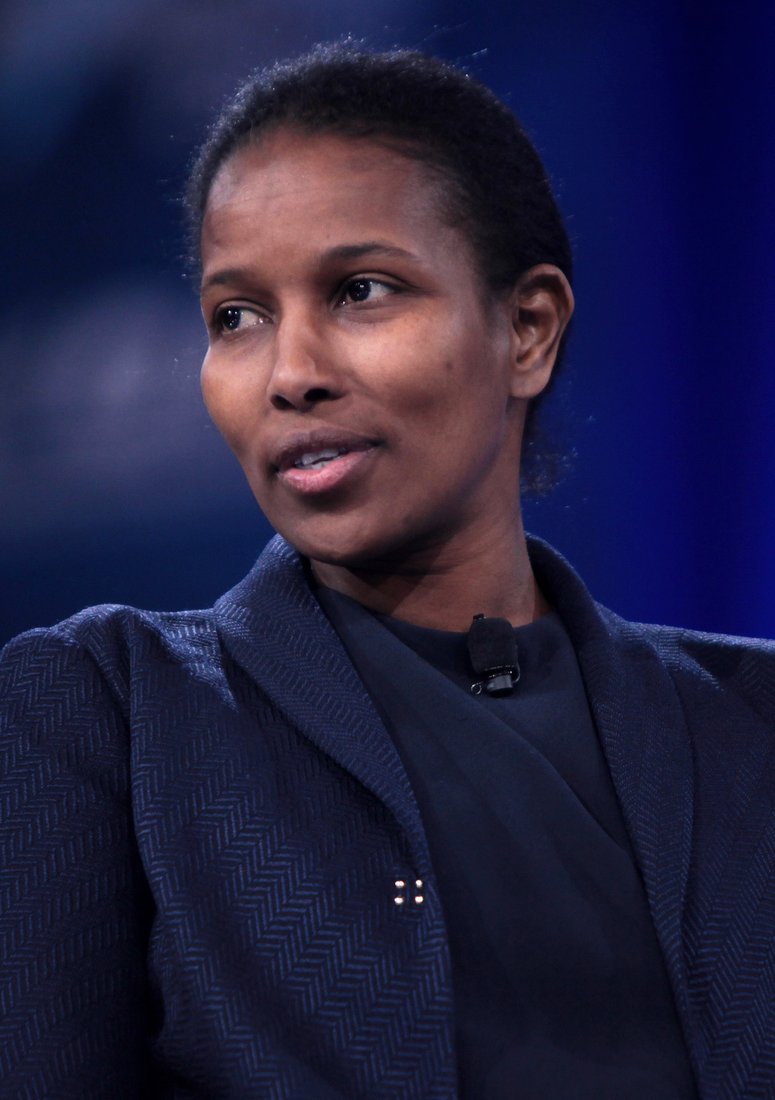 ex-Muslim atheist → Christian, 2023
Ayaan Hirsi Ali
Ayaan Hirsi Ali spent years as one of the best-known allies of the New Atheists and a fierce critic of the Islam she had left. In late 2023 she announced she had become a Christian. Her first essay framed it partly as the civilization-shaping foundation the West needs — which drew sharp criticism — but she has since described something more personal: a faith born of despair, guided by the mathematician John Lennox. A living, still-unfolding story.
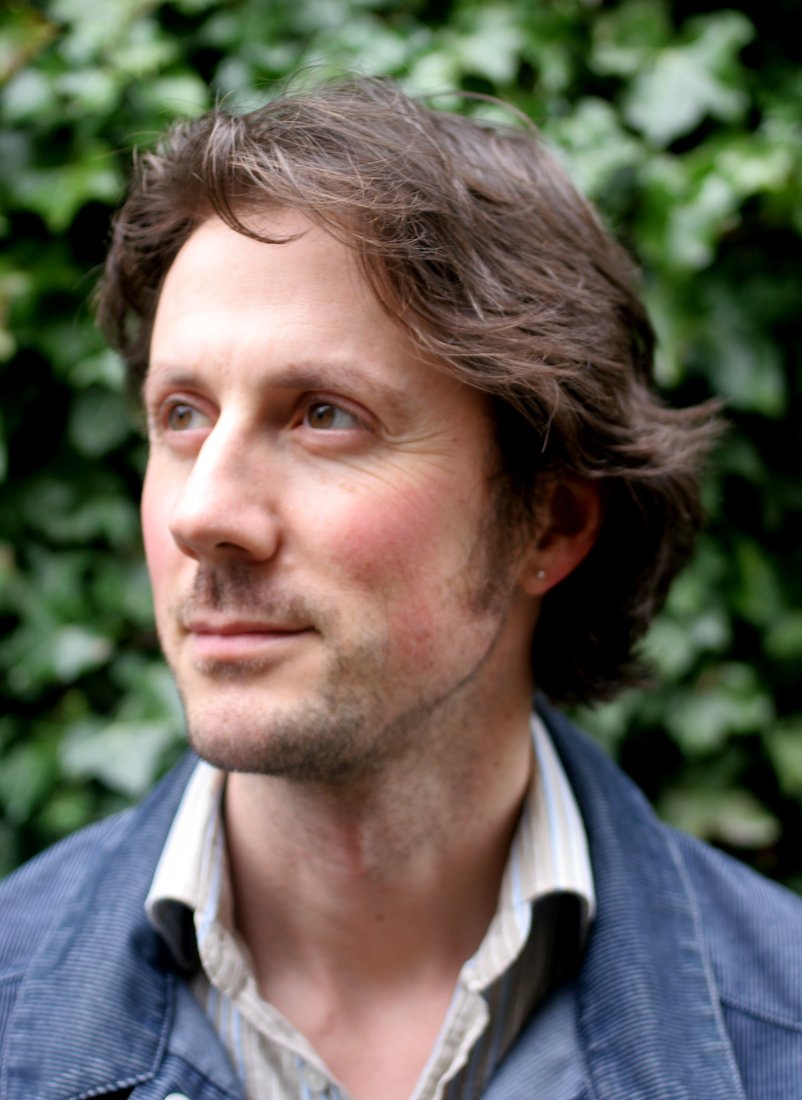 atheist → Orthodox, 2020
Paul Kingsnorth
Paul Kingsnorth, an acclaimed English novelist and former environmental activist, passed through atheism, Zen Buddhism and even Wicca before being baptized into the Orthodox Church in 2020. He is emphatic that faith must be about Christ himself, not a weapon in anyone's culture war — a warning he presses on those who would use his story that way.
atheist → Christian, c. 2008Sarah Irving-Stonebraker
Sarah Irving-Stonebraker, an Australian historian, was a confident atheist until two things unsettled her — a lecture by the atheist philosopher Peter Singer, and her own study of how deeply Christianity shaped the very idea of universal human dignity she had assumed was simply obvious. She became a Christian around 2008.
atheist → Christian, 2006Holly Ordway
Holly Ordway was an English professor and a committed atheist who thought faith beneath serious people. Argument and imagination together undid that certainty; she became a Christian in 2006 and later entered the Catholic Church, and told the story in her memoir Not God's Type.
Handle with Care
Names you will often see claimed as converts, where the truth is more complicated — or simply otherwise. Told straight.
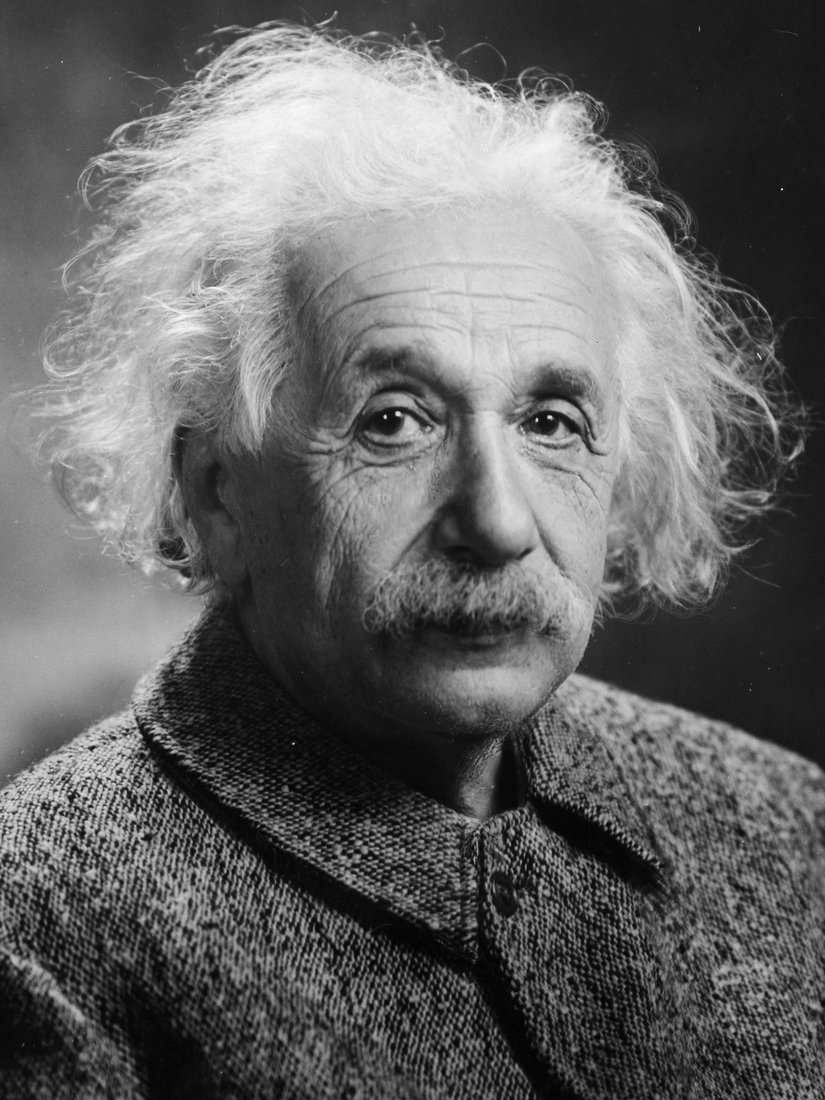 agnostic — not a convert
Albert Einstein
Einstein is endlessly enlisted as a secret believer. He wasn't. He spoke warmly of the 'God' of Spinoza — the lawful order of nature — but flatly rejected a personal God who hears prayer, and called himself an agnostic and a 'religious nonbeliever.' His line about God not playing dice was about physics, not devotion. It is only fair to say plainly: he did not become a Christian, or a theist.
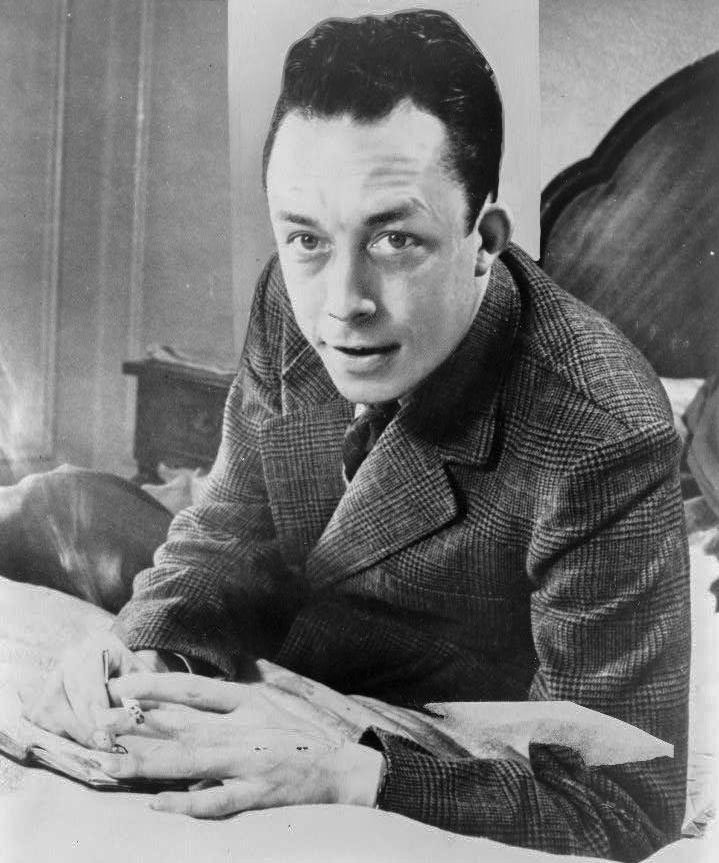 a claim only — unverified
Albert Camus
A popular story says Albert Camus was quietly moving toward baptism near the end of his life. It rests entirely on a single memoir published in 2000 by a minister, Howard Mumma — written from memory some forty years later, with admitted paraphrase — and nothing in Camus's own writing supports it. We note it only as a claim, clearly unverified.
 atheist → deist, 2004 (not Christian)
Antony Flew
This shift was real, and it is often mangled. Antony Flew, one of the twentieth century's most influential atheist philosophers, did change his mind late in life — but he became a deist, persuaded by design arguments, not a Christian. His book was co-written, and critics questioned how much was his; he insisted the conclusion was. A deist, not a convert to Christ — and worth citing precisely.
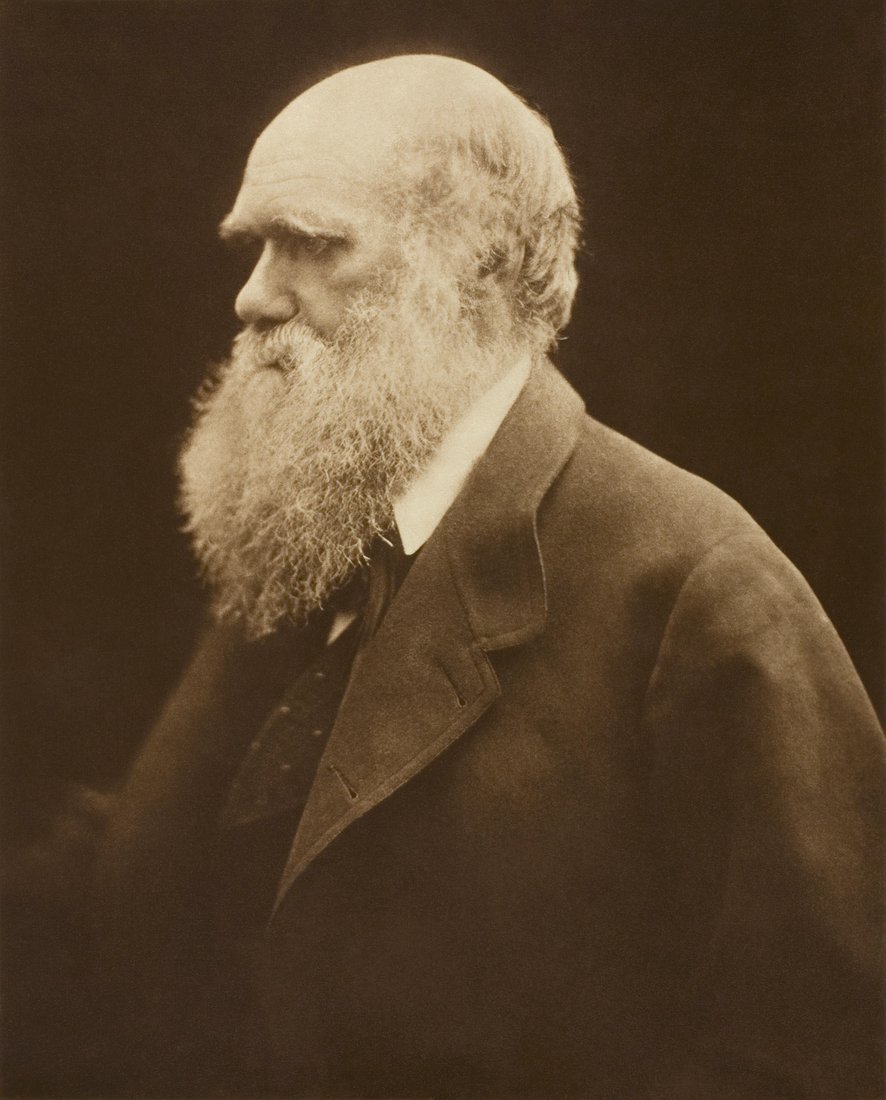 a fabricated myth
Darwin's “Deathbed Recantation”
You will still hear that Charles Darwin renounced evolution and returned to Christ on his deathbed. He did not. The tale comes from a 'Lady Hope' who claimed to have visited him near the end; his daughter said she was never there, and his son called the story 'quite untrue.' It is a fabrication, and no honest site should repeat it — which is precisely why we name it here.
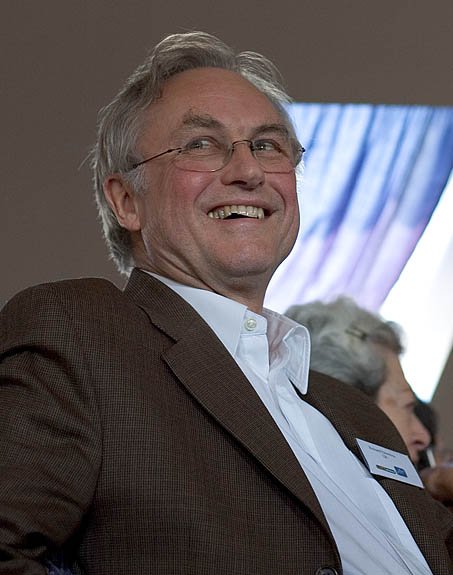 “cultural Christian” — still an atheist
Richard Dawkins
Richard Dawkins recently began calling himself a 'cultural Christian' — fond of the hymns, the cathedrals and the ethics of a Christian society. But in the same breath he says he does not believe a word of the faith. He is an atheist who likes the furniture, not a convert, and to claim otherwise would be dishonest.
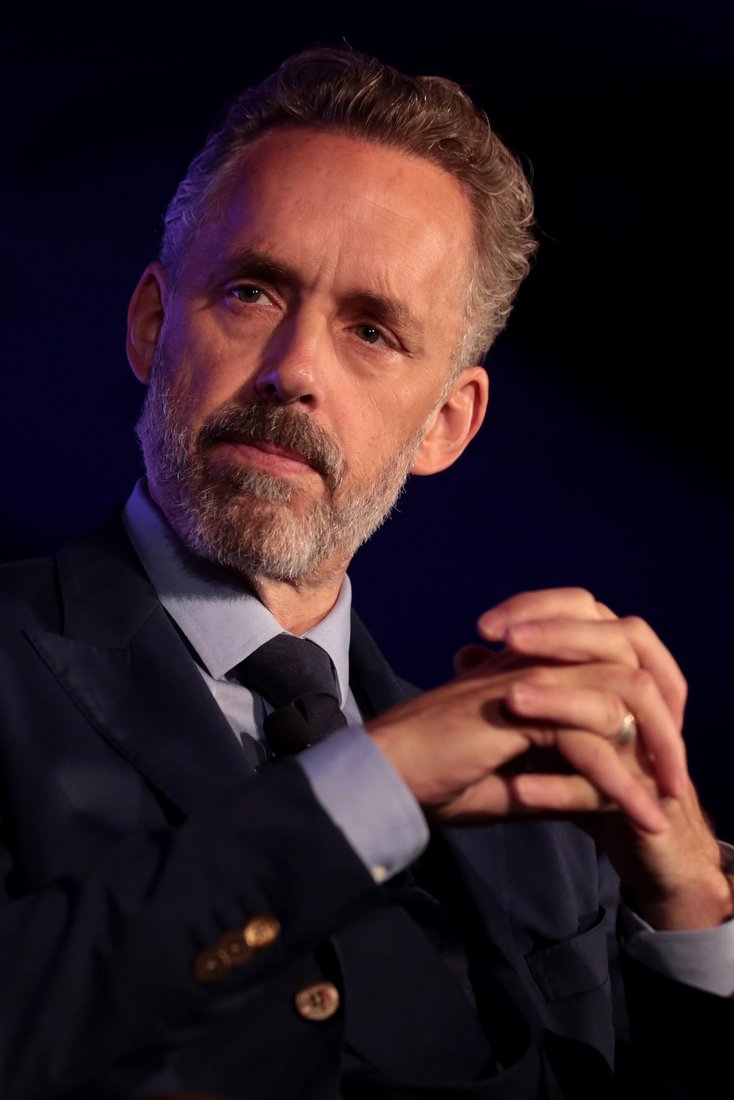 wrestling — not professed
Jordan Peterson
Jordan Peterson has spent years circling Christianity in public — lecturing on the Bible, visibly moved by its stories, plainly drawn to it. But asked directly whether he believes, he has repeatedly demurred ('I don't feel qualified to comment'). The honest word for where he stands is 'wrestling,' not 'converted' — and he would likely agree.
The Honest Counterweight
Faith runs both ways. Two thoughtful people who left it — because a fair account has to say so.
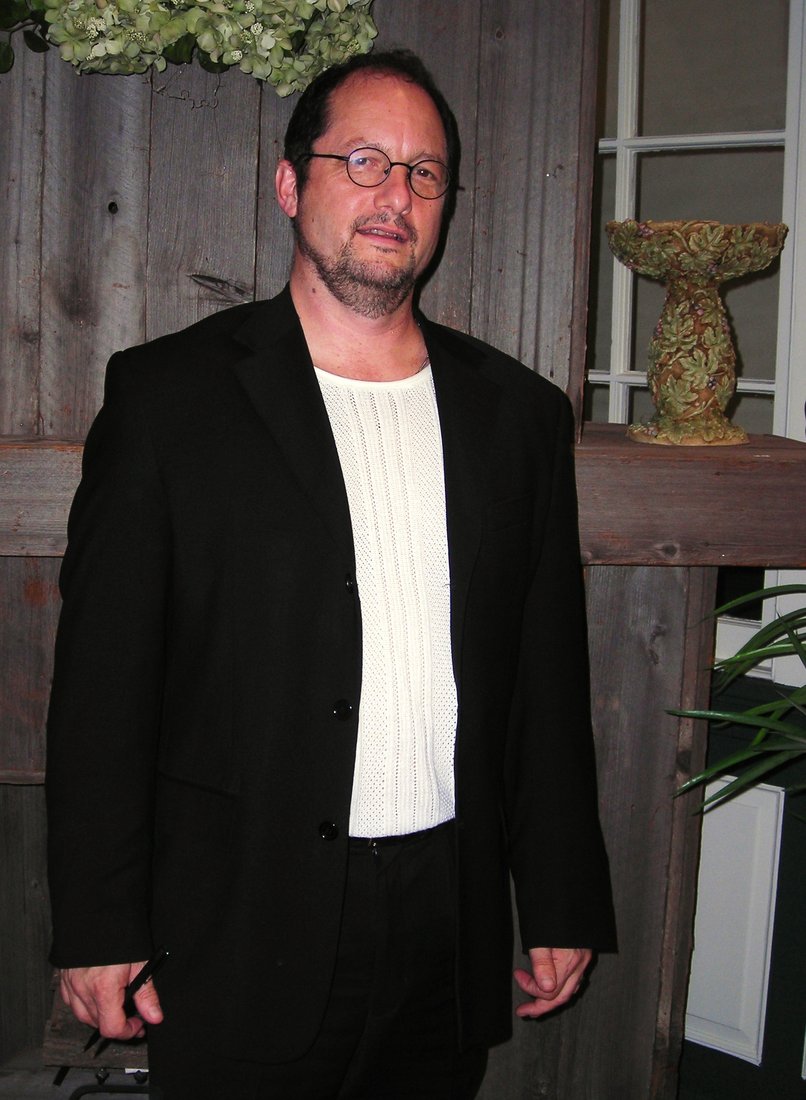 evangelical → agnostic
Bart Ehrman
Bart Ehrman began as a fervent evangelical, trained at Moody and Wheaton. Studying the New Testament manuscripts up close unsettled his belief in a flawless Bible, and the sheer weight of human suffering finished what doubt had started; he now calls himself agnostic. We include him because a page about people who came to faith should also name a serious scholar who walked the other way.
evangelist → left the faith, 1996Charles Templeton
Charles Templeton once preached to stadium crowds beside his friend Billy Graham. Troubled by human suffering and by doctrines he could no longer hold, he walked away from the faith, and late in life wrote a book explaining why. He said he still missed Jesus. His honesty about leaving is part of what makes the others in this section worth trusting.