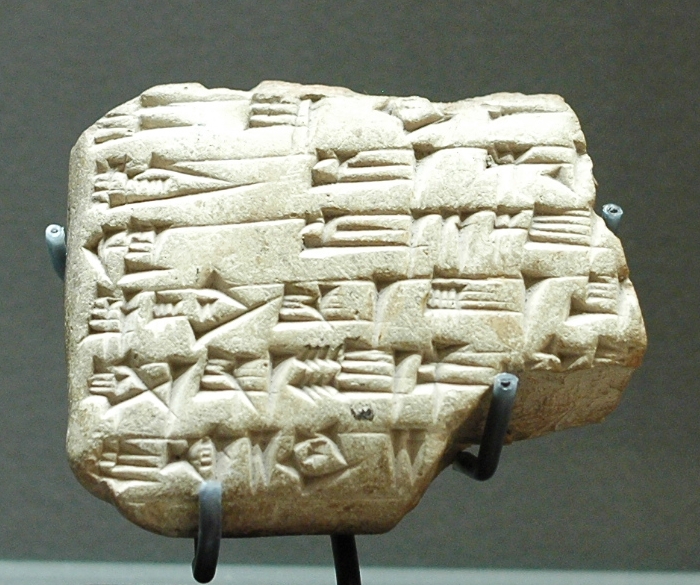

कुछ समय तक ये अभिलेखागार एक आत्मविश्वास-भरे तर्क की रीढ़ थे: उनके क़ानून और रीति-रिवाज — निःसंतान होने पर उत्तराधिकारी गोद लेना, बाँझ पत्नी का अपनी दासी को संतान के लिए देना, घरेलू देव-मूर्तियों का महत्व — अब्राहम, इसहाक और याकूब से इतने निकट से मेल खाते प्रतीत हुए कि कुलपिता दूसरी सहस्राब्दी ईसा पूर्व में स्थिर किए गए-से लगे। ये आज भी कांस्य युग के निकट पूर्व में झाँकने की एक अद्भुत खिड़की हैं, और दिखाते हैं कि उत्पत्ति जैसे नाम और प्रथाएँ वहाँ वास्तव में स्वाभाविक थीं। परंतु वह घनिष्ठ मेल टिक नहीं पाया।
- यह क्या है
- कांस्य युग के मेसोपोटामिया और सीरिया के तीन विशाल कीलाक्षर अभिलेखागार — दसियों हज़ार पट्टिकाएँ
- वस्तु की तिथि
- एबला लगभग 2300 ईसा पूर्व; मारी अठारहवीं शताब्दी ईसा पूर्व; नूज़ी पंद्रहवीं शताब्दी ईसा पूर्व
- खोज
- तेल मर्दीख़ (एबला), सीरिया; तेल हरीरी (मारी), सीरिया; योरग़ान तेपे (नूज़ी), इराक़ (पाओलो मत्तिआए, आंद्रे पारो, और हार्वर्ड/ASOR के अभियान)
- अब यह कहाँ है
- लूव्र, और सीरिया तथा इराक़ के संग्रहालय
- संबंधित
- उत्पत्ति के कुलपिताओं के पीछे का संसार और रीति-रिवाज
- पवित्र-वचन
- उत्पत्ति 12–50
यह खोज क्या दिखाती हैकि कुलपिताओं की कहानियों में चित्रित व्यक्तिगत नाम, क़ानूनी रीतियाँ और सामाजिक संसार प्रामाणिक रूप से प्राचीन निकट पूर्व के हैं, किसी बहुत बाद के युग की कल्पना नहीं।
यह क्या सिद्ध नहीं करतीइनमें बाइबल के किसी व्यक्ति या घटना का उल्लेख नहीं है; ये पृष्ठभूमि का रंग देते हैं, स्वयं कुलपिताओं को नहीं।
विवादित: यह एक ऐसा उदाहरण है जहाँ सावधान विद्वत्ता ने एक दावे को वापस लिया। 1970 के दशक से अधिकांश विद्वान (और रूढ़िवादी लेखक भी) मानते हैं कि नूज़ी और मारी की कभी प्रसिद्ध रहीं 'कुलपिताओं से समानताएँ' बताई गई बातों से ढीली हैं और कई शताब्दियों में फैली हुई हैं — इसलिए वे अब कुलपिताओं का काल-निर्धारण नहीं करतीं। एबला की आरंभिक सनसनीख़ेज़ बातें (सदोम, याहवे का नाम) पूरी तरह वापस ले ली गईं।
स्रोत एवं आगे पढ़ने के लिए