കരടു പരിഭാഷ. മാതൃഭാഷ ക്രിസ്ത്യാനികളുടെ തിരുത്തലുകൾ സ്വാഗതം. വാക്യപാഠം KJV (ഇംഗ്ലീഷ്)-ൽ തുടരും.
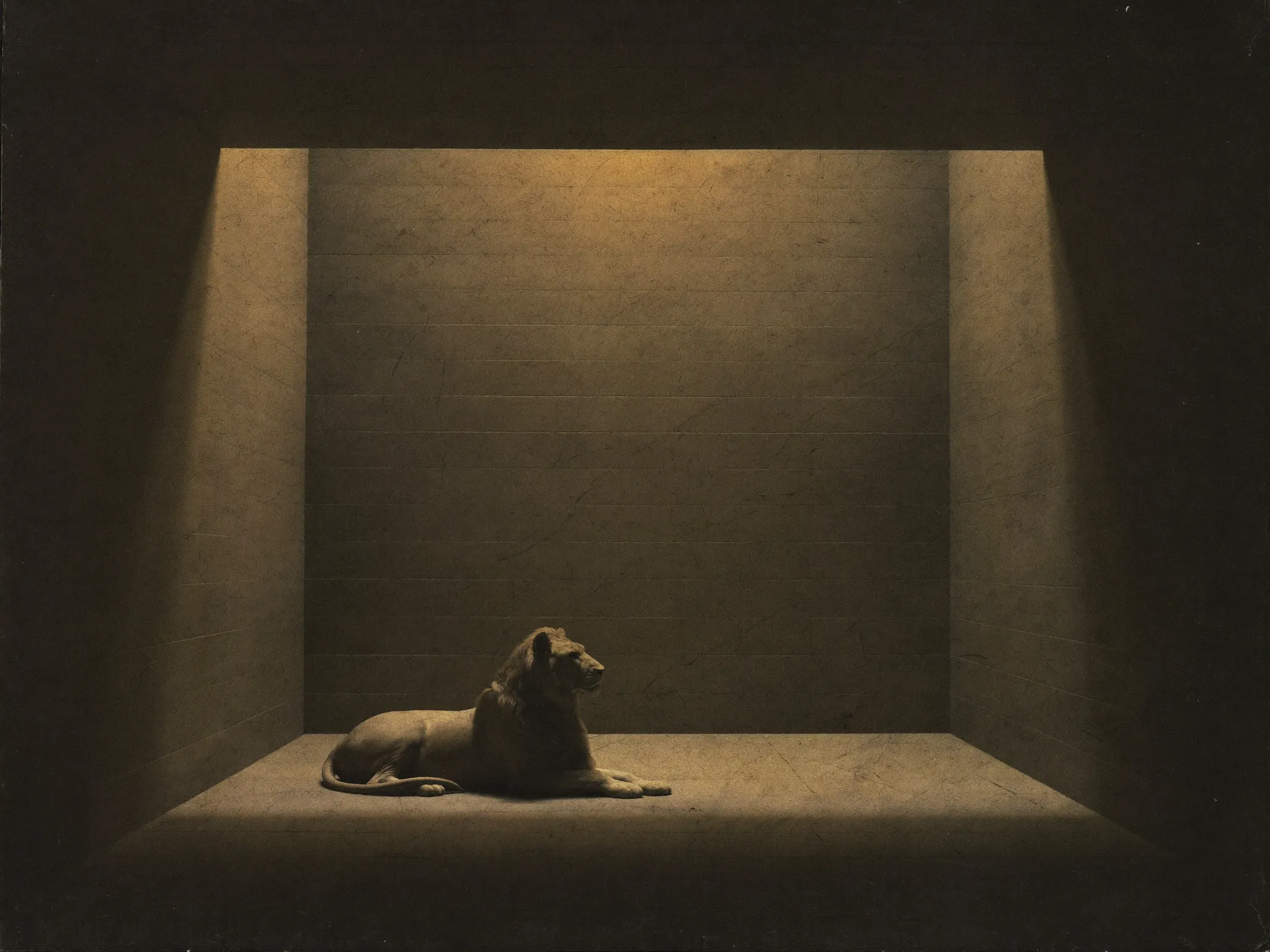
ദാനീയേൽ 4 — നിഗളിച്ചു നടക്കുന്നവരെ താഴ്ത്തുവാൻ അവൻ പ്രാപ്തൻ
നെബൂഖദ്നേസർ — നിങ്ങൾക്ക് സമാധാനം വർദ്ധിച്ചുവരട്ടെ. എന്നെ ഭയപ്പെടുത്തിയ ഒരു സ്വപ്നം ഞാൻ കണ്ടു. ഭൂമിയുടെ നടുവിൽ ഒരു വൃക്ഷം; അതിന്റെ ഉയരം ആകാശത്തോളം എത്തി. ഒരു പരിശുദ്ധൻ ഇറങ്ങിവന്നു — വൃക്ഷം വെട്ടിയിടുവിൻ. ദാനീയേൽ — രാജാവേ, വളർന്നു ബലവാനായിത്തീർന്നിരിക്കുന്ന ആ വൃക്ഷം തിരുമേനി തന്നെ. പന്ത്രണ്ടു മാസം കഴിഞ്ഞ് — ഞാൻ പണിത മഹത്വമുള്ള ബാബേൽ അല്ലയോ ഇത്? അവനെ മനുഷ്യരുടെ ഇടയിൽനിന്നു നീക്കിക്കളഞ്ഞു; അവൻ കാളയെപ്പോലെ പുല്ലു തിന്നു. ആ കാലം കഴിഞ്ഞ് ഞാൻ സ്വർഗ്ഗത്തിലേക്കു കണ്ണുകൾ ഉയർത്തി; എന്റെ ബുദ്ധി എനിക്കു മടക്കിക്കിട്ടി. നിഗളിച്ചു നടക്കുന്നവരെ താഴ്ത്തുവാൻ അവൻ പ്രാപ്തൻ തന്നെ.
“ഇപ്പോൾ നെബൂഖദ്നേസർ എന്ന ഞാൻ സ്വർഗ്ഗസ്ഥനായ രാജാവിനെ സ്തുതിച്ചു പുകഴ്ത്തി ബഹുമാനിക്കുന്നു; അവന്റെ പ്രവൃത്തികൾ എല്ലാം സത്യവും അവന്റെ വഴികൾ ന്യായവും ആകുന്നു; നിഗളിച്ചു നടക്കുന്നവരെ താഴ്ത്തുവാൻ അവൻ പ്രാപ്തൻ തന്നെ.”
— ദാനീയേൽ 4:37
- v.1-18 വൃക്ഷത്തിന്റെ സ്വപ്നം
- v.19-27 ദാനീയേലിന്റെ വ്യാഖ്യാനം
- v.28-33 നെബൂഖദ്നേസർ താഴ്ത്തപ്പെടുന്നു
- v.34-37 അവന്റെ പുനഃസ്ഥാപനവും സ്തുതിയും
സ്വർഗ്ഗത്തിലേക്ക് കണ്ണുകൾ ഉയർത്തി; എന്റെ ബുദ്ധി എനിക്ക് മടക്കിക്കിട്ടി. ക്രമം പ്രധാനമാണ്. മുകളിലേക്കു നോക്കിയതാണ് ഭ്രാന്ത് സുഖപ്പെടുത്തിയത്; ദൈവത്തിന്റെ ആകാശം നിരസിച്ച മനുഷ്യൻ ഒടുവിൽ അതു കണ്ടു.
മാനസാന്തരത്തിന് ഒരു മാതൃക. കണ്ണുകൾ സ്വർഗ്ഗത്തിലേക്കു തിരിയുമ്പോൾ സുബോധം മടങ്ങിവരുന്നു. ബുദ്ധി മടങ്ങിവരുന്നതുവരെ ആ നോട്ടം തുടരുക.
ലോകത്തിലെ ഏറ്റവും വലിയ രാജാവിന്റെ സമാപനസാക്ഷ്യം. നിഗളിച്ചു നടക്കുന്നവരെ താഴ്ത്തുവാൻ അവൻ പ്രാപ്തൻ തന്നെ. അനുഭവത്തിൽനിന്നു പറഞ്ഞത്.
താഴ്ത്തപ്പെട്ട ഒരു ജീവിതത്തിൽനിന്നു രൂപപ്പെട്ട ഒരു ദൈവശാസ്ത്രം. ആരു പറഞ്ഞു, എന്തെല്ലാം സഹിച്ചതിനുശേഷം പറഞ്ഞു എന്നതുകൊണ്ട് ഈ വാക്യം കൂടുതൽ വിശ്വസനീയമാകുന്നു.
30-ആം വാക്യം ഒരു ആത്മപരിശോധനയാണ്. ഒരു വിജയത്തിനുശേഷം നിങ്ങളുടെ സ്വന്തം വാക്കുകൾ ശ്രദ്ധിക്കുക. എത്ര ഞാൻ, എത്ര എന്റെ അവയിൽ കടന്നുവരുന്നു? പ്രതിവിധി 34-ആം വാക്യമാണ് — വീഴുന്നതിനു മുമ്പേ മുകളിലേക്കു നോക്കുക.
നിഗളികളെ താഴ്ത്തുന്ന സ്വർഗ്ഗസ്ഥനായ രാജാവ്, സ്വയം താഴ്മയോടെ വന്ന അതേ കർത്താവാണ് (ഫിലിപ്പ്യർ 2:6-8). നിഗളികളെ താഴ്ത്തുന്ന ദൈവം താഴ്മയുള്ളവരെ ഉയർത്തുന്നു — ഈ അദ്ധ്യായത്തിൽ, താഴ്ത്തപ്പെട്ട രാജാവിനെയും.
ഈ പേജിൽ നിങ്ങളുടെ ഭാഷയിലുള്ള തിരുവെഴുത്ത് പാഠം: ഇന്ത്യൻ റിവൈസ്ഡ് വേർഷൻ (IRV), © 2017, 2019 ബ്രിഡ്ജ് കണക്റ്റിവിറ്റി സൊല്യൂഷൻസ് — മാറ്റമില്ലാതെ ഈ ലൈസൻസിനു കീഴിൽ ഉപയോഗിച്ചത്: CC BY-SA 4.0 · eBible.org
അവന്റെ അതേ വാക്കുകൾ. ഞാൻ പണിത... എന്റെ ധനമാഹാത്മ്യം... എന്റെ പ്രതാപമഹത്വം. ഒരൊറ്റ വാക്യത്തിൽ മൂന്നു തവണ തന്നെക്കുറിച്ചുതന്നെ. ദൈവം പങ്കുവയ്ക്കാത്ത മഹത്വം സ്വയം ഏറ്റെടുക്കുന്ന നിഗളം.
വിജയിച്ച ഓരോ വ്യക്തിയും ഈ വാക്യം വായിക്കണം. ദൈവം നൽകിയതിന്റെ മഹത്വം സ്വയം ഏറ്റെടുക്കാനുള്ള പ്രലോഭനം സാർവ്വത്രികമാണ്.