ಕರಡು ಅನುವಾದ. ಮಾತೃಭಾಷಾ ಕ್ರೈಸ್ತರ ತಿದ್ದುಪಡಿಗಳಿಗೆ ಸ್ವಾಗತ. ವಚನ ಪಠ್ಯ KJV (ಇಂಗ್ಲಿಷ್)ನಲ್ಲಿರುತ್ತದೆ.
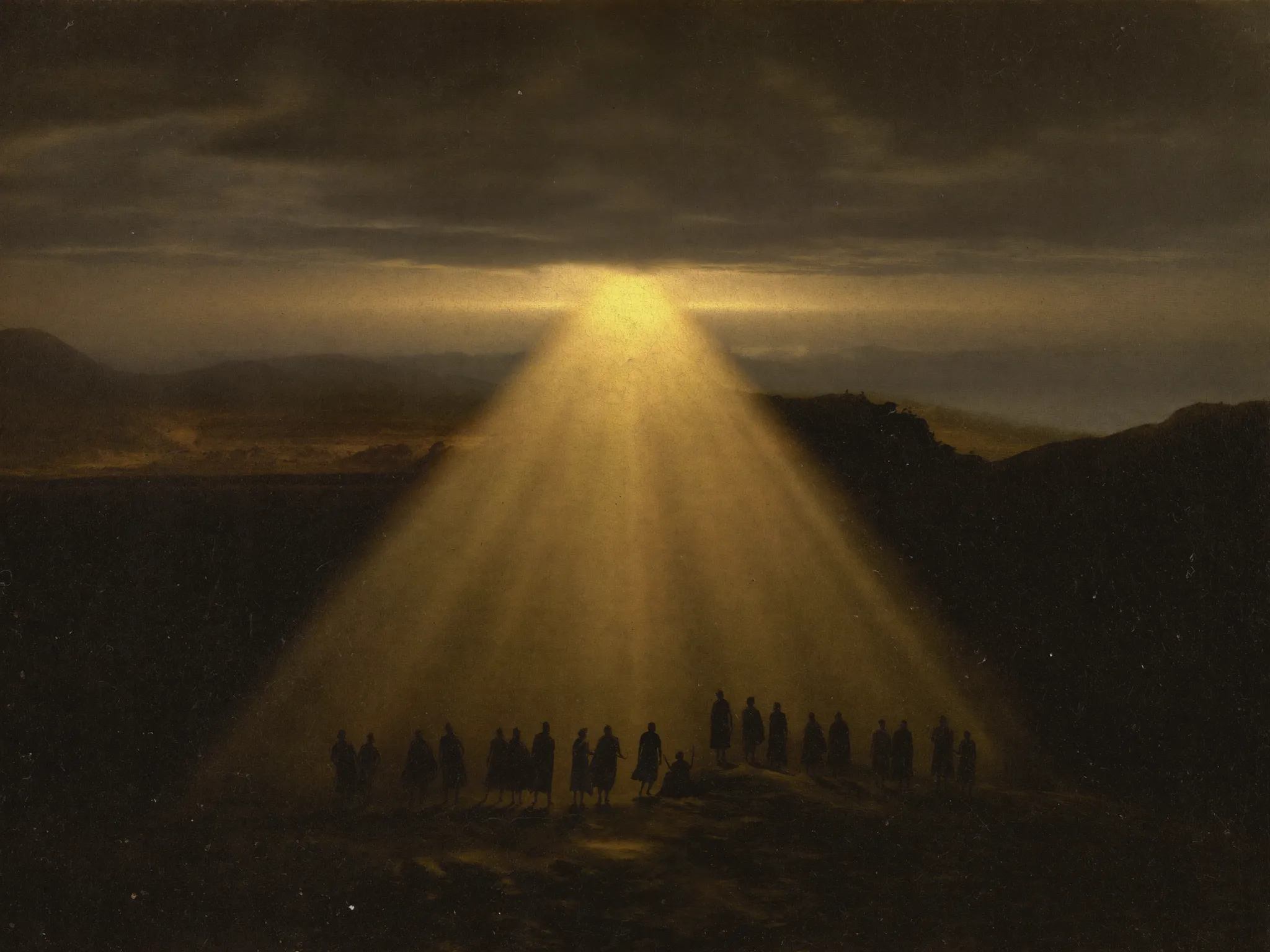
ಯೆಶಾಯನು 6 — ಸಿಂಹಾಸನ, ಸೆರಾಫಿಯರು, ಕಳುಹಿಸಲ್ಪಟ್ಟವನು
ಅರಸನಾದ ಉಜ್ಜೀಯನು ಮರಣಹೊಂದಿದ ವರ್ಷದಲ್ಲಿ ಯೆಶಾಯನು ಕರ್ತನನ್ನು ಕಾಣುತ್ತಾನೆ. ಆ ದರ್ಶನವು ಅವನನ್ನು ಛಿದ್ರಗೊಳಿಸುತ್ತದೆ, ಕೆಂಡವು ಅವನನ್ನು ಶುದ್ಧೀಕರಿಸುತ್ತದೆ, ಕರೆಯು ಅವನನ್ನು ನೇಮಿಸುತ್ತದೆ. ಪರಿಶುದ್ಧನಾದ ದೇವರೊಂದಿಗಿನ ಪ್ರತಿಯೊಂದು ನಿಜವಾದ ಮುಖಾಮುಖಿಗೆ ಇದೇ ಮಾದರಿ.
“ಆಗ, “ಯಾರನ್ನು ಕಳುಹಿಸಲಿ? ಯಾರು ನಮಗೋಸ್ಕರ ಹೋಗುವನು?” ಎಂಬ ಕರ್ತನ ನುಡಿಯನ್ನು ಕೇಳಿ, “ಇಗೋ, ನಾನಿದ್ದೇನೆ, ನನ್ನನ್ನು ಕಳುಹಿಸು” ಎಂದೆನು.”
— ಯೆಶಾಯನು 6:8
- v.1-4 ಸಿಂಹಾಸನ, ವಸ್ತ್ರದ ನೆರಿಗೆ, ಸೆರಾಫಿಯರ ದರ್ಶನ
- v.5 ಯೆಶಾಯನ ಕುಸಿತ — ಅಯ್ಯೋ, ನನ್ನ ಗತಿಯನ್ನು ಏನು ಹೇಳಲಿ!
- v.6-7 ಯಜ್ಞವೇದಿಯಿಂದ ಬಂದ ಶುದ್ಧೀಕರಿಸುವ ಕೆಂಡ
- v.8 ನೇಮಕ — ಇಗೋ, ನಾನಿದ್ದೇನೆ, ನನ್ನನ್ನು ಕಳುಹಿಸು
- v.9-13 ಕಠಿಣ ಸಂದೇಶ ಮತ್ತು ಪವಿತ್ರ ಸಂತಾನ
ಶಾಸ್ತ್ರದಲ್ಲಿ ಮೂರು ಸಾರಿ ಪುನರಾವರ್ತನೆಯಾಗುವ ದೇವರ ಏಕೈಕ ಗುಣ ಇದೇ. ಆತನು ಪ್ರೀತಿಸ್ವರೂಪನು, ನೀತಿವಂತನು, ಕರುಣಾಮಯನು — ಆದರೆ ಆತನು ಪರಿಶುದ್ಧನು, ಪರಿಶುದ್ಧನು, ಪರಿಶುದ್ಧನು. ಅನೇಕ ಕ್ರೈಸ್ತರು ಇಲ್ಲಿ ತ್ರಯೈಕ್ಯದ ಒಂದು ಪ್ರತಿಧ್ವನಿಯನ್ನು ಕೇಳಿದ್ದಾರೆ.
ಸೆರಾಫಿಯರು ತಮ್ಮ ಮುಖಗಳನ್ನೂ ಕಾಲುಗಳನ್ನೂ ಮುಚ್ಚಿಕೊಳ್ಳುತ್ತಾರೆ — ಎರಡು ರೆಕ್ಕೆಗಳಿಂದ ಮಾತ್ರ ಅವರು ಹಾರುತ್ತಾರೆ. ಭಯಭಕ್ತಿಯೇ ಪರಲೋಕದ ಪ್ರಧಾನ ಭಂಗಿ. ಭೂಲೋಕದಲ್ಲಿ ನಾವು ಇದನ್ನು ಮರೆತುಬಿಟ್ಟಿದ್ದೇವೆ.
ಪರಿಶುದ್ಧತೆಗೆ ನೀವು ಎಷ್ಟು ಹತ್ತಿರ ಬರುತ್ತೀರೋ, ಅಷ್ಟು ಹೆಚ್ಚಾಗಿ ನಿಮ್ಮ ಸ್ವಂತ ಪಾಪವನ್ನು ಕಾಣುತ್ತೀರಿ. ಐದು ಅಧ್ಯಾಯಗಳಾದ್ಯಂತ ಯೆಶಾಯನು "ಅಯ್ಯೋ" ಎಂಬ ದುರ್ಗತಿಯನ್ನು ಸಾರುತ್ತಿದ್ದನು; ಈಗ ಅವನು ಒಂದನ್ನು ತನ್ನ ಮೇಲೆಯೇ ಸಾರುತ್ತಾನೆ.
ದೇವರೊಂದಿಗಿನ ಪ್ರತಿಯೊಂದು ನಿಜವಾದ ಮುಖಾಮುಖಿಯೂ ಇದೇ ಕುಸಿತವನ್ನು ಉಂಟುಮಾಡುತ್ತದೆ. ಯೋಬನು ಧೂಳಿನಲ್ಲಿಯೂ ಬೂದಿಯಲ್ಲಿಯೂ ಪಶ್ಚಾತ್ತಾಪಪಟ್ಟನು (ಯೋಬನು 42:6). ಪೇತ್ರನು "ನನ್ನನ್ನು ಬಿಟ್ಟುಹೋಗು" ಎಂದು ಕೂಗಿದನು (ಲೂಕನು 5:8). ಯೋಹಾನನು ಸತ್ತವನ ಹಾಗೆ ಬಿದ್ದನು (ಪ್ರಕಟಣೆ 1:17).
ಕೆಂಡವು ಯಜ್ಞವೇದಿಯಿಂದ ಬರುತ್ತದೆ — ಬಲಿಯ ಸ್ಥಳದಿಂದ. ಶುದ್ಧೀಕರಣವು ಯಾವಾಗಲೂ ಪ್ರಾಯಶ್ಚಿತ್ತದಿಂದಲೇ ಹರಿದುಬರುತ್ತದೆ. ರಕ್ತವಿಲ್ಲದೆ ಶುದ್ಧೀಕರಣವಿಲ್ಲ (ಇಬ್ರಿಯರಿಗೆ 9:22).
ಗಮನಿಸಿರಿ — ಇಂಗ್ಲಿಷ್ (KJV) ಪಠ್ಯದಲ್ಲಿ ಸೆರಾಫಿಯನು ಯಜ್ಞವೇದಿಯಿಂದ ಕೆಂಡವನ್ನು ಇಕ್ಕಳದಿಂದ ತೆಗೆದುಕೊಂಡನು. ದೂತನನ್ನು ಸುಡುವಂಥದ್ದು ಮನುಷ್ಯನನ್ನು ಶುದ್ಧೀಕರಿಸುತ್ತದೆ. ಅಪವಿತ್ರರಿಗೆ ನ್ಯಾಯತೀರಿಸುವ ಬೆಂಕಿಯು ಪಶ್ಚಾತ್ತಾಪಪಡುವವರನ್ನು ಶುದ್ಧೀಕರಿಸುತ್ತದೆ.
ದೇವರು ಬಲವಂತವಾಗಿ ಸೇರಿಸಿಕೊಳ್ಳುವುದಿಲ್ಲ. ಆತನು ಕರೆಯುತ್ತಾನೆ. "ನಮಗೋಸ್ಕರ" ಎಂಬುದು ದೈವಿಕ ಬಹುತ್ವದ ಸುಳಿವು ಕೊಡುತ್ತದೆ — ನೇಮಿಸುವ ಮೊದಲು ತಂದೆ, ಮಗ ಮತ್ತು ಪವಿತ್ರಾತ್ಮರು ಸಮಾಲೋಚಿಸುತ್ತಿದ್ದಾರೆ.
ಯೆಶಾಯನ ಉತ್ತರವು ಶುದ್ಧೀಕರಣದ ನಂತರವೇ ಬರುತ್ತದೆ. ತನ್ನ ಪಾಪದ ಭಾರವು ನೀಗಿದ್ದರಿಂದಲೇ ಕ್ಷಮಿಸಲ್ಪಟ್ಟ ಮನುಷ್ಯನು ಸ್ವಇಚ್ಛೆಯಿಂದ ಮುಂದೆ ಬರುತ್ತಾನೆ. ಅಪರಾಧಿ ಹೃದಯಗಳು ಅಡಗಿಕೊಳ್ಳುತ್ತವೆ; ಶುದ್ಧೀಕರಿಸಲ್ಪಟ್ಟ ಹೃದಯಗಳು "ನನ್ನನ್ನು ಕಳುಹಿಸು" ಎನ್ನುತ್ತವೆ.
ಮೊದಲು "ಅಯ್ಯೋ, ನನ್ನ ಗತಿಯನ್ನು ಏನು ಹೇಳಲಿ" ಎಂದು ಹೇಳುವ ತನಕ ನೀವು "ನನ್ನನ್ನು ಕಳುಹಿಸು" ಎಂದು ಹೇಳಲಾರಿರಿ. ಯೋಗ್ಯರೆಂದು ನಟಿಸುವುದು ಆತ್ಮವಿಶ್ವಾಸದ ಮಿಷನರಿಗಳನ್ನು ಉಂಟುಮಾಡುತ್ತದೆ — ಅವರು ಯಾವಾಗಲೂ ಸೋಲುತ್ತಾರೆ. ಮೊದಲು ಕುಸಿದುಹೋಗಿರಿ. ಕೆಂಡವನ್ನು ಸ್ವೀಕರಿಸಿರಿ. ಅನಂತರ ಹೋಗಿರಿ.
ಸಿಂಹಾಸನದ ಮೇಲಿದ್ದಾತನು ಕ್ರಿಸ್ತನೇ ಎಂದು ಯೋಹಾನನು ನಮಗೆ ತಿಳಿಸುತ್ತಾನೆ (ಯೋಹಾನನು 12:41). ಕೆಂಡವು ಶಿಲುಬೆಯ ಮುನ್ಸೂಚನೆ — ಬಲಿಯ ವೇದಿಯಿಂದ ಬಂದ ಬೆಂಕಿಯು ಅಶುದ್ಧ ತುಟಿಗಳನ್ನು ಶುದ್ಧೀಕರಿಸುತ್ತದೆ. ದೇವರಿಗಾಗಿ ಮಾತನಾಡುವ ಪ್ರತಿಯೊಬ್ಬ ಬೋಧಕನೂ ಮಾತನಾಡುವುದು ಕ್ರಿಸ್ತನು ಅವನ ಬಾಯನ್ನು ಮುಟ್ಟಿದ್ದರಿಂದಲೇ.
ಈ ಪುಟದಲ್ಲಿ ನಿಮ್ಮ ಭಾಷೆಯ ಶಾಸ್ತ್ರಪಾಠ: ಇಂಡಿಯನ್ ರಿವೈಸ್ಡ್ ವರ್ಷನ್ (IRV), © 2017, 2019 ಬ್ರಿಡ್ಜ್ ಕನೆಕ್ಟಿವಿಟಿ ಸೊಲ್ಯೂಷನ್ಸ್ — ಯಾವುದೇ ಬದಲಾವಣೆಯಿಲ್ಲದೆ ಈ ಪರವಾನಗಿಯಡಿ ಬಳಸಲಾಗಿದೆ: CC BY-SA 4.0 · eBible.org
ಭೂಲೋಕದ ಸಿಂಹಾಸನಗಳು ಉರುಳುತ್ತವೆ — ಯೆಹೂದದ ಅರಸನು ಮರಣಹೊಂದಿದ್ದಾನೆ. ಆದರೆ ಪರಲೋಕದ ಸಿಂಹಾಸನವು ಉರುಳುವುದಿಲ್ಲ. ನಾವು ಇನ್ನೂ ಮೇಲಕ್ಕೆ ನೋಡಬೇಕೆಂದು ಕೆಲವೊಮ್ಮೆ ದೇವರು ಒಂದು ಮಾನವ ಅಧಿಕಾರವನ್ನು ತೆಗೆದುಹಾಕುತ್ತಾನೆ.
ಯೆಶಾಯನು ಕರ್ತನನ್ನು ಕಾಣುತ್ತಾನೆ. ಇದು ಯೇಸುವೇ ಆಗಿದ್ದನೆಂದು ಯೋಹಾನನು 12:41 ನಮಗೆ ತಿಳಿಸುತ್ತದೆ — "ಯೆಶಾಯನು ಯೇಸುವಿನ ಮಹಿಮೆಯನ್ನು ನೋಡಿದ್ದರಿಂದ ಆತನ ವಿಷಯವಾಗಿ ಈ ಮಾತನ್ನು ಹೇಳಿದನು." ಶಿಲುಬೆಯ ಕ್ರಿಸ್ತನೇ ಯೆಶಾಯನ ದರ್ಶನದಲ್ಲಿ ಸಿಂಹಾಸನಾರೂಢನಾಗಿದ್ದ ಅದೇ ವ್ಯಕ್ತಿ.