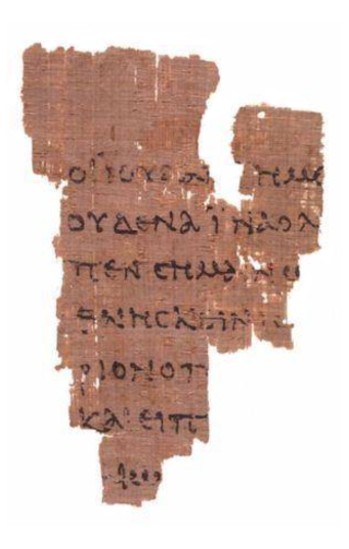

ಹೊಸ ಒಡಂಬಡಿಕೆಯ ಯಾವುದೇ ಪುಸ್ತಕದ ತಿಳಿದಿರುವ ಅತ್ಯಂತ ಹಳೆಯ ತುಣುಕು ಒಂದು ಆಟದ ಇಸ್ಪೀಟೆಲೆಯ ಗಾತ್ರದ ಚೂರು; ಅದರ ಮೇಲೆ ಪಿಲಾತನೊಂದಿಗೆ ಯೇಸುವಿನ ಸಂಭಾಷಣೆಯ ಕೆಲವು ಮುರಿದ ಸಾಲುಗಳಿವೆ. ಅದರ ಮಹತ್ವ ಲೆಕ್ಕಾಚಾರದ ವಿಷಯ: ಹತ್ತೊಂಬತ್ತನೇ ಶತಮಾನದ ವಿಮರ್ಶಕರು ಯೋಹಾನನ ಸುವಾರ್ತೆಯ ರಚನೆಯನ್ನು ಎರಡನೇ ಶತಮಾನದ ಕೊನೆಯ ಭಾಗಕ್ಕೆ ನಿಗದಿಪಡಿಸಿದ್ದರು — ಪ್ರತ್ಯಕ್ಷಸಾಕ್ಷಿಗಳ ನೆನಪಿಗೆ ತೀರಾ ತಡವಾಗಿ. ಆದರೆ ಈ ಪ್ರತಿ — ಅದೂ ಈಜಿಪ್ಟಿನ ಪ್ರಾಂತೀಯ ಪ್ರದೇಶದಲ್ಲಿ ಕೋಡೆಕ್ಸ್ ರೂಪದಲ್ಲಿ ಚಲಾವಣೆಯಲ್ಲಿದ್ದ ಪ್ರತಿ — ಸ್ವತಃ ಸುಮಾರು ಎರಡನೇ ಶತಮಾನದ ಆರಂಭ-ಮಧ್ಯಭಾಗದ್ದು. ಆ ಸುವಾರ್ತೆಯನ್ನು ಅದಕ್ಕಿಂತ ಬಹಳ ಮುಂಚೆಯೇ ಬರೆದು, ಪ್ರಕಟಿಸಿ, ವಿದೇಶಕ್ಕೆ ಒಯ್ದಿರಲೇಬೇಕು.
- ಇದು ಏನು
- ಎರಡೂ ಬದಿಗಳಲ್ಲಿ ಯೋಹಾನನು 18ರ ಗ್ರೀಕ್ ಪಠ್ಯವಿರುವ, ಕ್ರೆಡಿಟ್ ಕಾರ್ಡ್ ಗಾತ್ರದ ಒಂದು ಪಪೈರಸ್ ಕೋಡೆಕ್ಸ್ ತುಣುಕು
- ವಸ್ತುವಿನ ಕಾಲ
- ಸಾಮಾನ್ಯವಾಗಿ ಸು. ಕ್ರಿ.ಶ. 125–175ಕ್ಕೆ ನಿಗದಿಪಡಿಸಲಾಗುತ್ತದೆ
- ಪತ್ತೆಯಾದದ್ದು
- ಈಜಿಪ್ಟ್ (1920ರಲ್ಲಿ ಪಪೈರಸ್ಗಳ ಒಂದು ಕಟ್ಟಿನೊಂದಿಗೆ ಸ್ವಾಧೀನಪಡಿಸಿಕೊಳ್ಳಲಾಯಿತು; 1934ರಲ್ಲಿ ಗುರುತಿಸಲಾಯಿತು), 1920 (ಬರ್ನಾರ್ಡ್ ಗ್ರೆನ್ಫೆಲ್ ಸ್ವಾಧೀನಪಡಿಸಿಕೊಂಡರು; ಸಿ. ಎಚ್. ರಾಬರ್ಟ್ಸ್ ಗುರುತಿಸಿದರು)
- ಈಗ ಎಲ್ಲಿದೆ
- ಜಾನ್ ರೈಲ್ಯಾಂಡ್ಸ್ ಗ್ರಂಥಾಲಯ, ಮ್ಯಾಂಚೆಸ್ಟರ್
- ಸಂಬಂಧಿಸಿರುವುದು
- ಯಾವುದೇ ಸುವಾರ್ತಾ ಪಠ್ಯದ ಉಳಿದಿರುವ ಅತ್ಯಂತ ಹಳೆಯ ಭೌತಿಕ ಪ್ರತಿ — ಪಿಲಾತನ ಮುಂದೆ ಯೇಸು
- ಶಾಸ್ತ್ರಗ್ರಂಥ
- ಯೋಹಾನನು 18:31–33 · ಯೋಹಾನನು 18:37–38
ಈ ಶೋಧವು ತೋರಿಸುವುದುಯೋಹಾನನ ಸುವಾರ್ತೆಯು ಎರಡನೇ ಶತಮಾನದ ಆರಂಭಕ್ಕಿಂತ ತಡವಾಗಿ ರಚಿತವಾಗಿಲ್ಲ, ಮತ್ತು ಸಂಭಾವ್ಯವಾಗಿ ಮೊದಲನೇ ಶತಮಾನದೊಳಗೇ ರಚಿತವಾಯಿತು — ಹಳೆಯ ತಡ-ದಿನಾಂಕದ ಸಂಶಯವಾದವು ಸತ್ತುಹೋಗಿದೆ, ಒಂದು ಪಪೈರಸ್ ಚೂರು ಅದನ್ನು ಕೊಂದುಹಾಕಿತು.
ಇದು ರುಜುವಾತುಪಡಿಸದಿರುವುದುಕೈಬರಹದ ಕಾಲವನ್ನು ಕೆಲವು ದಶಕಗಳ ವ್ಯಾಪ್ತಿಯೊಳಗೆ ಮಾತ್ರ ನಿರ್ಣಯಿಸಬಹುದು, ಆದ್ದರಿಂದ P52 ಒಂದು ನಿಖರ ವರ್ಷವನ್ನು ನಿಗದಿಪಡಿಸಲಾರದು; ಮತ್ತು ಒಂದು ಆರಂಭಿಕ ಪ್ರತಿಯು ಪುಸ್ತಕದ ಪ್ರಾಚೀನತೆಯನ್ನು ದೃಢಪಡಿಸುತ್ತದೆ, ಅದರ ವಿಷಯಗಳ ಸತ್ಯತೆಯನ್ನಲ್ಲ.
ಮೂಲಗಳು ಮತ್ತು ಹೆಚ್ಚಿನ ಓದು