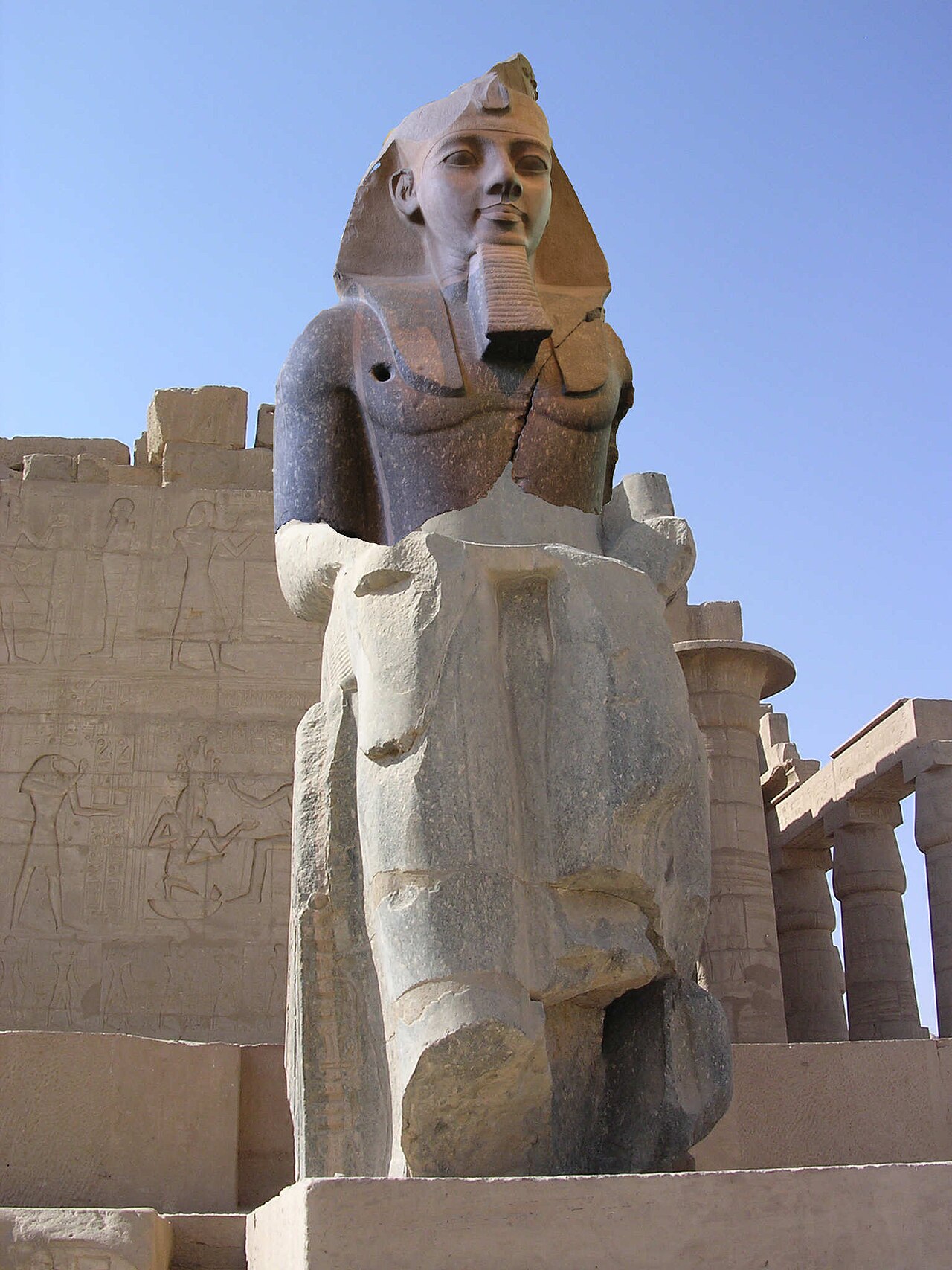

ಗುಲಾಮಗಿರಿಯಲ್ಲಿದ್ದ ಇಸ್ರಾಯೇಲ್ಯರು ಪಿತೋಮ್ ಮತ್ತು ರಮ್ಸೇಸ್ ಎಂಬ ಉಗ್ರಾಣಪಟ್ಟಣಗಳನ್ನು ಕಟ್ಟಿದರೆಂದು ವಿಮೋಚನಕಾಂಡ ಹೇಳುತ್ತದೆ. ಬಹುಕಾಲ ರಮ್ಸೇಸ್ ಎಲ್ಲಿತ್ತೆಂದು ಯಾರಿಗೂ ತೋರಿಸಲಾಗಲಿಲ್ಲ — ಪ್ರತಿಸ್ಪರ್ಧಿ ಸ್ಥಳವಾದ ಟ್ಯಾನಿಸ್ನಲ್ಲಿ ರಾಮೆಸೆಸ್ ಕಾಲದ ಸ್ಮಾರಕಗಳಿದ್ದವು, ಆದರೆ ಅದು ಅವುಗಳನ್ನು ಬೇರೆಡೆಯಿಂದ ತಂದು ಮರುಬಳಸಿದ್ದ ನಂತರದ ಊರು ಎಂದು ಸಾಬೀತಾಯಿತು. ಕೊನೆಗೆ ಉತ್ಖನನವು ನಿಜವಾದ ನಗರವನ್ನು ಕಾಂತಿರ್ನಲ್ಲಿ ಕಂಡುಕೊಂಡಿತು: ಎರಡನೇ ರಾಮೆಸೆಸ್ ತನ್ನ ಹೆಸರನ್ನೇ ಇಟ್ಟ ವಿಸ್ತಾರವಾದ ಮುಖಜಭೂಮಿಯ ರಾಜಧಾನಿ — ಅರಮನೆಗಳು, ಆರಾಧನಾಲಯಗಳು, ಮತ್ತು ಬಹುಕಾಲ ಸೆಮಿಟಿಕ್ (“ಏಷ್ಯಾದ”) ಜನರು ವಾಸಿಸುತ್ತಿದ್ದ ಒಂದು ಬಡಾವಣೆಯೊಂದಿಗೆ. ಈ ನಗರವು ಕ್ರಿ.ಪೂ. ಹದಿಮೂರನೇ ಶತಮಾನದಲ್ಲಿ ಸಮೃದ್ಧವಾಗಿತ್ತು ಮತ್ತು ಆ ಬಳಿಕ ಬಹುಮಟ್ಟಿಗೆ ಕೈಬಿಡಲ್ಪಟ್ಟಿತು — ಆದ್ದರಿಂದಲೇ ಅದರ ಹೆಸರು ವಿಮೋಚನಕಾಂಡ ಕಾಪಾಡಿರುವ ನೆನಪಿನಷ್ಟೇ ಹಳೆಯ ಒಂದು ನೆನಪಿನಲ್ಲಿ ಮಾತ್ರ ಉಳಿಯಿತು.
- ಇದು ಏನು
- ಎರಡನೇ ರಾಮೆಸೆಸ್ನ ನೈಲ್-ಮುಖಜಭೂಮಿಯ ರಾಜಧಾನಿಯ ಹೂತುಹೋದ ಅವಶೇಷಗಳು, ಈಶಾನ್ಯ ಮುಖಜಭೂಮಿಯ ಕಾಂತಿರ್ನಲ್ಲಿ ಗುರುತಿಸಲ್ಪಟ್ಟವು
- ವಸ್ತುವಿನ ಕಾಲ
- ಕ್ರಿ.ಪೂ. 13ನೇ ಶತಮಾನ
- ಪತ್ತೆಯಾದದ್ದು
- ಕಾಂತಿರ್ (ಪ್ರಾಚೀನ ಪೈ-ರಾಮೆಸೆ), ಈಶಾನ್ಯ ನೈಲ್ ಮುಖಜಭೂಮಿ, ಈಜಿಪ್ಟ್ (ದಶಕಗಳ ಉತ್ಖನನದ ಮೂಲಕ ಗುರುತಿಸಲಾಯಿತು, ವಿಶೇಷವಾಗಿ ಮ್ಯಾನ್ಫ್ರೆಡ್ ಬಿಯೆಟಾಕ್ ಮತ್ತು ಎಡ್ಗರ್ ಪುಷ್ ಅವರಿಂದ)
- ಈಗ ಎಲ್ಲಿದೆ
- ಸ್ಥಳದಲ್ಲೇ; ದೊರೆತ ವಸ್ತುಗಳು ಈಜಿಪ್ಟಿನ ವಸ್ತುಸಂಗ್ರಹಾಲಯಗಳಲ್ಲಿ
- ಸಂಬಂಧಿಸಿರುವುದು
- ಗುಲಾಮಗಿರಿಯಲ್ಲಿದ್ದ ಇಸ್ರಾಯೇಲ್ಯರು ಕಟ್ಟಿದರೆಂದು ಹೇಳಲಾಗಿರುವ “ರಮ್ಸೇಸ್” ಉಗ್ರಾಣಪಟ್ಟಣ
- ಶಾಸ್ತ್ರಗ್ರಂಥ
- ವಿಮೋಚನಕಾಂಡ 1:11
ಈ ಶೋಧವು ತೋರಿಸುವುದುರಮ್ಸೇಸ್ ಎಂಬ ನಿಜವಾದ ಈಜಿಪ್ಟಿನ ಉಗ್ರಾಣಪಟ್ಟಣವು, ವಿಮೋಚನ ಸಂಪ್ರದಾಯವು ಇಸ್ರಾಯೇಲ್ಯರ ಬಲವಂತದ ದುಡಿಮೆಯನ್ನು ಇರಿಸುವ ನಿಖರವಾದ ಸ್ಥಳದಲ್ಲೂ ಕಾಲದಲ್ಲೂ ಇತ್ತು — ನಿಜವಾಗಿಯೂ ಸೆಮಿಟಿಕ್ ಕಾರ್ಮಿಕರು ನೆಲೆಸಿದ್ದ ಮುಖಜಭೂಮಿಯ ಪ್ರದೇಶದಲ್ಲಿ.
ಇದು ರುಜುವಾತುಪಡಿಸದಿರುವುದುಅದನ್ನು ನಿರ್ದಿಷ್ಟವಾಗಿ ಇಸ್ರಾಯೇಲ್ಯರೇ ಕಟ್ಟಿದರು ಎಂಬುದನ್ನಾಗಲಿ, ವಿಮೋಚನವು ನಡೆಯಿತು ಎಂಬುದನ್ನಾಗಲಿ ಇದು ತೋರಿಸುವುದಿಲ್ಲ — ಇದು ಕಥೆಯ ಭೂಗೋಳಕ್ಕೆ ನೆಲೆ ಒದಗಿಸುತ್ತದೆ, ಅದರ ಘಟನೆಗಳಿಗಲ್ಲ.
ವಿವಾದಿತ: ವಿಮೋಚನದ ಕಾಲ, ಪ್ರಮಾಣ ಮತ್ತು ಅದರ ಐತಿಹಾಸಿಕತೆಯೂ ತೀವ್ರವಾಗಿ ಚರ್ಚೆಯಲ್ಲಿವೆ. ಈ ಸ್ಥಳವು ತೀರ್ಮಾನಿಸುವುದು ಸೀಮಿತವಾದರೂ ನಿಜವಾದದ್ದು: ವಿಮೋಚನಕಾಂಡ 1:11ರ ಸ್ಥಳನಾಮ ಮತ್ತು ಹಿನ್ನೆಲೆ ಹದಿಮೂರನೇ ಶತಮಾನದ ಅಸಲಿ ಮುಖಜಭೂಮಿಯ ಭೂಗೋಳವನ್ನು ಪ್ರತಿಬಿಂಬಿಸುತ್ತವೆ, ನಂತರದ ಕಲ್ಪನೆಯನ್ನಲ್ಲ.
ಮೂಲಗಳು ಮತ್ತು ಹೆಚ್ಚಿನ ಓದು