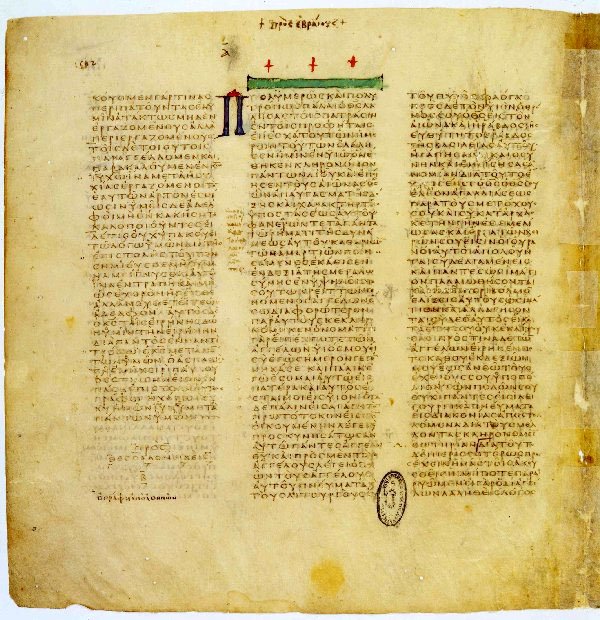

When ancient copies disagree — and thousands do — how does anyone decide what the original said? That is the work of textual criticism: comparing manuscripts, weighing their age and geographic spread, and recognizing the typical slips scribes made, in order to reconstruct the most probable wording. It is careful, disciplined detective work, and it is the same method applied to every ancient text — not a special pleading for the Bible.
- Textual criticism weighs manuscript age, geographic spread, and known scribal-error patterns.
- It is the standard method for all ancient texts, not unique to the Bible.
What the evidence showsThere is a rigorous, mainstream method — shared by believing and secular scholars alike — for recovering the most likely original wording.
Where it stopsIt recovers wording, not truth or authorship, and it yields probabilities, not certainties; at some points the original reading is genuinely uncertain.