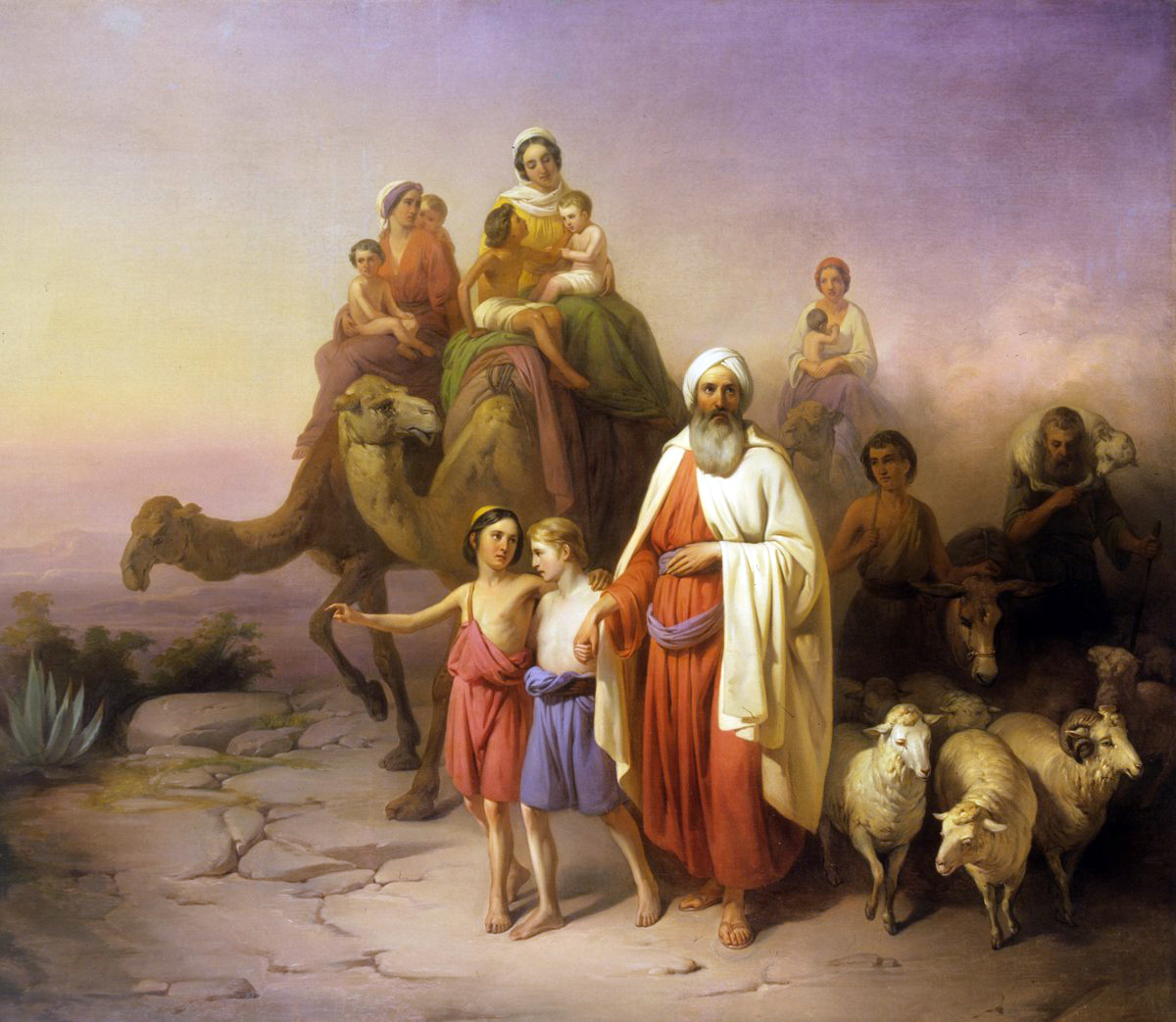

हर लंबी कहानी एक 'हाँ' पर मुड़ती है। कोई अपना जन्मस्थान छोड़ देता है, बिना जाने कि आगे क्या है, क्योंकि एक भरोसेमंद आवाज़ कहती है — जा। पूरी बाइबिल ऐसे ही एक क्षण पर घूमती है। अब तक उत्पत्ति सबकी कहानी रही है — सृष्टि, जलप्रलय, बाबेल में बिखरती जातियाँ। फिर वह सिमटकर एक निःसंतान बूढ़े व्यक्ति और एक प्रतिज्ञा पर आ जाती है, और फिर कभी उसी तरह 'सब लोगों' तक नहीं फैलती। यहीं उद्धार की योजना को एक चेहरा मिलता है।
कहानी में यह कहाँ है: उत्पत्ति 1–11 में संसार चार बार बिगड़ता है (वाटिका, कैन, जलप्रलय, बाबेल)। अध्याय 12 इन चारों का परमेश्वर का उत्तर है: फिर से सब मिटा देने के बजाय, वह एक परिवार को चुनता है ताकि वह बिखरी हुई पूरी मानव जाति तक आशीष वापस ले जाए। क्रम से पढ़ें तो वह मोड़ महसूस होता है — कहानी यह पूछना छोड़ देती है कि 'मनुष्य में क्या खराबी है?' और उसका उत्तर देना शुरू करती है।
यह अध्याय क्या कर रहा है: पुराने नियम की केंद्रीय प्रतिज्ञा को आरंभ करना — भूमि, वंश, और अब्राम के द्वारा सब जातियों के लिए आशीष — और यह दिखाना कि वह उसी एकमात्र तरीके से शुरू होती है जिससे प्रतिज्ञाएँ शुरू होती हैं: एक व्यक्ति के सचमुच चल पड़ने से।
- 12:1–3 — तीन भागों वाली प्रतिज्ञा: एक देश, एक बड़ी जाति, और — वह पंक्ति जिसकी ओर बाकी बाइबिल बार-बार लौटती है — 'भूमण्डल के सारे कुल तेरे द्वारा आशीष पाएँगे।' आशीष शुरू से ही बाहर की ओर लक्षित है; इस्राएल बाकी सबके लिए चुना गया, उनके स्थान पर नहीं।
- 12:4–9 — अब्राम चल पड़ता है। वह पचहत्तर वर्ष का है, निःसंतान है, और जिस देश की प्रतिज्ञा हुई है वह पहले से कनानियों से भरा है। यात्रा करते हुए वह वेदियाँ बनाता है — एक इंच ज़मीन का मालिक होने से पहले ही उस भूमि को आराधना से चिह्नित करता है।
- 12:10–20 — तुरंत ही सब गड़बड़ हो जाता है: अकाल उसे मिस्र ले जाता है, और खुद को बचाने के लिए वह सारै के बारे में झूठ बोलता है। प्रतिज्ञा ढोने वाला व्यक्ति कोई नायक नहीं है। कहानी पहले दिन से इस बारे में ईमानदार है।
- पारंपरिक / 'उच्च' कालक्रम: बाइबिल की आयु-गणनाओं और मिस्र के 430 वर्षों को पीछे गिनने पर अब्राम का जन्म लगभग 2166 ईसा पूर्व और उसकी बुलाहट लगभग 2091 ईसा पूर्व आती है (अशर और मेरिल का पुनर्निर्माण ऐसा ही है)।
- मध्य कांस्य युग की पृष्ठभूमि: ऐतिहासिक कुलपिता-मूल को मानने वाले कई लोग इस परिवार को लगभग 2000–1800 ईसा पूर्व की संस्कृति में रखते हैं — पाठ के रीति-रिवाज, नाम और नगर-स्थल उससे मेल खाते हैं।
- न्यूनतमवादी मत: कुलपिताओं की कहानियाँ बहुत बाद में आकार लीं और कालनिर्धारण योग्य जीवनी से अधिक धर्मविज्ञान को संजोती हैं।
मुख्य पद: उत्पत्ति 12:2–3 · तो क्या: टूटे संसार के लिए बाइबिल का उत्तर कोई कार्यक्रम नहीं, एक व्यक्ति है — और एक प्रतिज्ञा जो सदा उस व्यक्ति से आगे बाकी सबकी ओर संकेत करती है। इतिहास के बारे में आप जो भी सोचें, इस आकार पर ध्यान दें: आशीष बनने के लिए चुना जाना, लाड़ला बनने के लिए नहीं।