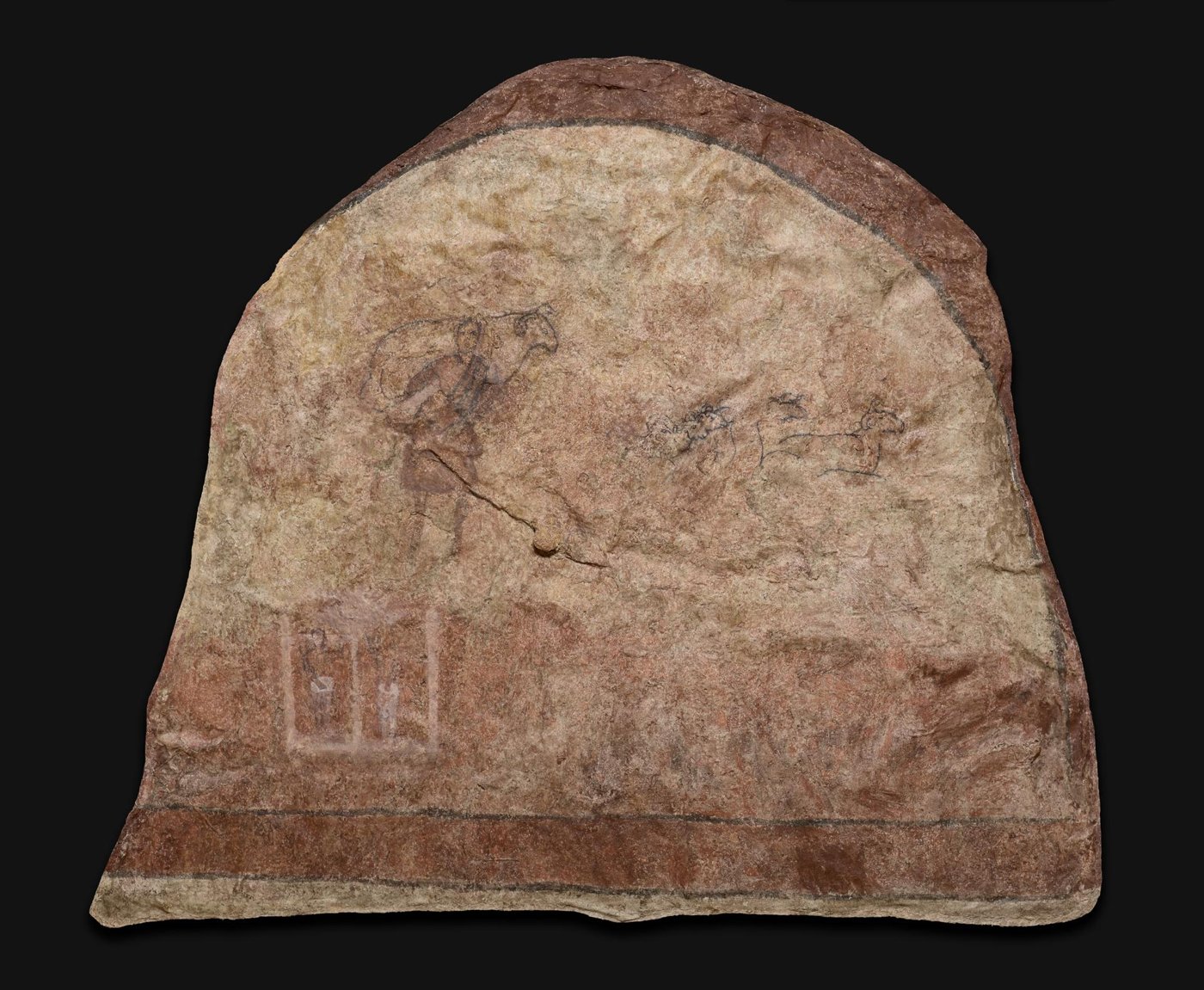

ஐபிராத்து நதிக்கரையிலுள்ள ஒரு ரோமப் படைமுகாம் நகரத்தில் — ஏறக்குறைய கி.பி. 256ல் நகரம் வீழ்ந்தபோது புதையுண்டது — கிறிஸ்தவப் பயன்பாட்டுக்காக அமைதியாக மாற்றியமைக்கப்பட்ட ஒரு சாதாரண முற்ற வீட்டைத் தொல்லியலாளர்கள் கண்டெடுத்தனர் — சபை கூடுவதற்கு ஓர் அறையும், காலம் கணிக்கக்கூடிய மிகப் பழமையான கிறிஸ்தவக் காட்சிகள் வரையப்பட்ட ஒரு சிறிய ஞானஸ்நான அறையும்; அவற்றுள் நல்ல மேய்ப்பரும், வெறுமையான கல்லறையருகே பெண்களும் உள்ளனர். அறியப்பட்டவற்றில் இதுவே மிகப் பழமையான கிறிஸ்தவ தேவாலயக் கட்டடம்: கான்ஸ்டன்டைனின் பெரும் தேவாலயங்களுக்கு முன், ஒரு சபை இன்னும் ஒரு வீடாகவே இருந்த காலத்தில், விசுவாசிகள் எப்படிக் கூடினார்கள், எப்படி ஞானஸ்நானம் கொடுத்தார்கள் என்பதன் ஒரு நொடிப்படம்.
- இது என்ன
- கிறிஸ்தவ ஆராதனைக்காக மாற்றியமைக்கப்பட்ட, ஐபிராத்து நதிக்கரையிலுள்ள ஒரு முற்ற வீடு — இதுவரை கண்டெடுக்கப்பட்டவற்றில் அடையாளம் காணக்கூடிய மிகப் பழமையான கிறிஸ்தவ தேவாலயக் கட்டடம் — ஞானஸ்நான அறையில் வரையப்பட்ட காட்சிகளுடன்
- பொருளின் காலம்
- ஏறக்குறைய கி.பி. 233; நகரம் ஏறக்குறைய கி.பி. 256ல் வீழ்ந்தது
- கண்டுபிடிக்கப்பட்டது
- டூரா-யூரோப்போஸ், கிழக்கு சிரியா, 1920 (யேல் பல்கலைக்கழகம், பிரெஞ்சு அகாதமி ஆகியவற்றின் அகழ்வாராய்ச்சிகள்)
- இப்போது இருக்கும் இடம்
- மீண்டும் அமைக்கப்பட்ட ஞானஸ்நான அறை யேல் பல்கலைக்கழகக் கலைக்கூடத்தில்; இடம் சிரியாவில்
- தொடர்புடையது
- புதிய ஏற்பாட்டுக்குப் பிந்தைய தலைமுறைகளில் கிறிஸ்தவ ஆராதனையின் பௌதிக வடிவம்
- வேதவாக்கியம்
- மத்தேயு 28:19 · அப்போஸ்தலர் 2:42
இந்தக் கண்டுபிடிப்பு காட்டுவதுமூன்றாம் நூற்றாண்டின் நடுப்பகுதிக்குள், நிலையான, மாற்றியமைக்கப்பட்ட ஒரு கட்டடத்தில் ஒழுங்கமைக்கப்பட்ட சபை ஆராதனையும் ஞானஸ்நான ஆராதனையும் — மிகப் பழமையான கிறிஸ்தவக் கதைக் கலையுடன்.
இது நிரூபிக்காததுஇது அப்போஸ்தலர் காலத்துக்குப் பிந்தையது; இது இயக்கத்தின் பிற்கால வாழ்வைக் காட்டுகிறது, புதிய ஏற்பாட்டுக் காலத்தை அல்ல; அதன் அமைப்பு எல்லா இடங்களிலும் பொதுவானதாக இருந்திருக்க வேண்டியதில்லை.
ஆதாரங்கள் & மேலும் படிக்க