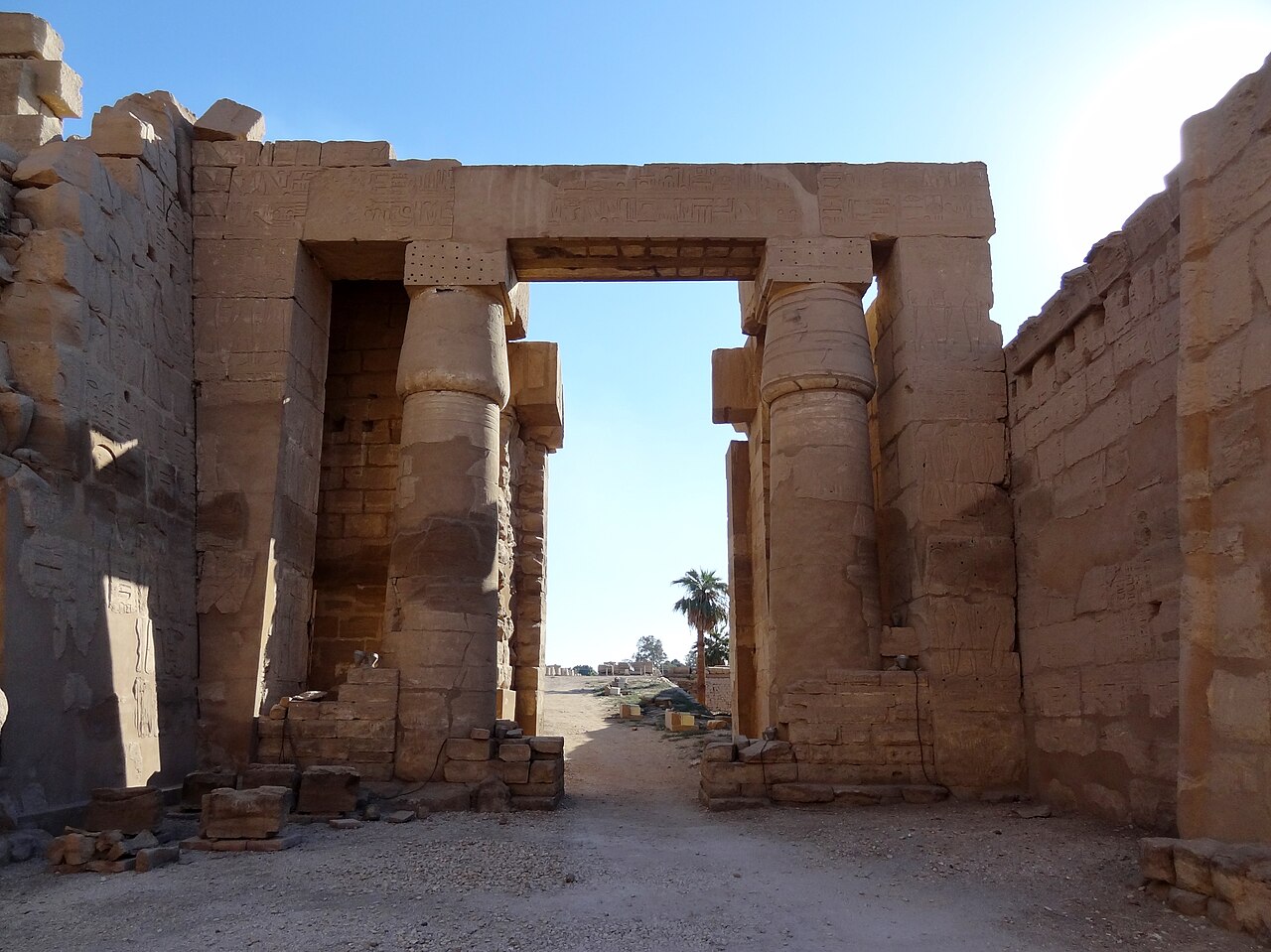

ശലോമോന്റെ മകനായ രെഹബെയാമിന്റെ അഞ്ചാം ആണ്ടിൽ ഈജിപ്തിലെ രാജാവായ ശീശക്ക് വന്ന് യെരൂശലേമിലെ ദൈവാലയത്തിലെയും കൊട്ടാരത്തിലെയും നിക്ഷേപങ്ങൾ എടുത്തുകൊണ്ടുപോയി എന്നു രാജാക്കന്മാരുടെ പുസ്തകം റിപ്പോർട്ട് ചെയ്യുന്നു. കർണാക്കിലെ ഒരു വലിയ ഭിത്തിയിൽ ഫറവോനായ ഷോഷെങ്ക് ഒന്നാമൻ (ബൈബിളിലെ ശീശക്ക്) ആ പടയോട്ടത്തെക്കുറിച്ചുള്ള സ്വന്തം രേഖ വിട്ടേച്ചുപോയി: ആമോൻ എന്ന ദേവൻ അവനു ബന്ധിതരായ അടിമപ്പട്ടണങ്ങളുടെ നിരകൾ ഏൽപ്പിക്കുന്നു, ഓരോന്നിലും ഒരു പലസ്തീൻ സ്ഥലനാമം രേഖപ്പെടുത്തിയിരിക്കുന്നു — നെഗെബ് മുതൽ വടക്കോട്ടു നീളുന്ന, നൂറിലധികം പേരുകൾ. ഷോഷെങ്ക് സ്ഥാപിച്ച ഒരു വിജയസ്മാരകത്തിന്റെ ഒരു തകർന്ന കഷണം മെഗിദ്ദോയുടെ അവശിഷ്ടങ്ങളിൽനിന്നുതന്നെ കുഴിച്ചെടുക്കപ്പെടുകയും ചെയ്തു.
- ഇത് എന്താണ്
- കർണാക്കിലെ ആരാധനാലയത്തിന്റെ ബുബാസ്റ്റൈറ്റ് കവാടത്തിലുള്ള ഒരു വിജയശില്പവും ഭൂപ്രദേശ പട്ടണപ്പട്ടികയും, കൂടാതെ മെഗിദ്ദോയിൽ കണ്ടെത്തിയ ഒരു വിജയസ്തംഭത്തിന്റെ ശകലവും
- വസ്തുവിന്റെ കാലം
- ഏകദേശം ക്രി.മു. 925
- കണ്ടെത്തിയത്
- കർണാക്, തീബ്സ്, ഈജിപ്ത് (ശില്പം); മെഗിദ്ദോ, ഇസ്രായേൽ (സ്തംഭശകലം), 1926 (ശില്പം ഏറെക്കാലമായി അറിയപ്പെട്ടിരുന്നു; മെഗിദ്ദോ ശകലം കണ്ടെത്തിയത് ഓറിയന്റൽ ഇൻസ്റ്റിറ്റ്യൂട്ടിന്റെ പര്യവേഷണസംഘം)
- ഇപ്പോൾ എവിടെ
- ശില്പം കർണാക്കിൽ സ്ഥലത്തുതന്നെ; മെഗിദ്ദോ ശകലം മ്യൂസിയം ശേഖരങ്ങളിൽ
- ബന്ധപ്പെട്ടത്
- രെഹബെയാമിന്റെ ഭരണകാലത്ത് ഫറവോനായ ശീശക്ക് യെഹൂദയെ ആക്രമിച്ചത്
- തിരുവെഴുത്ത്
- 1 രാജാക്കന്മാർ 14:25–26 · 2 ദിനവൃത്താന്തം 12:1–9
ഈ കണ്ടെത്തൽ കാണിക്കുന്നത്ഷോഷെങ്ക് ഒന്നാമൻ എന്ന ഒരു ഈജിപ്ഷ്യൻ ഫറവോൻ ഏകദേശം ക്രി.മു. 925-ൽ ഇസ്രായേലിലും യെഹൂദയിലും ഉടനീളം പടയോട്ടം നടത്തി — രാജാക്കന്മാരുടെ പുസ്തകം രെഹബെയാമിന്റെ ഭരണകാലത്തു വയ്ക്കുന്ന അതേ രാജാവിനെയും അതേ ആക്രമണത്തെയും കുറിച്ചുള്ള സ്വതന്ത്രമായ ഒരു ഈജിപ്ഷ്യൻ രേഖ; ഇതു വിഭജിത രാജവാഴ്ചയുടെ കാലഗണനയ്ക്ക് ഉറച്ച അടിസ്ഥാനം നൽകുന്നു.
ഇതു തെളിയിക്കാത്തത്ഷോഷെങ്കിന്റെ ഇന്നു ശേഷിക്കുന്ന പട്ടിക യെരൂശലേമിനെ പേരെടുത്തു പറയുന്നില്ല; അതിനാൽ ദൈവാലയം കൊള്ളയടിച്ചതിന്റെ വിശദാംശം ബൈബിൾ വിവരണത്തെ മാത്രം ആശ്രയിക്കുന്നു; രണ്ടു രേഖകളും പടയോട്ടത്തിന്റെ തലത്തിൽ ഒന്നിക്കുന്നു, ഓരോ വിശദാംശത്തിലുമല്ല.
സ്രോതസ്സുകളും കൂടുതൽ വായനയും