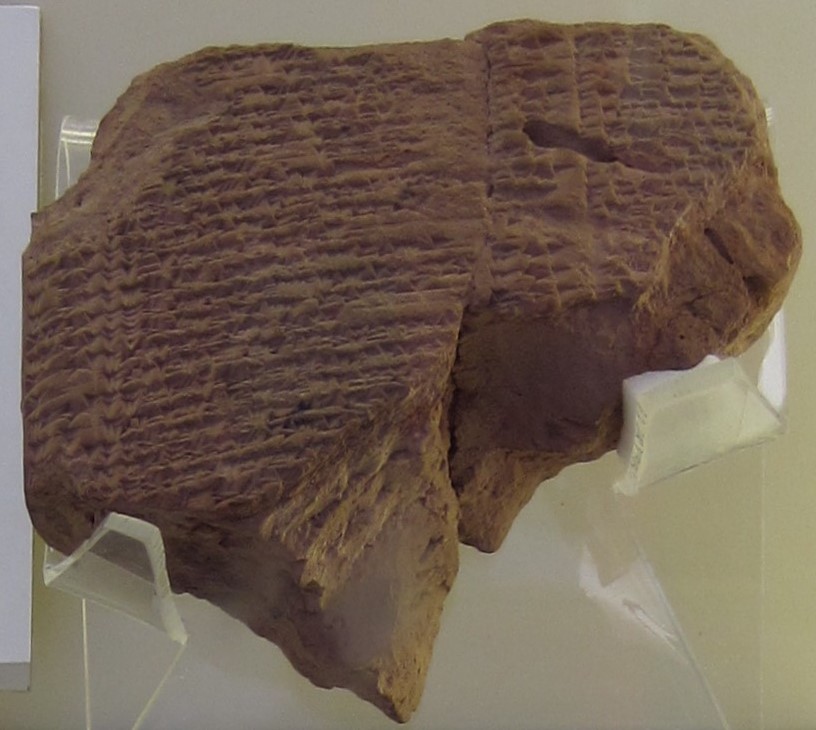

വിചിത്രവും ശാന്തവുമായ ഒരു കരുണയോടെയാണ് രാജാക്കന്മാരുടെ പുസ്തകം അവസാനിക്കുന്നത്: പതിറ്റാണ്ടുകളായി തടവുകാരനായിരുന്ന പ്രവാസി യെഹോയാഖീന് ബാബിലോണിയൻ രാജാവിന്റെ മേശയിൽ ഒരു ഇരിപ്പിടവും സ്ഥിരമായ ഒരു വിഹിതവും ലഭിക്കുന്നു. ബാബേലിന്റെ സ്വന്തം കൊട്ടാര കണക്കുകളിൽ, 'യെഹൂദാദേശത്തിന്റെ രാജാവായ യൗക്കിന്' അവന്റെ അഞ്ചു പുത്രന്മാർക്കും എള്ളെണ്ണ വിതരണം ചെയ്തത് ഗുമസ്തന്മാർ രേഖപ്പെടുത്തി. ഇനി ഒരിക്കലും വായിക്കപ്പെടാൻ ഉദ്ദേശിക്കാത്ത ഓഫീസ് കടലാസുപണി, പ്രവാസത്തിലുള്ള ദാവീദിന്റെ ഗൃഹത്തെക്കുറിച്ചുള്ള ബൈബിളിന്റെ അവസാന ഖണ്ഡികയോടു യോജിക്കുന്നു.
- ഇത് എന്താണ്
- രാജകൊട്ടാരത്തെ ആശ്രയിച്ചു കഴിഞ്ഞിരുന്ന, പേരെടുത്തു പറയുന്ന വ്യക്തികൾക്കുള്ള എണ്ണ വിഹിതങ്ങൾ പട്ടികപ്പെടുത്തുന്ന ബാബിലോണിയൻ കൊട്ടാര കണക്കുഫലകങ്ങൾ
- വസ്തുവിന്റെ കാലം
- ഏകദേശം ക്രി.മു. 592
- കണ്ടെത്തിയത്
- ഇഷ്താർ കവാടത്തിനടുത്തുള്ള കമാനാകൃതിയിലുള്ള ഒരു സംഭരണമുറി, ബാബേൽ, 1900 (റോബർട്ട് കോൾഡെവെയുടെ ഖനനം (പതിറ്റാണ്ടുകൾക്കു ശേഷം പ്രസിദ്ധീകരിച്ചു))
- ഇപ്പോൾ എവിടെ
- ഫോർഡെറാസിയാറ്റിഷെസ് മ്യൂസിയം (പെർഗമോൺ മ്യൂസിയം), ബെർലിൻ
- ബന്ധപ്പെട്ടത്
- ബാബിലോണിയൻ രാജസദസ്സിൽ പാർപ്പിച്ചിരുന്ന, പ്രവാസിയായ യെഹൂദാരാജാവ് യെഹോയാഖീൻ
- തിരുവെഴുത്ത്
- 2 രാജാക്കന്മാർ 25:27–30 · യിരെമ്യാവ് 52:31–34
ഈ കണ്ടെത്തൽ കാണിക്കുന്നത്യെഹോയാഖീൻ ബാബേലിൽ അംഗീകൃതനും ചെലവിനു ലഭിക്കുന്നവനുമായ ഒരു രാജകീയ വ്യക്തിയായി ജീവിച്ചു — അപ്പോഴും 'യെഹൂദയുടെ രാജാവ്' എന്ന സ്ഥാനപ്പേരോടെ — 2 രാജാക്കന്മാരുടെ അവസാനം വിവരിക്കുന്നതുപോലെതന്നെ.
ഇതു തെളിയിക്കാത്തത്തടവിൽനിന്ന് അവൻ മോചിതനാകുന്നതിനു മുമ്പുള്ളവയാണ് ഈ ഫലകങ്ങൾ; അതിനാൽ അവ രേഖപ്പെടുത്തുന്നത് അവന്റെ സംരക്ഷണമാണ്, എവീൽ-മെരോദക്കിന്റെ കീഴിൽ ബൈബിൾ റിപ്പോർട്ട് ചെയ്യുന്ന പിൽക്കാല ഉയർച്ചയല്ല.
സ്രോതസ്സുകളും കൂടുതൽ വായനയും