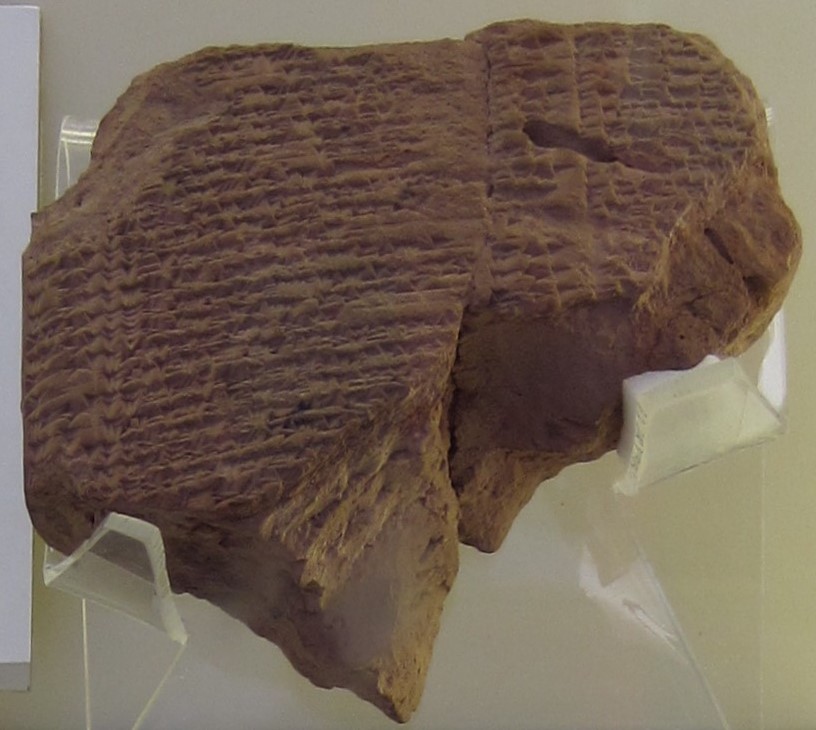

ಅರಸುಗಳು ಗ್ರಂಥವು ಒಂದು ವಿಚಿತ್ರವಾದ, ಶಾಂತವಾದ ಕರುಣೆಯೊಂದಿಗೆ ಮುಗಿಯುತ್ತದೆ: ದಶಕಗಳ ಕಾಲ ಕೈದಿಯಾಗಿದ್ದ ಸೆರೆಯ ಯೆಹೋಯಾಖೀನನಿಗೆ ಬಾಬೆಲಿನ ಅರಸನ ಊಟದ ಮೇಜಿನಲ್ಲಿ ಸ್ಥಾನವೂ ನಿಯತ ಭತ್ಯೆಯೂ ಕೊಡಲ್ಪಡುತ್ತವೆ. ಬಾಬೆಲಿನ ಸ್ವಂತ ಅರಮನೆಯ ಲೆಕ್ಕಗಳಲ್ಲಿ, ಗುಮಾಸ್ತರು “ಯೆಹೂದ ದೇಶದ ಅರಸನಾದ ಯಾವುಕಿನ್ಗೆ” ಮತ್ತು ಅವನ ಐದು ಮಕ್ಕಳಿಗೆ ಎಳ್ಳೆಣ್ಣೆ ಕೊಟ್ಟದ್ದನ್ನು ದಾಖಲಿಸಿದರು. ಮತ್ತೆ ಎಂದಿಗೂ ಓದಲ್ಪಡುವ ಉದ್ದೇಶವಿಲ್ಲದ ಕಚೇರಿ ಕಾಗದಪತ್ರಗಳು, ಸೆರೆಯಲ್ಲಿದ್ದ ದಾವೀದನ ಮನೆತನದ ಬಗ್ಗೆ ಬೈಬಲ್ನ ಕೊನೆಯ ಪ್ಯಾರಾದೊಂದಿಗೆ ಹೊಂದಿಕೆಯಾಗುತ್ತವೆ.
- ಇದು ಏನು
- ರಾಜಾಶ್ರಿತರಾದ, ಹೆಸರಿಸಲ್ಪಟ್ಟ ವ್ಯಕ್ತಿಗಳಿಗೆ ಕೊಟ್ಟ ಎಣ್ಣೆಯ ಪಡಿತರಗಳನ್ನು ಪಟ್ಟಿಮಾಡುವ ಬಾಬಿಲೋನಿಯನ್ ಅರಮನೆಯ ಲೆಕ್ಕಪತ್ರ ಫಲಕಗಳು
- ವಸ್ತುವಿನ ಕಾಲ
- ಸು. ಕ್ರಿ.ಪೂ. 592
- ಪತ್ತೆಯಾದದ್ದು
- ಇಷ್ಟಾರ್ ಹೆಬ್ಬಾಗಿಲಿನ ಬಳಿಯ ಕಮಾನು ಚಾವಣಿಯ ಉಗ್ರಾಣ, ಬಾಬೆಲ್, 1900 (ರಾಬರ್ಟ್ ಕೋಲ್ಡೆವೈ ಅವರ ಉತ್ಖನನ (ದಶಕಗಳ ನಂತರ ಪ್ರಕಟ))
- ಈಗ ಎಲ್ಲಿದೆ
- ಫೋರ್ಡರ್ಏಸಿಯಾಟಿಶೆಸ್ ವಸ್ತುಸಂಗ್ರಹಾಲಯ (ಪೆರ್ಗಮಾನ್ ವಸ್ತುಸಂಗ್ರಹಾಲಯ), ಬರ್ಲಿನ್
- ಸಂಬಂಧಿಸಿರುವುದು
- ಬಾಬಿಲೋನಿಯನ್ ಆಸ್ಥಾನದಲ್ಲಿ ಇರಿಸಲ್ಪಟ್ಟಿದ್ದ, ಸೆರೆಗೆ ಒಯ್ಯಲ್ಪಟ್ಟ ಯೆಹೂದದ ಅರಸನಾದ ಯೆಹೋಯಾಖೀನ
- ಶಾಸ್ತ್ರಗ್ರಂಥ
- 2 ಅರಸುಗಳು 25:27–30 · ಯೆರೆಮೀಯನು 52:31–34
ಈ ಶೋಧವು ತೋರಿಸುವುದುಯೆಹೋಯಾಖೀನನು ಬಾಬೆಲಿನಲ್ಲಿ ಮಾನ್ಯತೆ ಪಡೆದ, ಪೋಷಣೆ ಪಡೆಯುತ್ತಿದ್ದ ರಾಜವ್ಯಕ್ತಿಯಾಗಿ ಬದುಕಿದನು — ಇನ್ನೂ “ಯೆಹೂದದ ಅರಸ” ಎಂಬ ಬಿರುದಿನೊಂದಿಗೆ — 2 ಅರಸುಗಳ ಕೊನೆಯ ಭಾಗ ವರ್ಣಿಸುವಂತೆಯೇ ನಿಖರವಾಗಿ.
ಇದು ರುಜುವಾತುಪಡಿಸದಿರುವುದುಈ ಫಲಕಗಳು ಅವನು ಬಂಧನದಿಂದ ಬಿಡುಗಡೆಯಾಗುವುದಕ್ಕಿಂತ ಹಿಂದಿನವು, ಆದ್ದರಿಂದ ಅವು ಅವನ ಪೋಷಣೆಯನ್ನು ದಾಖಲಿಸುತ್ತವೆ, ಎವೀಲ್ಮೆರೋದಕನ ಕಾಲದಲ್ಲಿ ಬೈಬಲ್ ವರದಿ ಮಾಡುವ ನಂತರದ ಉನ್ನತಿಯನ್ನಲ್ಲ.
ಮೂಲಗಳು ಮತ್ತು ಹೆಚ್ಚಿನ ಓದು