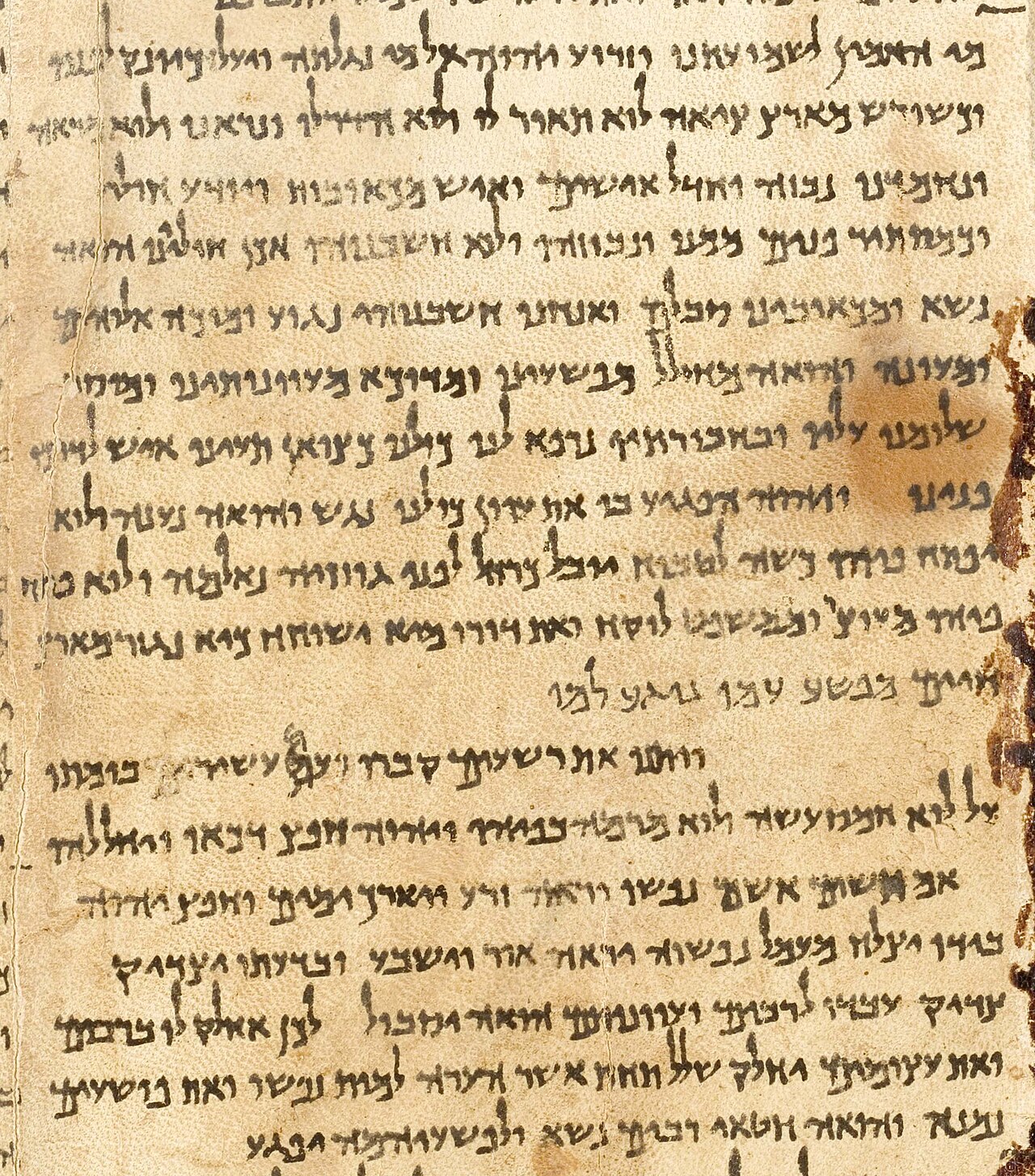

1947 വരെ, യെശയ്യാവിന്റെ ഏറ്റവും പഴക്കമുള്ള സമ്പൂർണ എബ്രായ കൈയെഴുത്തുപ്രതികൾ ഏകദേശം ക്രി.വ. 1000-ത്തിലേതായിരുന്നു. അപ്പോൾ ഒരു ഇടയൻ ഒരു പാറക്കെട്ടിലെ ഗുഹയിലേക്ക് എറിഞ്ഞ കല്ല്, ആയിരം വർഷം കൂടുതൽ പഴക്കമുള്ള ഒരു ചുരുൾ സൂക്ഷിച്ചിരുന്ന മൺഭരണിയെ പൊട്ടിച്ചു. മധ്യകാല പാഠത്തിനരികെ വച്ചപ്പോൾ അത് അമ്പരപ്പിക്കുംവിധം പരിചിതമായിരുന്നു: വ്യത്യാസങ്ങൾ ബഹുഭൂരിപക്ഷവും അക്ഷരവിന്യാസത്തിലും ചെറിയ പദഭേദങ്ങളിലുമാണ്; അർഥത്തെ ബാധിക്കുന്നവ മിക്കവാറും ഇല്ല. ആയിരം വർഷത്തെ കൈപ്പകർപ്പിലൂടെ ഒരു പുസ്തകം സാരാംശത്തിൽ കേടുകൂടാതെ കടന്നുവന്നിരുന്നു.
- ഇത് എന്താണ്
- തുന്നിച്ചേർത്ത 17 തുകൽത്താളുകളിൽ, 7 മീറ്ററിലധികം നീളമുള്ള, യെശയ്യാ പുസ്തകത്തിന്റെ സമ്പൂർണ എബ്രായ ചുരുൾ
- വസ്തുവിന്റെ കാലം
- ഏകദേശം ക്രി.മു. 125
- കണ്ടെത്തിയത്
- ചാവുകടലിനടുത്ത് കുമ്രാനിലെ ഒന്നാം ഗുഹ, 1947 (ബെദൂയിൻ ഇടയന്മാർ; ഗുഹകൾ പിന്നീട് ക്രമമായി ഖനനം ചെയ്യപ്പെട്ടു)
- ഇപ്പോൾ എവിടെ
- ഷ്രൈൻ ഓഫ് ദ ബുക്ക്, ഇസ്രായേൽ മ്യൂസിയം, യെരൂശലേം
- ബന്ധപ്പെട്ടത്
- ആയിരം വർഷങ്ങളിലൂടെ എബ്രായ ബൈബിളിന്റെ പാഠം എത്ര വിശ്വസ്തമായി പകർത്തപ്പെട്ടു എന്നത്
- തിരുവെഴുത്ത്
- യെശയ്യാവ് 1–66
ഈ കണ്ടെത്തൽ കാണിക്കുന്നത്ഇന്നു വായിക്കുന്ന യെശയ്യാ പാഠം, യേശുവിന്റെ കാലത്തിനു മുമ്പു വായിച്ചിരുന്ന പാഠം തന്നെയാണ് ഏറെക്കുറെ — എബ്രായ ബൈബിളിന്റെ പകർപ്പെഴുത്തുകാരുടെ കൈമാറ്റം അസാധാരണമാംവിധം സൂക്ഷ്മമായിരുന്നു.
ഇതു തെളിയിക്കാത്തത്വിശ്വസ്തമായ പകർപ്പെഴുത്ത്, യെശയ്യാവ് എപ്പോൾ രചിക്കപ്പെട്ടു എന്നതിനെക്കുറിച്ചോ അതിലെ പ്രവചനങ്ങൾ സത്യമാണോ എന്നതിനെക്കുറിച്ചോ ഒന്നും പറയുന്നില്ല; കൂടാതെ കുമ്രാൻ ഗ്രന്ഥശേഖരം മൊത്തത്തിൽ, ചില ബൈബിൾ പുസ്തകങ്ങൾ വ്യത്യസ്ത പതിപ്പുകളിൽ പ്രചരിച്ചിരുന്നതായും കാണിക്കുന്നു.
സ്രോതസ്സുകളും കൂടുതൽ വായനയും