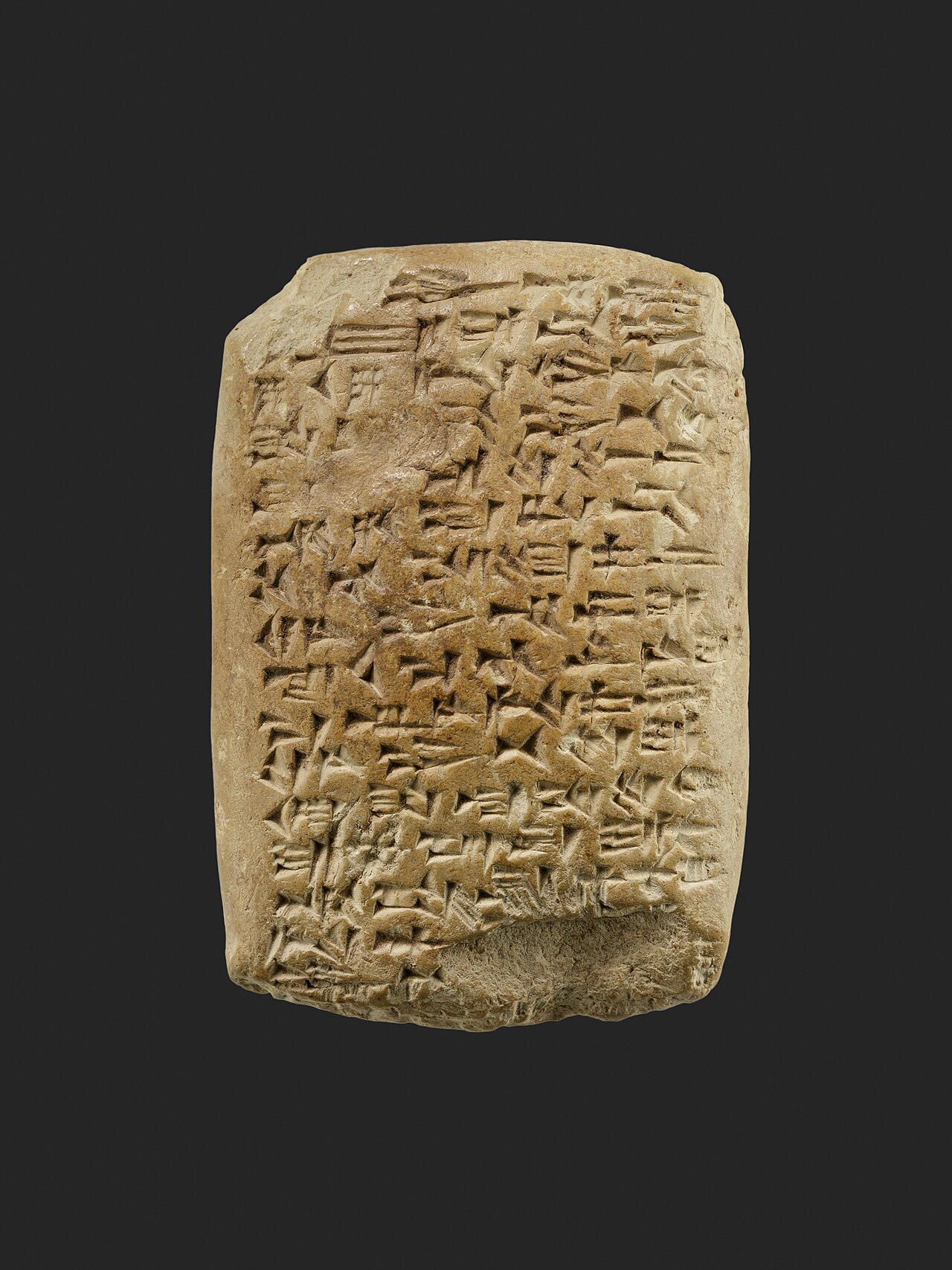

ഈജിപ്തിലേക്ക് എഴുതുന്ന കനാനിലെ ചെറുരാജാക്കന്മാരുടെ കത്തുകൾ വായിക്കാൻ ഇവ നമ്മെ അനുവദിക്കുന്നു; കൊള്ളക്കാർക്കും എതിരാളികൾക്കുമെതിരെ ഫറവോന്റെ സഹായം യാചിക്കുന്ന, പരസ്പരം പോരടിക്കുന്ന നഗരരാഷ്ട്രങ്ങളുടെ ഒരു ദേശത്തെ അവ ചിത്രീകരിക്കുന്നു — കത്തുകൾ ʿഅപിരു എന്നു വിളിക്കുന്ന കുഴപ്പക്കാർ ഉൾപ്പെടെ. ഇസ്രായേൽ രംഗത്തു പ്രത്യക്ഷപ്പെടുന്നതിനു മുമ്പുള്ള ഏകദേശം ഒരു നൂറ്റാണ്ടിലെ കനാനിന്റെ രാഷ്ട്രീയ കാലാവസ്ഥയാണിത്; ബൈബിളിലെ കുടിയേറ്റത്തിന് അമൂല്യമായ ഒരു പശ്ചാത്തലം.
- ഇത് എന്താണ്
- ഏകദേശം 380 കളിമൺ ഫലകങ്ങളുടെ ഒരു ലേഖനശാല — ഈജിപ്തും കനാനിലെ രാജാക്കന്മാരും നഗരഭരണാധികാരികളും തമ്മിൽ അക്കാദിയൻ ക്യൂണിഫോം ലിപിയിലുള്ള നയതന്ത്ര കത്തുകൾ
- വസ്തുവിന്റെ കാലം
- ക്രി.മു. 14-ാം നൂറ്റാണ്ട്
- കണ്ടെത്തിയത്
- ടെൽ എൽ-അമർന (പ്രാചീന അഖെതാതെൻ), മധ്യ ഈജിപ്ത്, 1887 (ഒരു പ്രാദേശിക ഗ്രാമീണൻ കണ്ടെത്തി; പിന്നീട് ഖനനം ചെയ്തു)
- ഇപ്പോൾ എവിടെ
- ബ്രിട്ടീഷ് മ്യൂസിയം, ബെർലിൻ, കെയ്റോ
- ബന്ധപ്പെട്ടത്
- ഇസ്രായേൽ ഉദയം ചെയ്യുന്നതിനു തൊട്ടുമുമ്പുള്ള, അവസാന വെങ്കലയുഗത്തിലെ പ്രക്ഷുബ്ധമായ കനാൻ
- തിരുവെഴുത്ത്
- യോശുവ–ന്യായാധിപന്മാർ (കുടിയേറ്റ കാലഘട്ടം)
ഈ കണ്ടെത്തൽ കാണിക്കുന്നത്അവസാന വെങ്കലയുഗ കനാനിലെ, നഗരംതോറും ഛിന്നഭിന്നമായ രാഷ്ട്രീയ ഭൂപ്രകൃതി — യോശുവയുടെയും ന്യായാധിപന്മാരുടെയും പുസ്തകങ്ങൾ മുൻകൂട്ടി കരുതുന്ന അതേ സാഹചര്യങ്ങൾ.
ഇതു തെളിയിക്കാത്തത്കത്തുകൾ ഒരിക്കലും ഇസ്രായേലിനെയോ ദേശം പിടിച്ചടക്കലിനെയോ പരാമർശിക്കുന്നില്ല.
തർക്കവിഷയം: “ʿഅപിരു = എബ്രായർ” എന്ന പഴയ ജനപ്രിയ സമവാക്യം മുഖ്യധാരാ പണ്ഡിതത്വം തള്ളിക്കളയുന്നു: ʿഅപിരു എന്നതു നിയമഭ്രഷ്ടർ, കൂലിപ്പട്ടാളക്കാർ, കുടിയിറക്കപ്പെട്ടവർ എന്നിവർക്കുള്ള വിശാലമായ ഒരു സാമൂഹിക മുദ്രയായിരുന്നു, ഒരു വംശീയ പദമല്ല. കത്തുകൾ പശ്ചാത്തലമാണ്, ഇസ്രായേല്യരുടെ രേഖയല്ല.
സ്രോതസ്സുകളും കൂടുതൽ വായനയും