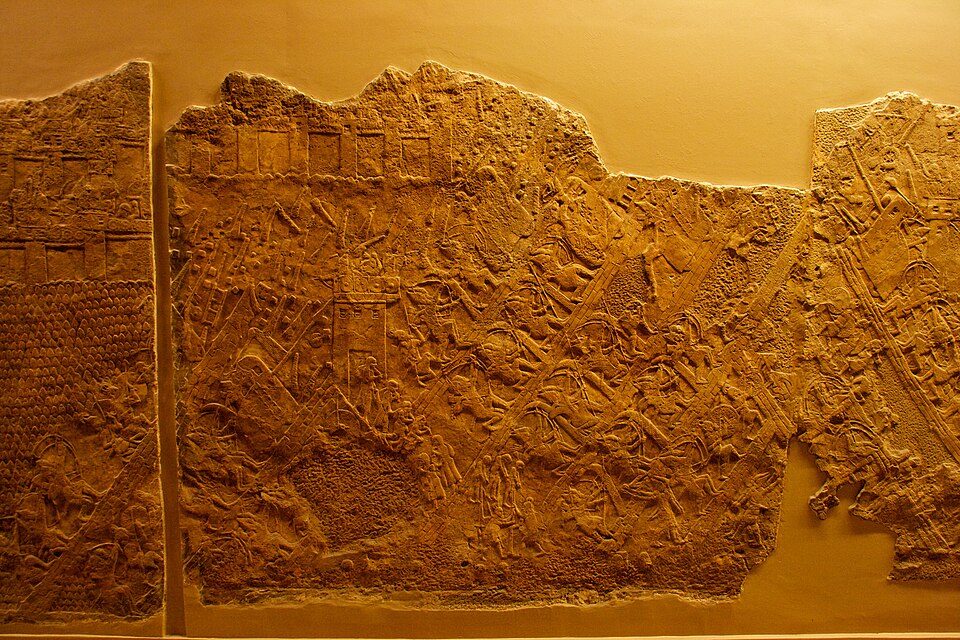

ಸನ್ಹೇರೀಬನು ತನ್ನ ಅರಮನೆಯ ಇಡೀ ಒಂದು ಕೋಣೆಯನ್ನು ಒಂದೇ ಯೆಹೂದ್ಯ ನಗರದ ಮೇಲಿನ ಆಕ್ರಮಣದ ಚಿತ್ರಗಳಿಂದ ಅಲಂಕರಿಸಿದನು: ಮುತ್ತಿಗೆ-ದಿಬ್ಬಗಳು, ಗೋಡೆ ಒಡೆಯುವ ಯಂತ್ರಗಳು, ಬಿಲ್ಲುಗಾರರು, ಸೆರೆಗೆ ಅಟ್ಟಲ್ಪಟ್ಟ ಕುಟುಂಬಗಳು, ಚರ್ಮ ಸುಲಿಯಲ್ಪಟ್ಟ ಮತ್ತು ಶೂಲಕ್ಕೇರಿಸಲ್ಪಟ್ಟ ಕೈದಿಗಳು, ಮತ್ತು ಸಿಂಹಾಸನದ ಮೇಲೆ ಕುಳಿತು ಕೊಳ್ಳೆಯನ್ನು ಪರಿಶೀಲಿಸುತ್ತಿರುವ ಅರಸನು ಸ್ವತಃ. ಬೈಬಲ್ ಲಾಕೀಷಿನ ಪತನಕ್ಕೆ ಅರ್ಧ ವಾಕ್ಯವನ್ನು ಮಾತ್ರ ಕೊಡುತ್ತದೆ. ಉತ್ಖನನಗೊಂಡ ನಗರದಿಬ್ಬವು ಅದೇ ಕಥೆಯನ್ನು ಕೆಳಗಿನಿಂದ ಹೇಳುತ್ತದೆ — ಅಶ್ಶೂರ್ಯರ ಮುತ್ತಿಗೆ-ದಿಬ್ಬ, ಯೆಹೂದ್ಯರ ಪ್ರತಿ-ದಿಬ್ಬ, ನೂರಾರು ಬಾಣದ ಮೊನೆಗಳು ಮತ್ತು ಕವಣೆಕಲ್ಲುಗಳು, ಮತ್ತು ಸಾಮೂಹಿಕ ಸಮಾಧಿಗಳು.
- ಇದು ಏನು
- ಸನ್ಹೇರೀಬನ ಅರಮನೆಯಿಂದ ಬಂದ, ಸುಮಾರು 27 ಮೀಟರ್ ಉದ್ದದ ಕೆತ್ತಿದ ಅಲಬಾಸ್ಟರ್ ಗೋಡೆ-ಫಲಕಗಳು
- ವಸ್ತುವಿನ ಕಾಲ
- ಸು. ಕ್ರಿ.ಪೂ. 700–681
- ಪತ್ತೆಯಾದದ್ದು
- ಸನ್ಹೇರೀಬನ “ಪ್ರತಿಸ್ಪರ್ಧಿಯಿಲ್ಲದ ಅರಮನೆ,” ನಿನೆವೆ, ಇರಾಕ್, 1847 (ಆಸ್ಟೆನ್ ಹೆನ್ರಿ ಲೇಯಾರ್ಡ್)
- ಈಗ ಎಲ್ಲಿದೆ
- ಬ್ರಿಟಿಷ್ ವಸ್ತುಸಂಗ್ರಹಾಲಯ, ಲಂಡನ್
- ಸಂಬಂಧಿಸಿರುವುದು
- ಕ್ರಿ.ಪೂ. 701ರಲ್ಲಿ ಯೆಹೂದದ ಎರಡನೇ ಪ್ರಮುಖ ನಗರವಾದ ಲಾಕೀಷಿನ ಮೇಲೆ ಅಶ್ಶೂರ್ಯರ ಮುತ್ತಿಗೆ ಮತ್ತು ವಶಪಡಿಸಿಕೊಳ್ಳುವಿಕೆ
- ಶಾಸ್ತ್ರಗ್ರಂಥ
- 2 ಅರಸುಗಳು 18:13–14 · 2 ಪೂರ್ವಕಾಲವೃತ್ತಾಂತ 32:9
ಈ ಶೋಧವು ತೋರಿಸುವುದುಕ್ರಿ.ಪೂ. 701ರ ದಂಡಯಾತ್ರೆಯು ಮೂರೂ ಸಾಕ್ಷಿಗಳು — ಅಶ್ಶೂರ್ಯ ಕಲೆ, ಬೈಬಲ್ ಮತ್ತು ಉತ್ಖನನ ಸ್ವತಃ — ಸ್ವತಂತ್ರವಾಗಿ ವರ್ಣಿಸುವಂತೆಯೇ ಮೂಲತಃ ನಡೆಯಿತು; ಇದು ಪ್ರಾಚೀನ ಜಗತ್ತಿನ ಅತ್ಯುತ್ತಮವಾಗಿ ದಾಖಲಾದ ಯುದ್ಧಗಳಲ್ಲಿ ಒಂದು.
ಇದು ರುಜುವಾತುಪಡಿಸದಿರುವುದುಅಶ್ಶೂರ್ಯ ಅರಮನೆಯ ಕಲೆ ಸಾಮ್ರಾಜ್ಯಶಾಹಿ ಪ್ರಚಾರ; ಅದರ ವೈಭವೀಕರಿಸುವ ಧಾಟಿಯೂ, ಅದರ ಪೂರ್ಣಾಂಕ ಸಂಖ್ಯೆಗಳಂತೆಯೇ, ಅರಸನ ಹಿತವನ್ನು ಸಾಧಿಸುತ್ತದೆ. ಇದು ಘಟನೆಯನ್ನು ದೃಢಪಡಿಸುತ್ತದೆ, ಅದರ ಬಗ್ಗೆ ಯಾವುದೇ ಪಕ್ಷ ಮಾಡಿದ ಪ್ರತಿಯೊಂದು ಹೇಳಿಕೆಯನ್ನಲ್ಲ.
ಮೂಲಗಳು ಮತ್ತು ಹೆಚ್ಚಿನ ಓದು