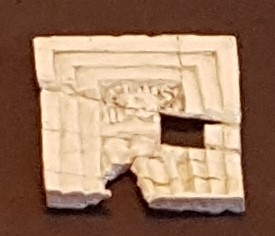

Two very different finds from the same royal hilltop illuminate the northern kingdom the Bible describes. The ostraca are receipts for shipments of wine and oil to the crown — the paperwork of a real tax bureaucracy, with names carrying the distinctively northern “-yaw” ending. The ivories are exquisite Phoenician-style inlays that once sheathed palace furniture: the literal remains of the “house of ivory” Kings credits to Ahab and the “beds of ivory” Amos rebukes.
- What it is
- From the royal acropolis of Israel's capital: 63 Hebrew ink ostraca (tax dockets) and a hoard of over 200 carved ivory furniture inlays
- Date of artifact
- 9th–8th century BC
- Discovered
- the palace acropolis at Samaria (the Harvard and Joint expeditions)
- Where it is now
- Israel and museum collections
- Related to
- The wealth and administration of the northern kingdom — Ahab's “house of ivory”
- Scripture
- 1 Kings 22:39 · Amos 3:15 · Amos 6:4
What this find showsA functioning royal administration at Samaria and the conspicuous ivory-adorned luxury the prophets condemned — the material reality behind Kings and Amos.
What it does not proveNeither the dockets nor the ivories name a specific biblical king; the ivories were imported, and their exact date within two centuries can't be fixed.
Contested: The precise reign the ostraca belong to is unsettled (proposals run from Ahab to Menahem), and the tempting “Ahab and Jezebel” label on the ivories is an inference, not a proof.
Sources & further reading