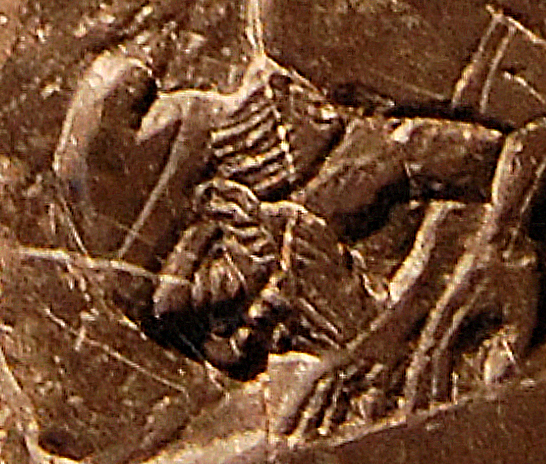

ഈ സ്മാരകത്തിലെ ഒരു ഫലകം, ശല്മനേസെർ മൂന്നാമന്റെ മുമ്പിൽ കൈമുട്ടുകുത്തി കിടക്കുന്ന ഒരു ലെവന്റ് രാജാവിനെ കാണിക്കുന്നു; അവന്റെ പിന്നിൽ ഭൃത്യന്മാർ കപ്പം ചുമക്കുന്നു. അടിക്കുറിപ്പ് അവനെ 'ഒമ്രിഗൃഹത്തിലെ' യേഹൂ എന്നു പേരെടുത്തു പറയുന്നു — ഇസ്രായേലിലെ ഏതു രാജാവിനെയും സൂചിപ്പിക്കാനുള്ള അശ്ശൂര്യ ചുരുക്കെഴുത്ത്, യേഹൂ യഥാർഥത്തിൽ ഒമ്രിയുടെ വംശത്തെ നിർമ്മൂലമാക്കിയിരുന്നെങ്കിലും. ഇസ്രായേലിലെയോ യെഹൂദയിലെയോ ഏതെങ്കിലും രാജാവുമായി ബന്ധപ്പെട്ട, ഇന്നു ശേഷിക്കുന്ന ഏക സമകാലിക ചിത്രം ഇതാണ് — യേഹൂവിന്റെ ജീവിതകാലത്തുതന്നെ നിർമ്മിച്ചത്.
- ഇത് എന്താണ്
- ശില്പഫലകങ്ങളും ക്യൂണിഫോം അടിക്കുറിപ്പുകളുമുള്ള നാലുവശങ്ങളുള്ള കറുത്ത ചുണ്ണാമ്പുകൽ സ്തൂപം
- വസ്തുവിന്റെ കാലം
- ഏകദേശം ക്രി.മു. 825
- കണ്ടെത്തിയത്
- നിമ്രൂദ് (പ്രാചീന കാൽഹു), ഇറാഖ്, 1846 (ഓസ്റ്റെൻ ഹെൻറി ലെയാർഡ്)
- ഇപ്പോൾ എവിടെ
- ബ്രിട്ടീഷ് മ്യൂസിയം, ലണ്ടൻ
- ബന്ധപ്പെട്ടത്
- അശ്ശൂരിനു മുമ്പിൽ കുമ്പിട്ടു കപ്പം കൊടുക്കുന്നതായി കാണിച്ചിരിക്കുന്ന ഇസ്രായേൽ രാജാവായ യേഹൂ
- തിരുവെഴുത്ത്
- 2 രാജാക്കന്മാർ 9–10
ഈ കണ്ടെത്തൽ കാണിക്കുന്നത്ഏകദേശം ക്രി.മു. 840-നോടടുത്ത കാലത്ത് യേഹൂ ഇസ്രായേലിന്റെ ഒരു യഥാർഥ രാജാവായിരുന്നു, അശ്ശൂരിനു കപ്പം കൊടുക്കുന്ന ഒരു സാമന്തനായിത്തീർന്നു — ബൈബിൾതന്നെ ഒരിക്കലും രേഖപ്പെടുത്താത്ത ഒരു രാഷ്ട്രീയ അപമാനം.
ഇതു തെളിയിക്കാത്തത്മുട്ടുകുത്തിയിരിക്കുന്ന രൂപം രാജാവു തന്നെയല്ല, യേഹൂവിന്റെ ദൂതനായിരിക്കാം; രാജാക്കന്മാരുടെ പുസ്തകം വിവരിക്കുന്ന യേഹൂവിന്റെ രക്തരൂഷിതമായ അട്ടിമറിയെക്കുറിച്ച് ഈ രംഗം ഒന്നും പറയുന്നില്ല.
സ്രോതസ്സുകളും കൂടുതൽ വായനയും