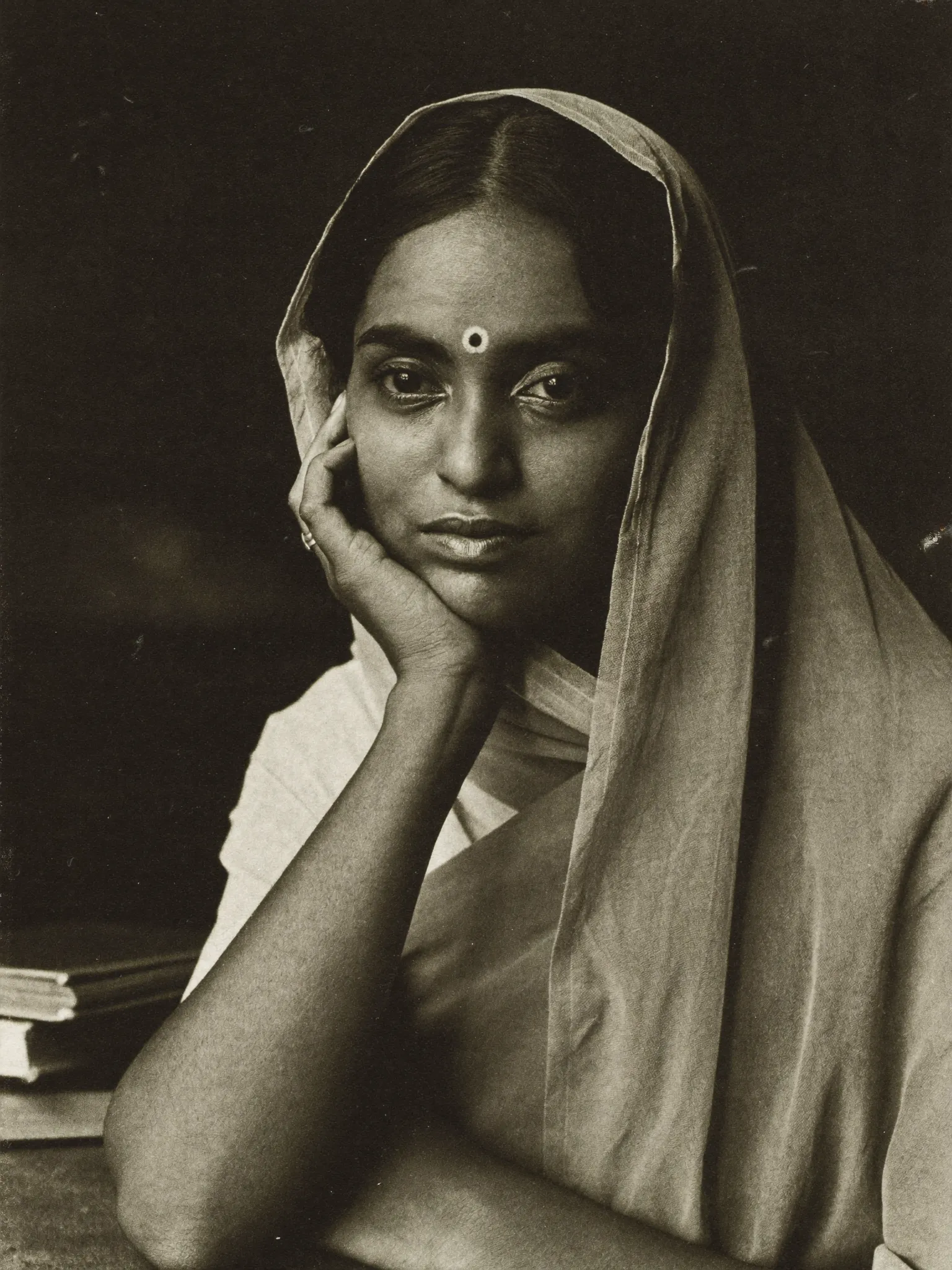
Mukti Mission (Kedgaon)
Ramabai was a rare thing in her century: a Sanskrit scholar so learned that India honoured her with the title Pandita, who then bent all of it toward the very women her society discarded. She came to Christ in 1883 while studying in England, and carried the faith home as practical rescue. In 1889 she opened a house and school for high-caste widows; when famine struck the central country in 1896 she went out into it and returned with more orphaned girls than her rooms could hold, and so began Mukti at Kedgaon. Out of that grew a settlement of more than a thousand — fields, a dairy, looms, workrooms — which she led until her death in 1922.
She used her learning the way a locksmith uses a master key — not to admire the lock, but to open the doors that had been shut on women like the ones she gathered in.
- A Sanskrit scholar honoured as Pandita who turned to Christ in 1883 and gave her life to India's widows and outcast women
- Opened Sarada Sadan, a home and school for high-caste widows, in 1889
- Founded the Mukti settlement at Kedgaon amid the 1896 famine, gathering rescued orphan girls
- Grew Mukti into a large self-supporting community of more than a thousand, leading it until her death in 1922
Sources: firth-indian-church-history p.195 · firth-indian-church-history p.196